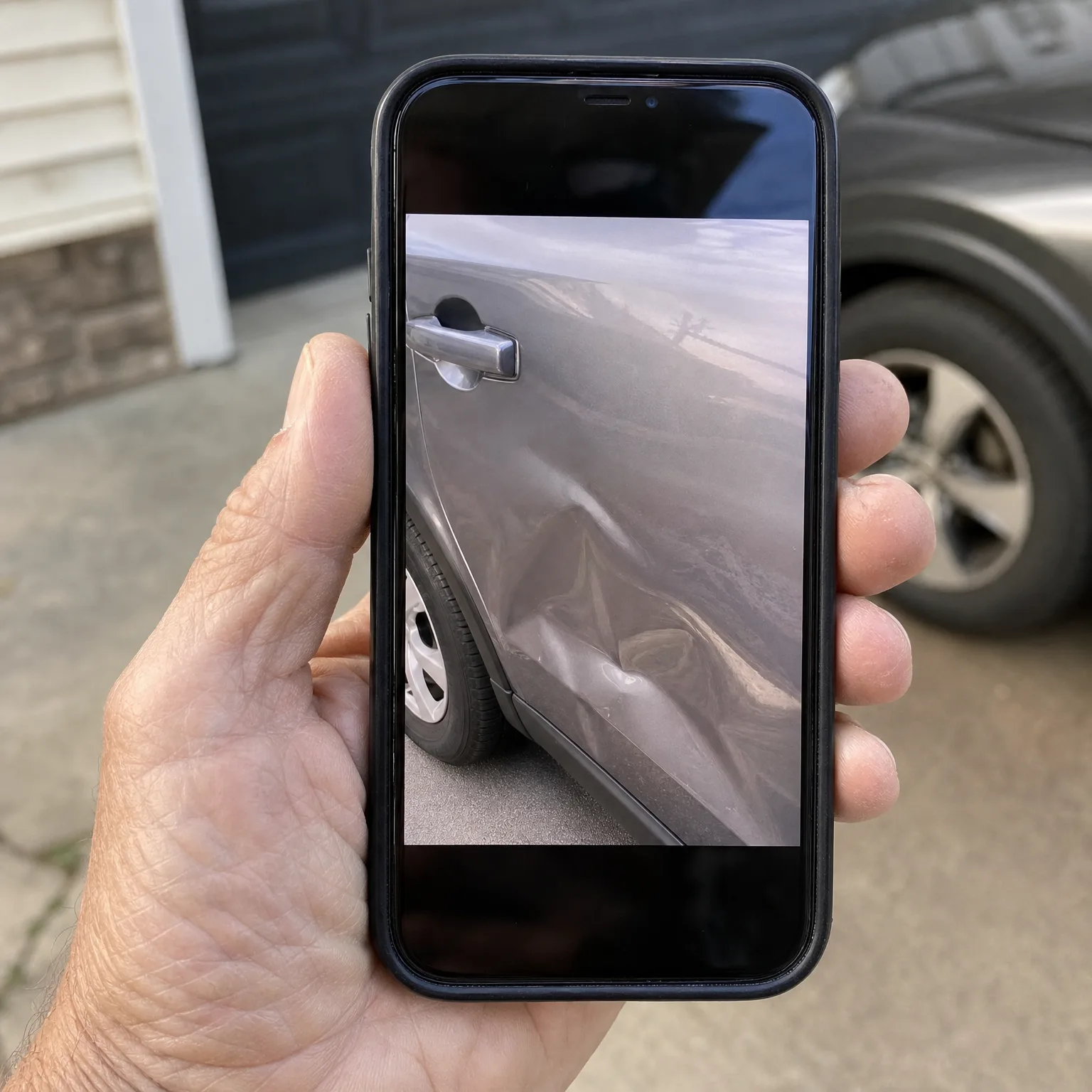
What Is a Good Comprehensive Deductible for Car Insurance
The right deductible depends on what you could afford to pay today, not on what other drivers chose.
It depends on your savings and your car's value, not a fixed number
There isn't one deductible that's right for every driver. A good comprehensive deductible is one you could pay in full, today, without it being a hardship, because that's the amount you're responsible for before coverage pays anything on a claim like theft, hail, or a cracked windshield.
For an older car worth less, a higher deductible often makes sense, since you're paying premium for coverage on a car that wouldn't pay out much anyway. For a newer or more valuable car, a lower deductible means you're not caught short if something happens. What matters most is the gap between what you'd pay now in premium and what you'd pay later in a claim.

What your car is worth changes the math
Comprehensive coverage pays out based on your car's actual cash value, not what you paid for it or what it would cost to replace. If your car is older and worth little, a low deductible doesn't buy you much protection, since the most the insurer would pay out is already small.
In that case, raising your deductible usually lowers your premium without giving up much, because you were never going to collect a large payout anyway. Check your car's current value before you decide. A quick way is to compare what similar age and mileage cars are selling for in your area.
If your car is newer or holds its value, the calculation flips. A lower deductible matters more, because the gap between what you'd pay out of pocket and what the insurer covers is larger and more real.
Ask your insurer what your car's estimated value is for claims purposes. Some will tell you directly, and it's worth knowing before a hailstorm or a theft makes the question urgent.

What you could actually pay today
The deductible only matters the day you file a claim, so the real question is what you could pay out of pocket at that moment without borrowing or delaying repairs. If a higher deductible would mean putting the repair off or going into debt, it's not saving you money, it's just moving the risk to a worse time.
Some drivers keep a lower deductible specifically because they know they wouldn't have the cash on hand for a higher one. That's a reasonable reason to choose it, even if it costs a bit more in premium.
Others keep savings set aside for exactly this kind of expense, and for them a higher deductible in exchange for a lower premium makes sense every year that nothing happens.
Think about how often you'd actually use comprehensive coverage. If you park on the street, live somewhere with hail or wildlife on the road, or park near trees, claims are more likely, and that should weigh into which deductible you pick.
Questions people ask about this
Can I have different deductibles for comprehensive and collision?
Yes, most insurers let you set them separately. Comprehensive covers things like theft, weather, and animal strikes, while collision covers crashes, so some drivers set a lower deductible for one and a higher one for the other based on which risk concerns them more. Ask your insurer to show you the premium difference for each combination before you decide.
Does raising my deductible really lower my premium by much?
It depends on your insurer and your coverage, so there's no fixed amount you can count on in advance. Ask your agent or insurer to quote you the premium at a few different deductible levels so you can see the actual difference for your policy rather than guessing.
Should I drop comprehensive coverage entirely on an old car?
That depends on what your car is worth and what you'd lose if it were stolen or damaged beyond repair. If the car is worth very little, the premium you're paying for comprehensive coverage might not be worth the payout you'd receive. Compare your annual premium for comprehensive coverage against your car's current value to see if it still makes sense.
Can I change my deductible mid-policy or do I have to wait for renewal?
This depends on your insurer. Some allow changes anytime, others only at renewal. Call your insurer and ask directly, since making the change before a renewal notice arrives could also affect how soon you see the new premium.
Does a higher deductible affect how a claim gets paid out?
Yes, the deductible is subtracted from whatever the claim is worth before you receive payment. If your car suffers damage worth a certain amount and your deductible is close to that amount, you may end up deciding the claim isn't worth filing at all. That's worth thinking through before you pick a higher deductible.
See what different deductibles would actually cost you before you choose one.
Find your most recent insurance declarations page and look at what you're currently paying for comprehensive coverage. Get an estimate of your car's current value using a site that tracks used car prices in your area. Call your insurer or agent and ask them to quote your premium at a couple of different deductible levels so you can see the real difference rather than guessing. Think honestly about what you could pay out of pocket this month without trouble, and let that number guide you as much as the premium savings do. If anything about your situation changed recently, a paid-off loan, a move, a new car, mention it, since it can affect what deductible makes sense now.