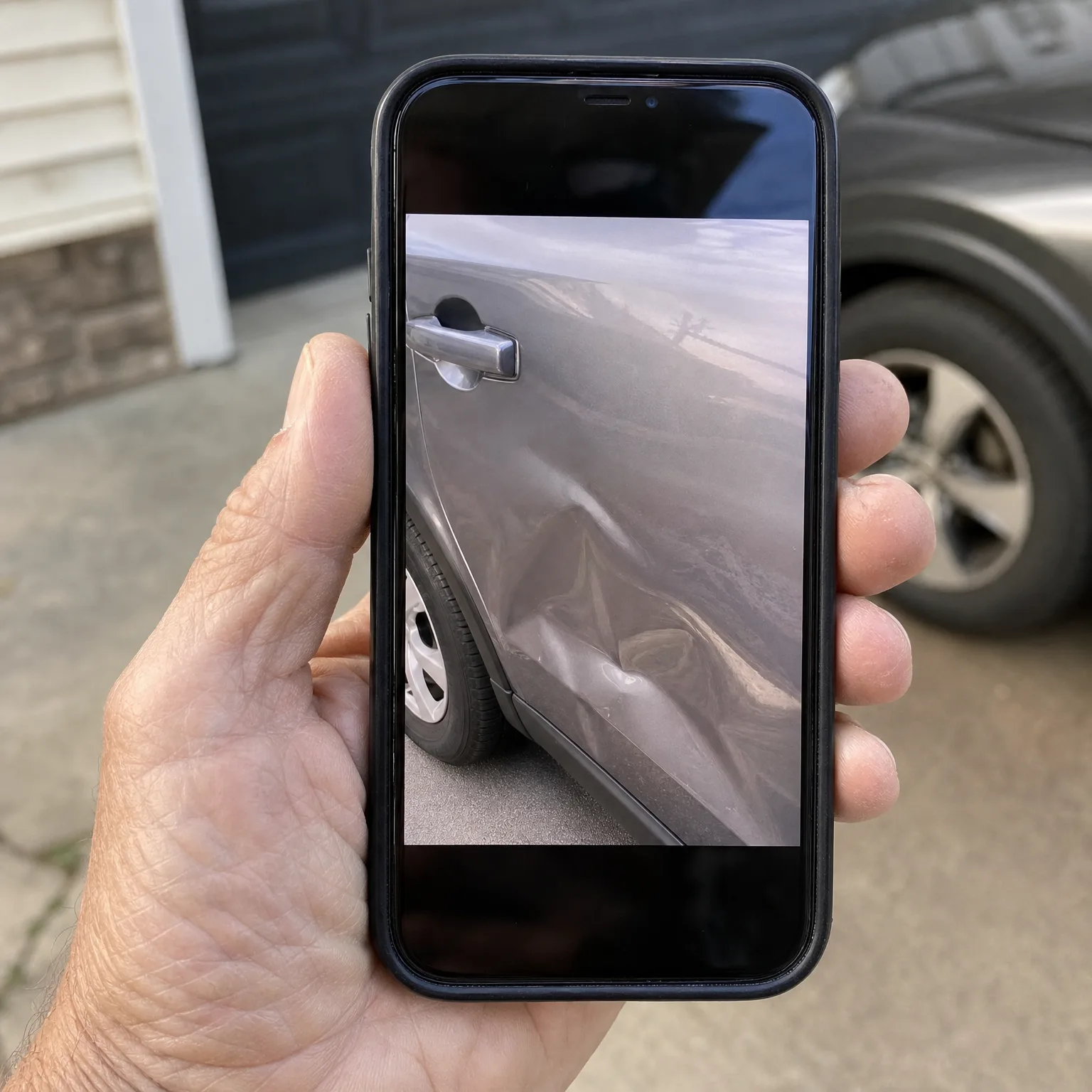
How Do I Choose a Car Insurance Deductible
The right deductible is the highest amount you could pay in cash right now without it hurting, not the one that makes your premium look best.
Choose the deductible you could pay today, not the one that looks cheapest
A car insurance deductible is the amount you pay before your insurer pays the rest of a claim. The right one for you is whatever you could pull from savings tomorrow without trouble. If that number is low, pick a low deductible even though your premium costs more. If you have savings set aside and rarely file small claims, a higher deductible usually saves you money over time.
There's no deductible that's correct for every driver your age. It depends on what you have in the bank, how you drive, and what your car is worth. Someone with a paid off older car and a solid emergency fund can carry more risk than someone leasing a new car or living on a fixed income.

What you keep in savings matters more than your age
Your age tells an insurer something about risk, but it doesn't tell you what deductible to pick. What matters is whether you have cash set aside to cover the deductible the day you need to use it. If a repair bill would mean putting it on a credit card or asking family for help, the deductible is too high for you right now, no matter what it saves on your premium.
Some drivers on a fixed income find that a lower deductible, even at a higher monthly cost, makes their budget more predictable. You know exactly what you'll pay each month, and you're not gambling on whether this is the year you file a claim. Other drivers with retirement savings or a paid off house can treat a higher deductible as a reasonable trade, since they can absorb the cost and bank the premium savings instead.
It helps to actually write down the number. If your deductible is a certain amount, do you have that amount somewhere you could access it within a week? If the answer is no, that's the deductible to avoid, regardless of what it does to your rate.
Your agent or insurer can tell you exactly how much your premium changes at each deductible level you're considering. Ask for the comparison in writing before you decide.
What your car is worth changes whether a higher deductible makes sense
If your car is older and worth less, a very high deductible can end up close to the car's value, which makes the coverage less useful when you need it. Check what your car is actually worth before choosing a deductible for collision or comprehensive coverage. If the repair cost after a high deductible would come close to replacing the car anyway, a lower deductible keeps the coverage meaningful.
For a newer or financed car, a lender may set requirements on your deductible for collision and comprehensive coverage, since they have an interest in the car being repaired rather than abandoned. Check your loan or lease agreement, or ask your lender directly, before assuming you're free to choose any deductible you want.
Some drivers lower their deductible as a car ages and raise it again if they replace the car with something newer. There's no rule that says your deductible has to stay the same for as long as you own the policy. Revisit it whenever your car's value or your savings change.
Questions people ask about this
Can I have different deductibles for collision and comprehensive coverage?
Yes, most insurers let you set these separately. Comprehensive covers things like theft, weather, and animal strikes, which tend to be less predictable and sometimes cheaper to repair, so some drivers choose a lower deductible there and a higher one for collision. Ask your insurer how each option changes your premium before deciding.
Does raising my deductible lower my premium by a lot?
It depends on your insurer, your state, and your driving record, so there's no single answer that applies to everyone. Ask your insurer for a side by side quote at a few different deductible levels so you can see the actual difference for your policy rather than guessing.
What happens if I can't pay my deductible after an accident?
If you can't pay it, the insurer generally won't start repairs or pay out the claim until you do, since the deductible is your share of the cost. This is exactly why the deductible you choose should match what you could realistically pay on short notice, not just what lowers your monthly premium.
Should I raise my deductible to get a discount for a defensive driving course?
These are two separate things and one doesn't require the other. A course completion can lower your premium on its own if you send your insurer the certificate, regardless of what deductible you carry. Ask your insurer whether the course discount applies at every deductible level or only some.
Can my deductible change when I renew my policy?
Yes, deductibles aren't locked in permanently and either you or your insurer can propose a change at renewal. Read your renewal notice carefully, since some insurers adjust the deductible as a way of managing your premium increase. If you see a change you didn't ask for, call and ask why.
See what different deductibles would actually cost you before you decide.

Pull up your current policy and find your deductible for collision and comprehensive coverage. Call your insurer or agent and ask for quotes at a couple of levels above and below what you have now, so you can see the real difference in your premium. While you're on the phone, ask what your car is currently valued at, since that affects whether a high deductible still makes sense. Check your bank account and decide honestly what you could pay within a week if you needed to. If you're financing or leasing your car, check your agreement for any deductible requirements before you change anything. Make the decision based on that number, not on whichever option sounds like the better deal.