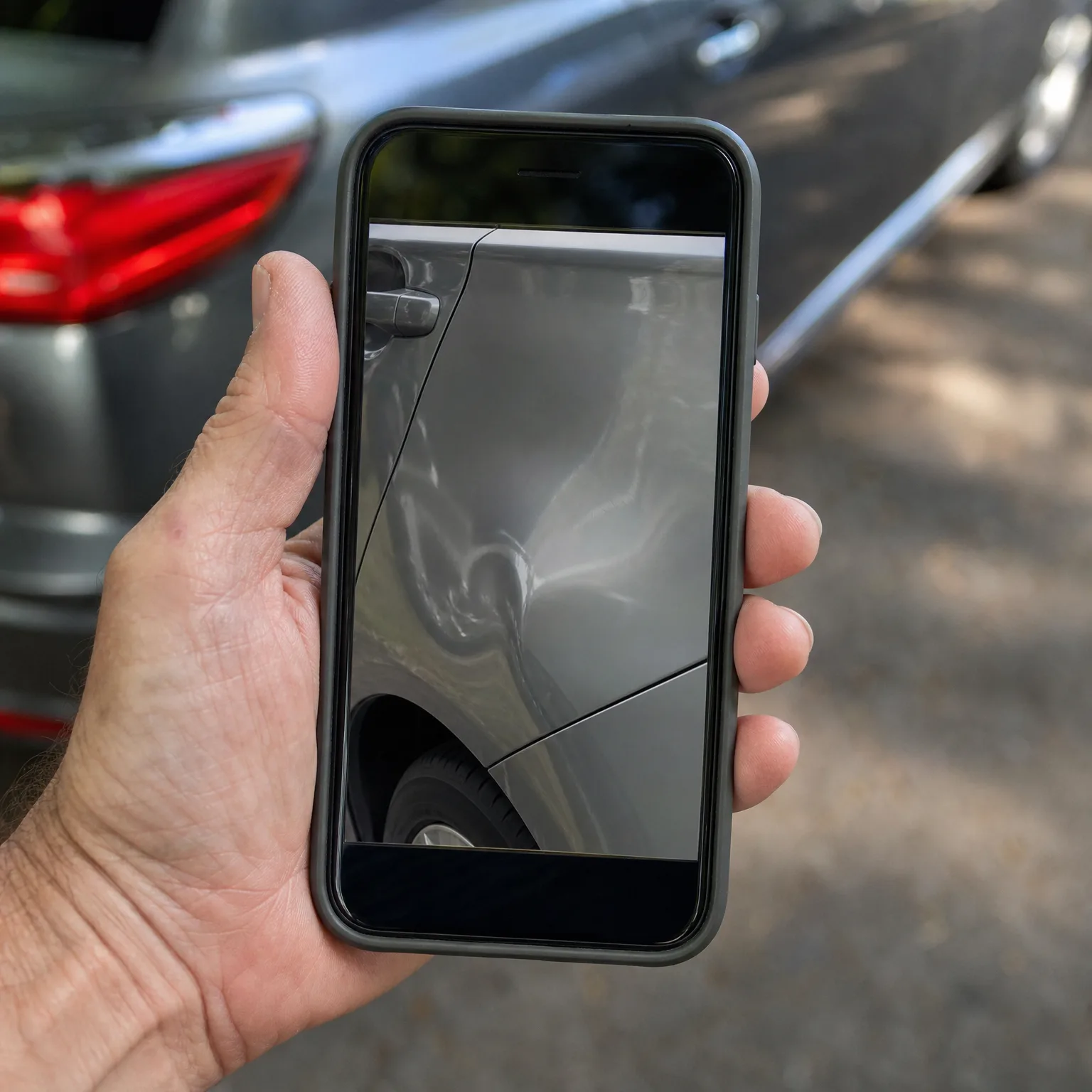
Car Insurance Deductibles for Seniors
A deductible is the amount you agree to pay toward your own car's damage before your insurance covers the rest.
What your deductible applies to
Covers
- Collision claims If you hit another car or a fixed object like a pole or guardrail, you pay the deductible and your insurer covers the remaining repair cost.
- Comprehensive claims Damage from hail, fire, falling branches, animals, or theft is handled the same way, with your deductible subtracted first.
- Single-car accidents If you slide off the road or back into your own mailbox, this is the deductible that applies, since no other driver is involved.
- Glass and weather damage A cracked windshield from a rock or storm damage while parked usually falls under comprehensive, so the same deductible applies unless your policy sets glass apart.
- Repair cost calculations The shop or adjuster figures the total damage, then subtracts your deductible before cutting a check or paying the shop directly.
Doesn't cover
- Another driver's fault If someone else hits you and is clearly at fault, their liability coverage pays, and your deductible usually doesn't come into play.
- Medical bills Injuries to you or your passengers are handled by medical payments or personal injury coverage, not by the collision or comprehensive deductible.
- A rental car while yours is fixed That comes from separate rental reimbursement coverage, if you carry it, and isn't reduced by your deductible.
- Mechanical breakdowns A dead battery, worn brakes, or a failed transmission are wear and tear, not a covered claim, so no deductible or coverage applies at all.
- Damage to someone else's property That's paid through your liability coverage, which has no deductible, since it's meant to cover the other person, not you.
For many older drivers, it's worth keeping, but not at every deductible level
The first question is what your car is worth and whether you still owe money on it. If a lender holds the loan, they typically require collision and comprehensive coverage, so dropping it isn't your call to make. If the car is paid off and worth modestly, the math changes.
Think about what you could actually cover yourself if the car were totaled tomorrow. If you have enough set aside to replace or repair the car without strain, a higher deductible makes sense, since you're only paying a premium to cover a loss you could absorb anyway. If a sudden repair bill would be a real hardship, a lower deductible or keeping full coverage matters more than the premium savings.
How much and where you drive matters too. A driver who mostly makes short trips to church, the pharmacy, and a few neighbors' houses carries less risk than someone still commuting daily on a highway. Fewer miles usually means fewer chances for a claim, which can make a higher deductible a reasonable trade for a lower premium.
Where the car sits overnight also plays a role. A car kept in a garage faces less exposure to hail, falling branches, and theft than one parked on the street, which can tilt the decision on how much comprehensive coverage and what deductible level makes sense for you.
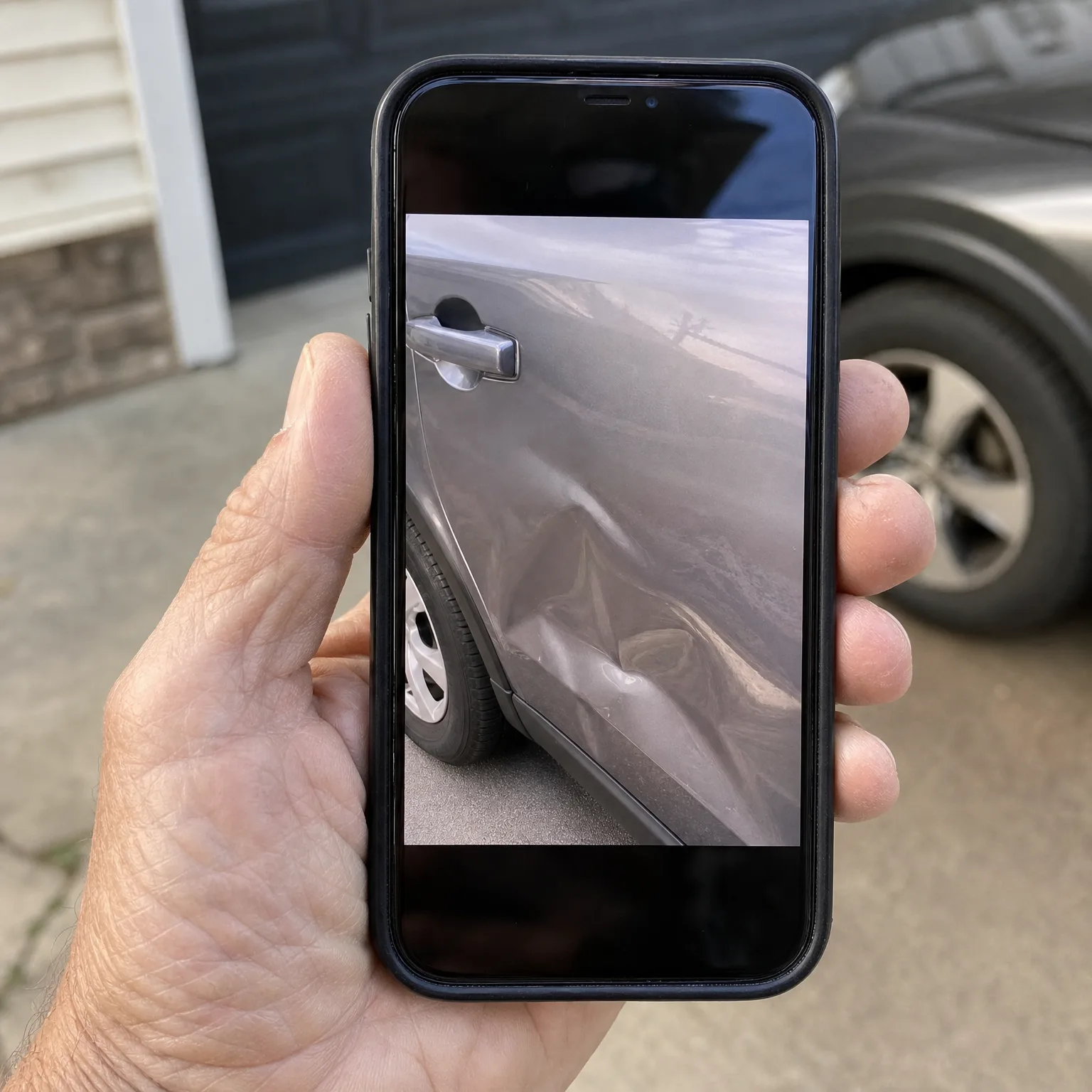
What actually happens when you file a claim
After an accident or damage, you report the claim and an adjuster assesses the cost to repair or replace the car. Your deductible is the fixed amount you agreed to when you set up the policy, and it stays the same no matter how large or small the total damage is. The insurer subtracts that amount from the total and pays the rest, either to you or directly to the repair shop.
If the damage is less than your deductible, the insurer pays nothing and you cover the full cost yourself. This is common with minor dents or small cracks, which is why some drivers choose not to file a claim at all for small damage, to avoid it showing up on their record.
Have your policy details, photos of the damage, and a repair estimate ready when you call. If the car is declared a total loss instead of repaired, the insurer pays you the car's value minus your deductible, not the cost of a replacement vehicle.

Deductible coverage versus gap coverage
Collision and comprehensive deductible
This is the amount you pay out of pocket before your own damage coverage kicks in. It applies to repairs and to the car's assessed value if it's totaled.
Gap coverage
This pays the difference between what you still owe on a loan or lease and what the car is actually worth if it's totaled, since those two numbers often don't match.
If your car is paid off, gap coverage doesn't apply to you at all, but if you're still financing, it fills a hole your deductible coverage never touches.
Real situations
You're parked at church and a hailstorm passes through, leaving dents across the hood and roof.
This pays under comprehensive coverage, once the damage total is figured and your deductible is subtracted.
A deer runs into the road at dusk on a county highway and you can't avoid it.
This pays under comprehensive coverage, since hitting an animal is treated as comprehensive damage rather than collision.
Your car won't start one morning and the mechanic says the starter has simply worn out.
This doesn't pay, since mechanical wear and tear isn't a covered claim under any deductible.
Once you know what deductible level fits your savings and how you drive, you're ready to compare quotes on that basis.
Questions people ask about this
Can I change my deductible mid policy?
Yes, you can usually ask your insurer to raise or lower your deductible at any point, though the change typically takes effect at your next renewal or payment cycle. Check with your insurer about when the new amount applies. Some will adjust it immediately for an additional premium charge.
Do I need collision coverage on an old paid off car?
Not necessarily, and many drivers drop it once a car's value drops low enough that a payout wouldn't cover much after the deductible. Compare what you're paying in premium against what the car is actually worth. If the premium is a large share of the car's value, dropping collision may make sense.
What happens if I can't afford my deductible after an accident?
Some repair shops will work out a payment arrangement, but the insurer still requires the deductible to be covered before or alongside their payment. This is part of why many advisors suggest setting your deductible at a level you could pay from savings without hardship. Check your policy for how the shop expects it handled.
Does my deductible go up after a claim?
No, the deductible amount itself doesn't rise because you filed a claim, though your premium might increase at renewal depending on the claim. Check with your insurer about how claims affect your specific rate. The deductible stays fixed at whatever level you chose when you set up the policy.
Is a higher deductible always cheaper overall?
Not always, it depends on how often you'd actually file a claim and whether you can cover the higher out of pocket cost if something happens. A higher deductible lowers your premium, but only helps financially if you avoid claims or can absorb the cost easily. Weigh the savings against what a real claim would cost you.