How Does a Car Insurance Claim Payout Work
After you file, the insurer investigates, decides what it owes, and pays out according to your policy's limits and the facts of the claim.
You get paid based on what the policy covers, not what you spent
Once you file a claim, an adjuster looks at the damage or the loss, decides who was at fault, and applies that to the coverage you actually have. The payout is whatever your policy promises for that situation, minus your deductible, up to your coverage limit.
Two drivers with the same accident can get very different payouts because their policies are different. The limits you chose when you bought the policy, and whether you carry collision or comprehensive coverage, matter more than the size of the damage itself.

Who was at fault changes who pays and how fast
If another driver is found at fault, their liability coverage is supposed to pay for your damage. That claim goes through their insurer, and their insurer has no obligation to move quickly for you since you aren't their customer.
If you're at fault, or fault isn't clear yet, your own insurer pays under your collision coverage if you have it. That claim usually moves faster because you're the one they answer to.
Some states use no-fault rules, where your own insurer pays for your injuries regardless of fault, up to a limit. Whether that applies to you depends on the state you're insured in, so check your declarations page or ask your insurer which system you're under.
Fault also affects your record and your future premium, even when the other driver's insurer is the one writing the check.
What you don't do after an accident can shrink the payout
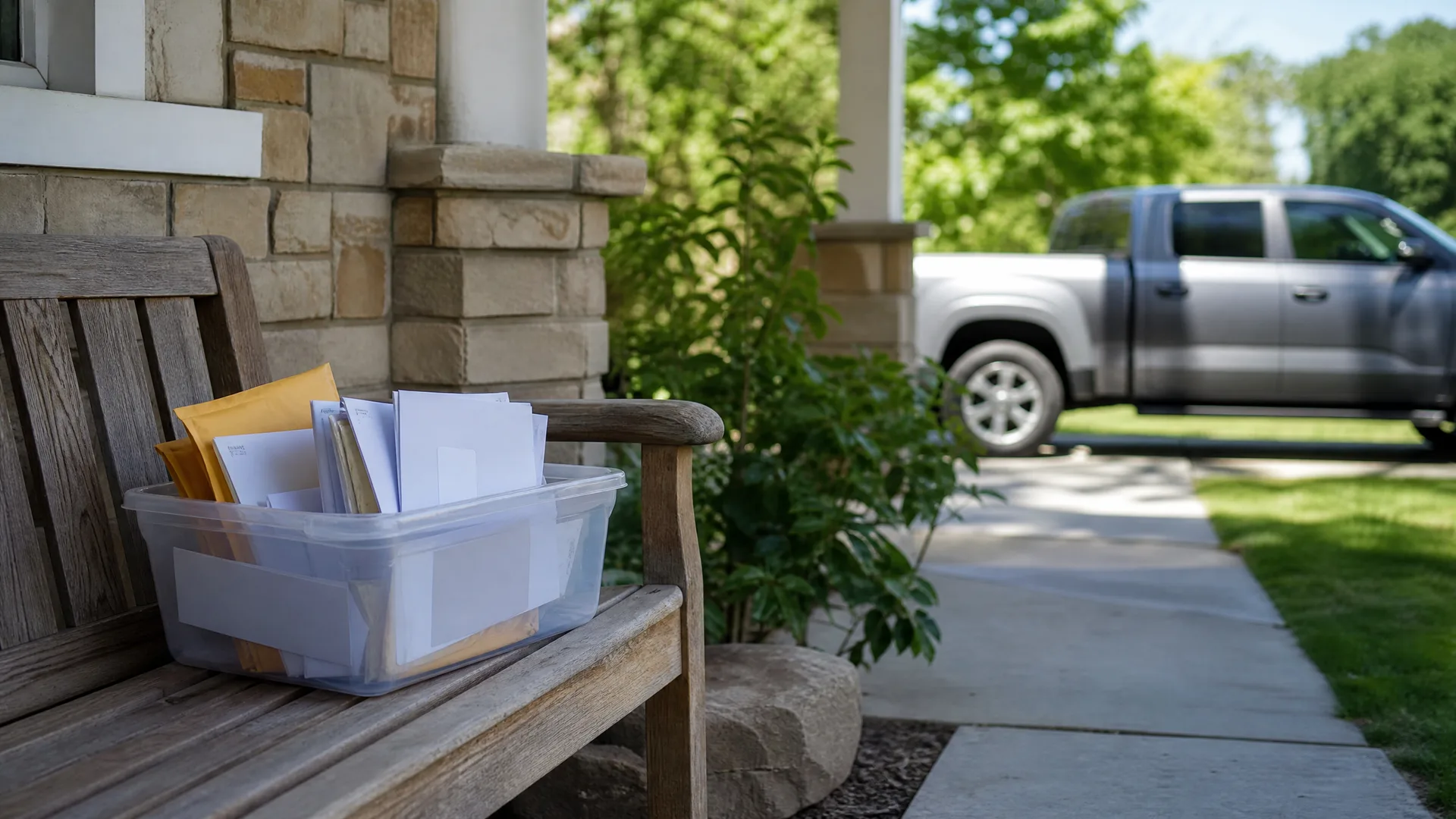
The adjuster needs evidence to support the payout. Photos of the damage, a copy of the police report, repair estimates, and any medical records all go into what they decide you're owed.```Without them, the insurer has less to work with and may offer less.```
Most policies also require you to report a claim within a certain window and to cooperate with the investigation. Missing that window or ignoring requests for information can delay or reduce a payout, even on a claim that would otherwise be paid in full.
If you get a repair estimate on your own before the adjuster sees the car, keep it. Insurers often have their own estimate, and having yours gives you something to point to if the numbers don't match.
For a total loss, the insurer pays the vehicle's value right before the loss, not what you paid for it or what you'd need to replace it. If you disagree with their number, ask what it's based on and whether you can submit your own comparable listings.
Questions people ask about this
How long does it take to get a car insurance claim payout?
It depends on how clear the fault is and how complete your documentation is. A straightforward claim with clear fault and good records moves faster than one where liability is disputed or information is missing. Ask your adjuster for a timeline once the claim is open, since it varies by insurer and by state.
Does the insurance payout go to me or the repair shop?
It depends on how you want it handled and sometimes on whether you still owe money on the car. If you have a loan or lease, the lender is often named on the check along with you. Ask your insurer how they issue payment before repairs begin so there are no surprises.
What happens if I disagree with the claim payout amount?
You can ask the adjuster to explain how they reached the number and request a review. Bring your own repair estimates or comparable vehicle listings to support a different figure. If you can't resolve it with the adjuster, ask your insurer what their formal appeals or dispute process looks like.
Will a claim payout affect my car insurance rate?
It depends on whether you were at fault and on your insurer's own rules. An at-fault claim is more likely to raise your premium at renewal than a claim where another driver was responsible. Ask your insurer directly how this particular claim is likely to be treated on your policy.
Do I have to use the repair shop my insurer recommends?
No, you generally have the right to choose your own shop. Insurers often suggest shops they work with regularly, which can make the claims process smoother, but you aren't required to use them. Ask your insurer whether choosing an outside shop changes how the payout is handled.
If you want a policy that pays out the way you expect when it matters, it helps to see what other insurers offer first.
Pull out your current policy's declarations page and find your deductible and coverage limits before you need them. If you're ever in an accident, take photos right away, get a copy of the police report, and call your insurer promptly to start the claim. Ask your adjuster directly what evidence they need and what their timeline looks like for your situation. If you disagree with a payout, ask what it's based on before you accept it. And if you're simply reviewing your coverage, compare how other insurers handle claims and payouts so you know what you're choosing, not just what you're paying.