How Car Insurance Claim Payouts Work
Your insurer pays what it decides your loss is worth, based on your coverage, the damage, and who they decide caused it.
The payout follows your coverage and the facts of the claim
After an accident, your insurer looks at what coverage applies, who they determine was at fault, and what the damage or injury actually costs to fix or treat. The payout is built from those three things, not a flat amount tied to your policy.
If another driver is found at fault, their insurer usually pays for your damage and any injury, up to their policy limits. If you're at fault, your own insurer pays the other driver under your liability coverage, and your collision coverage, if you have it, pays for your car. What you actually collect depends on your limits, your deductible, and whether the other driver even carries enough coverage to pay their share.
Fault decides whose insurer pays, and how much
Every claim starts with an assessment of fault. The insurer investigates the accident, sometimes using the police report, sometimes using photos, statements, or an adjuster's own review of the damage.
In a state with pure comparative fault, you can still collect something even if you were partly to blame, reduced by your share. In a state with a stricter rule, being found mostly at fault can cut off your claim against the other driver entirely. Ask your insurer or check with your state's insurance department which rule applies where you live.
If fault is split or disputed, the payout can take longer and may involve negotiation between the two insurers. That's normal, and it doesn't mean your claim is being denied. It means the companies haven't agreed yet on who owes what.

What's actually covered sets the ceiling
A payout can't exceed what your policy, or the at-fault driver's policy, actually covers. Liability coverage pays for the other person's damage and injuries. Collision and comprehensive pay for your own car. If you don't carry collision coverage and you're at fault, there's no payout for your own vehicle's damage.
Your deductible comes out of your side of the payout, not the other driver's. If you're at fault and have a deductible, you pay that amount before your coverage picks up the rest.
If the at-fault driver doesn't carry enough liability coverage to cover your damage, uninsured or underinsured motorist coverage, if you have it, can make up the difference. Without it, you may be left covering the gap yourself or pursuing the other driver directly, which is a separate and often slower process.
Questions people ask about this
How long does a car insurance claim take to pay out?
It depends on how clear fault is and how much damage or injury is involved. A straightforward claim with clear fault can move quickly, while a disputed one or one involving injury can take much longer while the insurer investigates and negotiates.
What happens if the at-fault driver's insurance won't pay enough?
If their liability limits don't cover your full loss, your own uninsured or underinsured motorist coverage can help close the gap, if you carry it. Check your policy or ask your insurer whether you have that coverage and what it requires.
Does my insurance rate go up after a claim payout?
It depends on your insurer and whether you were found at fault. Some insurers also factor in claims where you weren't at fault. Ask your insurer directly how they treat the specific type of claim you filed.
Can I negotiate a car insurance payout?
Yes, you can push back if you think the settlement offer is too low, especially for vehicle damage or medical costs. Bring your own repair estimates or medical bills to support a higher number, and ask the adjuster to explain how they reached their figure.
Who decides how much my totaled car is worth?
The insurer estimates your car's value based on its condition, mileage, and what similar vehicles are selling for in your area before the accident. You can ask for the data behind their number and challenge it if you have evidence your car was worth more.
If your renewal is coming up, it's worth seeing what other insurers would charge for the same coverage.
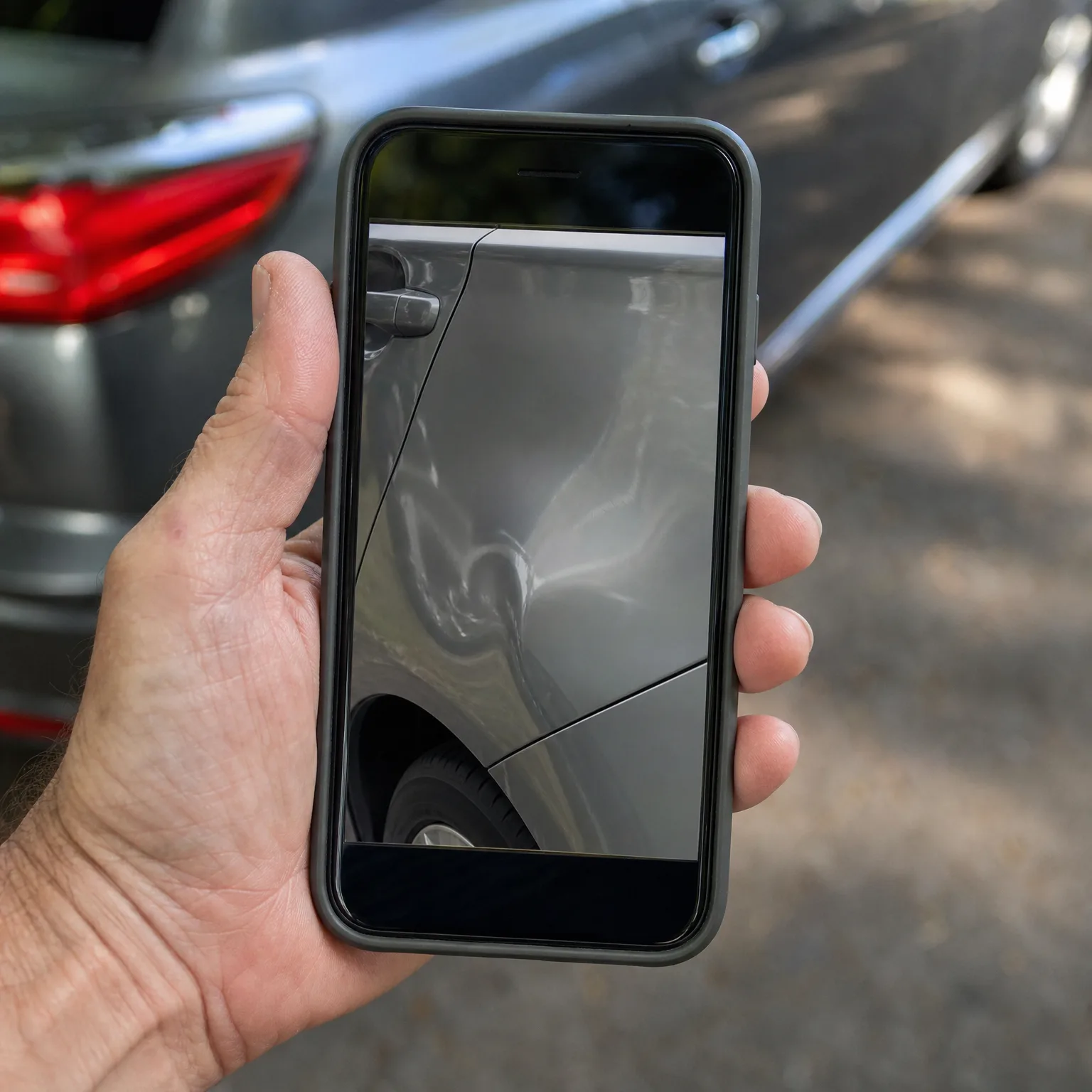
Pull up your current policy and check your liability limits, your deductible, and whether you carry uninsured motorist coverage. If you've been in an accident, gather the police report, photos of the damage, and any repair or medical estimates before you talk to your insurer. Ask the adjuster directly how they calculated the offer and what it's based on. If you disagree with the number, ask what documentation would support a higher one. And if this claim has you rethinking your coverage, use this as the moment to compare what other insurers would charge for the same protection.