Deductible for a Stolen Car
The deductible for a stolen car is the amount you pay out of pocket before your comprehensive coverage pays the rest of your car's value if it's stolen and not recovered.
What this coverage applies to
Covers
- Theft of the whole car If your car is taken and never found, comprehensive coverage pays its value minus your deductible.
- Theft after recovery, damaged If the car is found but damaged or stripped, the same deductible applies to the repair or the payout, whichever the claim becomes.
- Items built into the car Factory-installed equipment like a stereo or navigation system is covered under the same comprehensive claim.
- Vandalism tied to the theft Broken windows or a damaged ignition from the theft attempt are part of the same claim and the same deductible.
- A car that's paid off or financed The deductible works the same either way, though a lender may require you to carry this coverage at all.
Doesn't cover
- Things stolen from inside the car Personal belongings like a laptop or golf clubs usually fall under homeowners or renters insurance, not the car policy.
- A rental car while yours is gone Rental reimbursement is a separate coverage you'd need to add to your policy to pay for a replacement car while you wait.
- Theft by someone you let drive it If a family member or friend you gave permission to took the car, insurers typically treat that as a dispute, not a theft.
- The full value with no deductible The deductible always comes out first, no matter how the car was stolen or how long it was gone.
- Loan balance beyond the car's value If you owe more than the car was worth, a separate coverage pays that gap, and this one doesn't.
Worth keeping for most people, worth dropping for some
For a car that still has real value, this coverage is worth keeping. A theft that isn't recovered means replacing the whole car, and that's a cost most people would rather not absorb all at once, even with savings to cover it.
The math changes as a car ages. Once a car is worth only a small amount, the payout after the deductible may barely be worth filing a claim over, and you might be paying for coverage that can't do much for you anymore.
Where the car sits matters too. A car kept in a locked garage every night is a lower theft risk than one parked on a street or in a shared lot, and that's worth factoring in even though it won't change what the coverage itself does.
If you could replace the car from savings without strain, you have a real choice to make. Some drivers in that position keep the coverage anyway for the convenience of a claim instead of a cash outlay. Others drop it once the car's value drops low enough that self-insuring makes more sense.
How a theft claim actually plays out
You file a police report first, since insurers require one before they'll process a theft claim. Then you file the claim itself, and the insurer typically gives the car some time to turn up before settling it as a total loss.
If the car isn't found, the insurer pays its current value, not what you paid for it or what it would cost to replace with something newer. Your deductible is subtracted from that amount before you receive payment.
If the car is recovered, the claim shifts to covering whatever damage was done. You still owe the same deductible, whether the claim becomes a repair or a total loss.
Have your registration, loan or title information, and a list of any built-in equipment or recent repairs ready. That speeds up both the valuation and the payout.
Often confused with gap coverage
Deductible for a stolen car
This is the amount you pay before comprehensive coverage pays out the value of a stolen car. It applies whether the car is found damaged or never recovered at all.
Gap coverage
Gap coverage pays the difference between what you still owe on a loan and what the car was actually worth at the time it was stolen. It only matters if you owe more than the car's value.
If your car is paid off or close to it, the deductible is the only number that matters to you; if you're still early in a loan, gap coverage is worth checking too.
Real situations
Your car is taken from a shopping center parking lot while you're inside for an hour, and it's never found.
This coverage pays out the car's value minus your deductible, since it's a straightforward theft with no recovery.
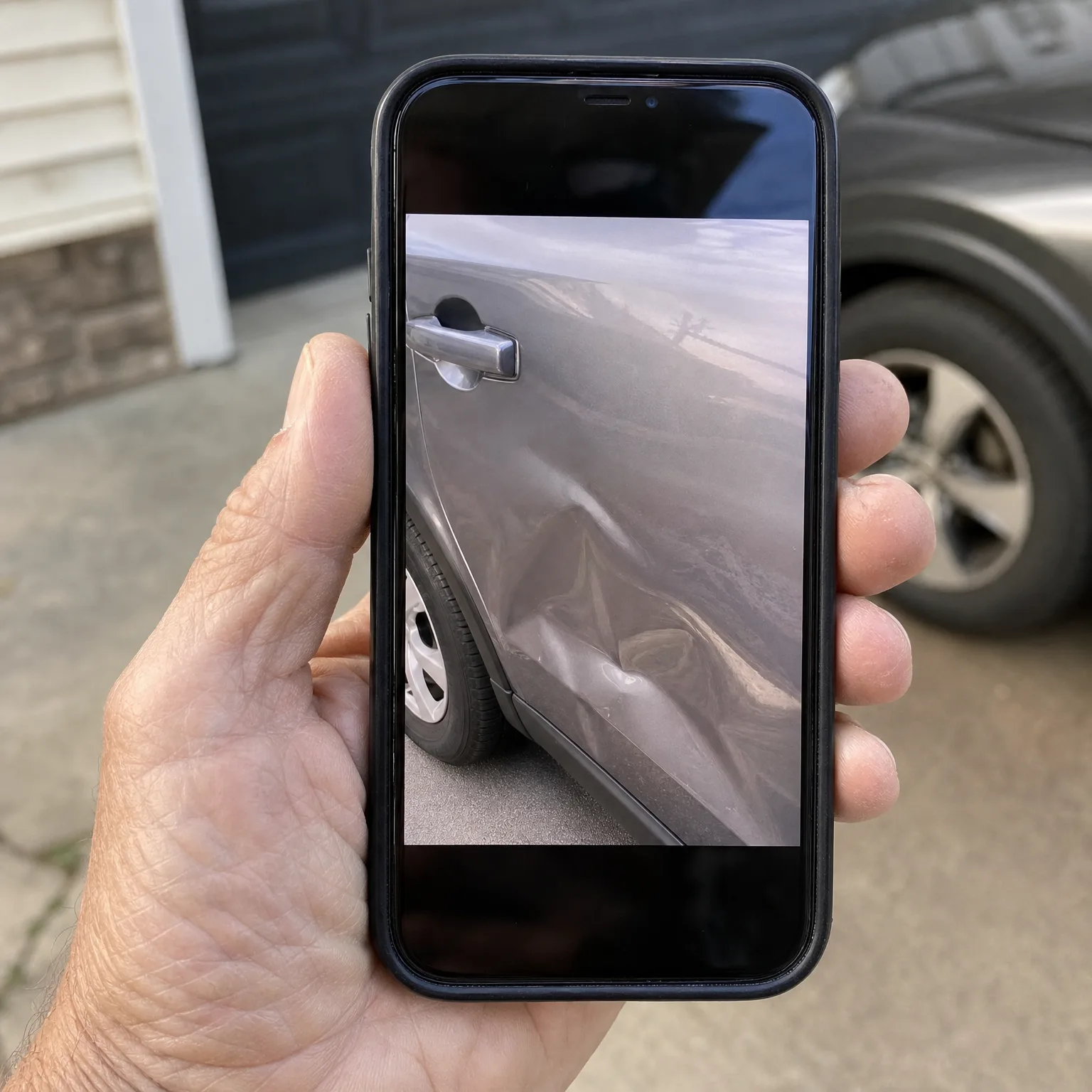
You come out after a doctor's appointment and find your car's window smashed and the radio ripped out, but the car is still there.
This pays for the damage and the stolen radio as a comprehensive claim, with your deductible applied the same way.
Your adult grandson borrows your car for the weekend and doesn't bring it back when he said he would.
This doesn't pay, since insurers generally treat this as a personal dispute rather than a theft, even if it feels like one.
Once you know whether this deductible still fits your car and how you drive it, you're ready to compare quotes and see how it's priced across policies.
Questions people ask about this
Can I choose a different deductible just for theft?
No, the deductible for theft is the same as your comprehensive deductible, since theft falls under that coverage. You'd adjust it by changing your comprehensive deductible overall, which also affects claims for things like hail or fire. Check your policy to see which comprehensive deductible you currently carry.
What happens if my stolen car is found after I already got paid?
The insurer typically keeps the car at that point, since paying your claim transferred ownership to them. If you want the car back instead, ask before the claim settles, since policies handle this differently. Some will let you keep it and adjust the payout instead.
Does having an anti-theft device lower what I pay?
It can, since some insurers offer a discount for alarms, tracking systems, or other anti-theft features. It doesn't change your deductible, only the premium you pay for the coverage. Ask your insurer directly which devices qualify.
Should I even carry comprehensive coverage on an older car?
It depends on what the car is worth and what you'd lose if it were stolen or damaged. Once a car's value drops low enough, the payout after your deductible may not be worth the premium you're paying. Compare the car's current value against your annual premium to see where you stand.
Who decides how much my stolen car was worth?
The insurer determines the car's value based on its condition, mileage, and local market prices for similar cars. You can push back if the number seems low, often with your own research or an independent appraisal. Ask what records they used to reach their figure.