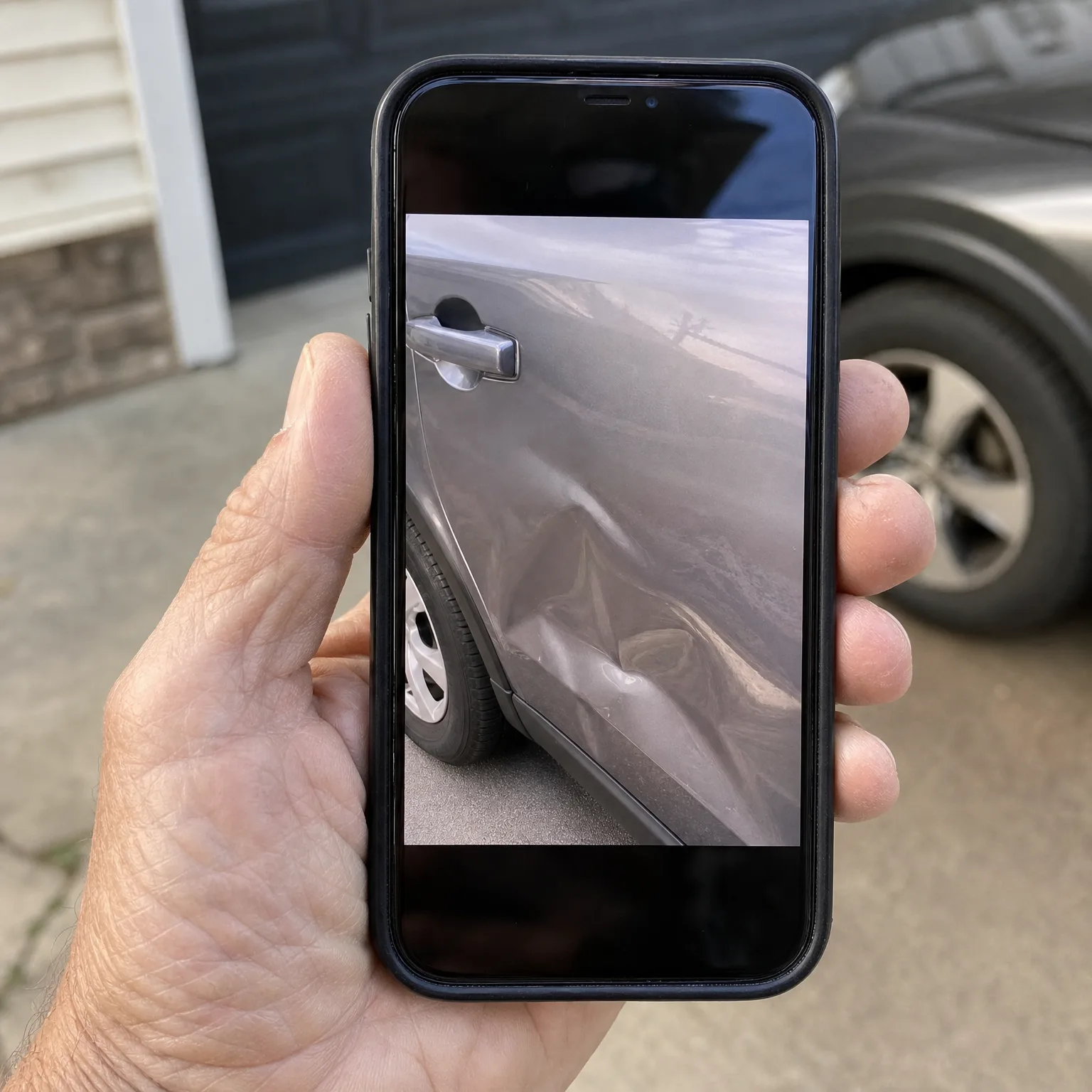
High Deductible vs Low Premium
The right choice depends on how much you drive now and how much cash you could cover if something happened to your car.
It depends on your driving and your savings
A high deductible lowers your premium because you're agreeing to pay more yourself if you file a claim. A low deductible raises your premium but protects you from a large bill if your car is damaged. Neither one is better for every driver.
If you drive less than you used to and keep money set aside for repairs, the high deductible usually saves you more over time. If an unexpected repair bill would be hard to cover, the lower premium with a smaller deductible is worth the extra cost.
How much you drive now
Many drivers in their sixties and seventies are on the road less than they were, whether because they've retired, moved closer to family, or just make fewer trips. Less driving means fewer chances to file a claim, which makes a high deductible a smaller risk than it would have been years ago.
If you still commute, drive for a job, or regularly take long trips, you're exposed to more of the situations that lead to a claim. In that case, a lower deductible protects you against something that's more likely to happen.
Look at your mileage over the past year, not what it used to be. If it's dropped, the deductible that made sense before may not be the one that makes sense now.
What you could pay out of pocket today
The deductible is only a good deal if you can actually pay it when a claim happens. If your car were damaged tomorrow, think about whether you could write a check for a high deductible without it causing a problem.
Some drivers keep a repair fund specifically for this, separate from other savings. If you have that cushion, a high deductible is a way to lower your premium without taking on real risk.
If paying a high deductible would mean skipping other expenses or dipping into savings you don't want to touch, a lower deductible is worth the higher premium. The point of insurance is to avoid a bill you can't absorb, not to save money you'd lose anyway.
Questions people ask about this
Can I change my deductible after I buy the policy?
In most cases yes, you can ask your insurer to raise or lower your deductible at any time, not just at renewal. Changing it takes effect going forward and changes your premium from that point on. Ask your insurer when the new deductible would apply and whether it affects your current term.
Does a high deductible affect how insurers see my risk?
Not in the way some people expect. Choosing a high deductible doesn't make you look safer to an insurer, it just means you're covering more of a claim yourself before they pay. Your driving record and other factors still determine how they price your policy.
Should my deductible be different for comprehensive and collision?
It can be, and many policies let you set them separately. Comprehensive covers things like weather damage or theft, which may feel like a different risk than a collision you cause yourself. Ask your insurer whether splitting the two makes sense for your situation.
Will raising my deductible lower my premium by a lot or a little?
That depends on your insurer and your state, since both set their own pricing rules. Ask your agent to show you the premium at a few different deductible levels side by side so you can see the actual difference for your policy.
What happens if I can't pay my deductible when I file a claim?
If you can't pay it, the insurer typically won't release funds for the repair until you do, since the deductible is your share of the cost. This is why the deductible you choose should match what you could realistically pay, not just what lowers your premium the most.
See what your premium would look like at a few different deductible levels before you decide.
Pull up your last renewal notice and check your current deductible and premium. Call your insurer or agent and ask what your premium would be at a higher and a lower deductible than you have now. Compare those numbers against what you could actually pay out of pocket if you filed a claim this month. If you've been driving less than you used to, mention that, since it may open up other savings too. Do this before your policy renews, since that's when the new deductible would take effect.