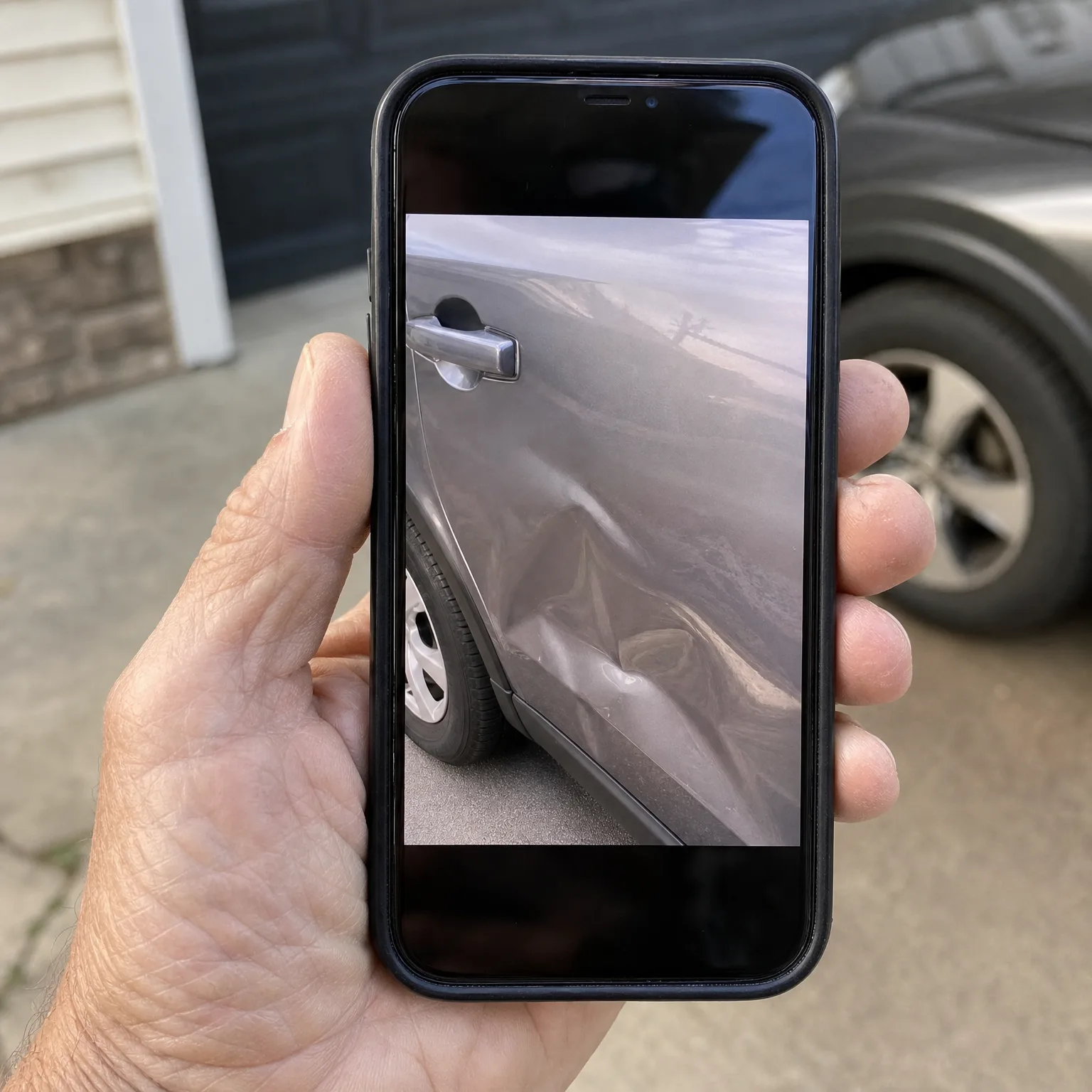
High vs Low Deductible Car Insurance
A high deductible means a lower premium and more risk on you if something happens. A low deductible means the opposite.
It depends on what you can afford to pay at once
A high deductible lowers your premium because you're agreeing to cover more of any claim yourself. A low deductible raises your premium because your insurer is covering more of it. Neither one is the right choice on its own. It comes down to whether you have enough set aside to pay the higher deductible if you needed to tomorrow.
For a driver on a fixed income, the difference between the two deductibles in your monthly premium might matter less than the difference in what you'd have to come up with after an accident. If a large out-of-pocket payment would be hard to manage right now, that points toward the lower deductible, even though it costs more every month.

How much you drive changes the math
Someone who drives every day has more exposure to a claim than someone who drives occasionally. If you're on the road less than you used to be, the odds of needing your collision or comprehensive coverage in a given year go down, and a high deductible starts to make more sense because you're less likely to pay it.
If you still commute, drive grandchildren around, or take regular trips, your exposure is higher and a low deductible gives you more protection for the money.
This is also worth revisiting if your driving habits have changed in the last few years. A deductible that made sense when you drove daily might not fit how little you drive now, or the reverse.
Your insurer can tell you how your premium changes at each deductible level for your specific policy. Ask for a few options side by side rather than guessing at the difference.

What your car is worth matters more than it seems
If your car is older or worth less, a very low deductible can end up costing you more over time than it would ever pay out. Insurers won't pay more than the car's value in a claim, so a low deductible on a low-value car narrows the gap between what you'd owe and what you'd get back.
On a newer or more valuable car, that gap is wider, and a lower deductible protects more of your own money if the car is damaged or totaled.
It's worth checking your car's current value, not what you paid for it, before deciding. A car that's been paid off for years may not be worth carrying a low deductible for, especially if dropping comprehensive and collision altogether is also on the table.
If you're unsure what coverage still makes sense for a car's current value, that's a question to bring directly to your insurer or agent.
Questions people ask about this
Can I change my deductible after I buy the policy?
Yes, most insurers let you change your deductible at renewal or sometimes mid-policy. Ask your insurer how often you can change it and whether a change takes effect immediately or at your next renewal.
Does a high deductible affect my rate after an accident?
Your deductible choice itself doesn't determine whether a claim raises your rate. That depends on fault, your claims history, and your insurer's own rules. A high deductible only changes how much you pay out of pocket before your coverage starts paying.
Should my deductible be the same for collision and comprehensive?
They don't have to match. Some drivers choose a lower deductible for comprehensive, which covers things like weather damage or theft, and a higher one for collision. Check with your insurer about setting them separately if that fits your situation better.
What happens if I can't pay my deductible after a claim?
If you can't cover the deductible, the repair shop generally won't release the car until it's paid, since your insurer only pays its share of the claim. This is the main reason to choose a deductible you know you could pay in full if needed.
Does my deductible reset every year?
Most deductibles apply per claim, not per year, so you'd owe it each time you file a claim, not just once annually. Check your policy or ask your insurer to confirm how your specific deductible is structured.
See how each deductible changes your premium before you decide.

Pull up your current policy and find your deductible and your premium. Call your insurer or agent and ask what your premium would be at one deductible higher and one lower, so you're comparing real numbers for your own policy. While you're on the phone, ask what your car's current value is and whether comprehensive and collision still make sense to carry at all. Check your savings against the higher deductible amount and be honest about whether you could pay it without strain. If the answer is no, that settles which direction to go before you change anything.