Comprehensive Deductible for Seniors
Comprehensive deductible is the amount you pay out of pocket before your comprehensive coverage pays for damage to your car from something other than a collision, like weather, fire, theft or an animal strike.
What comprehensive coverage pays for, once you've paid your deductible
Covers
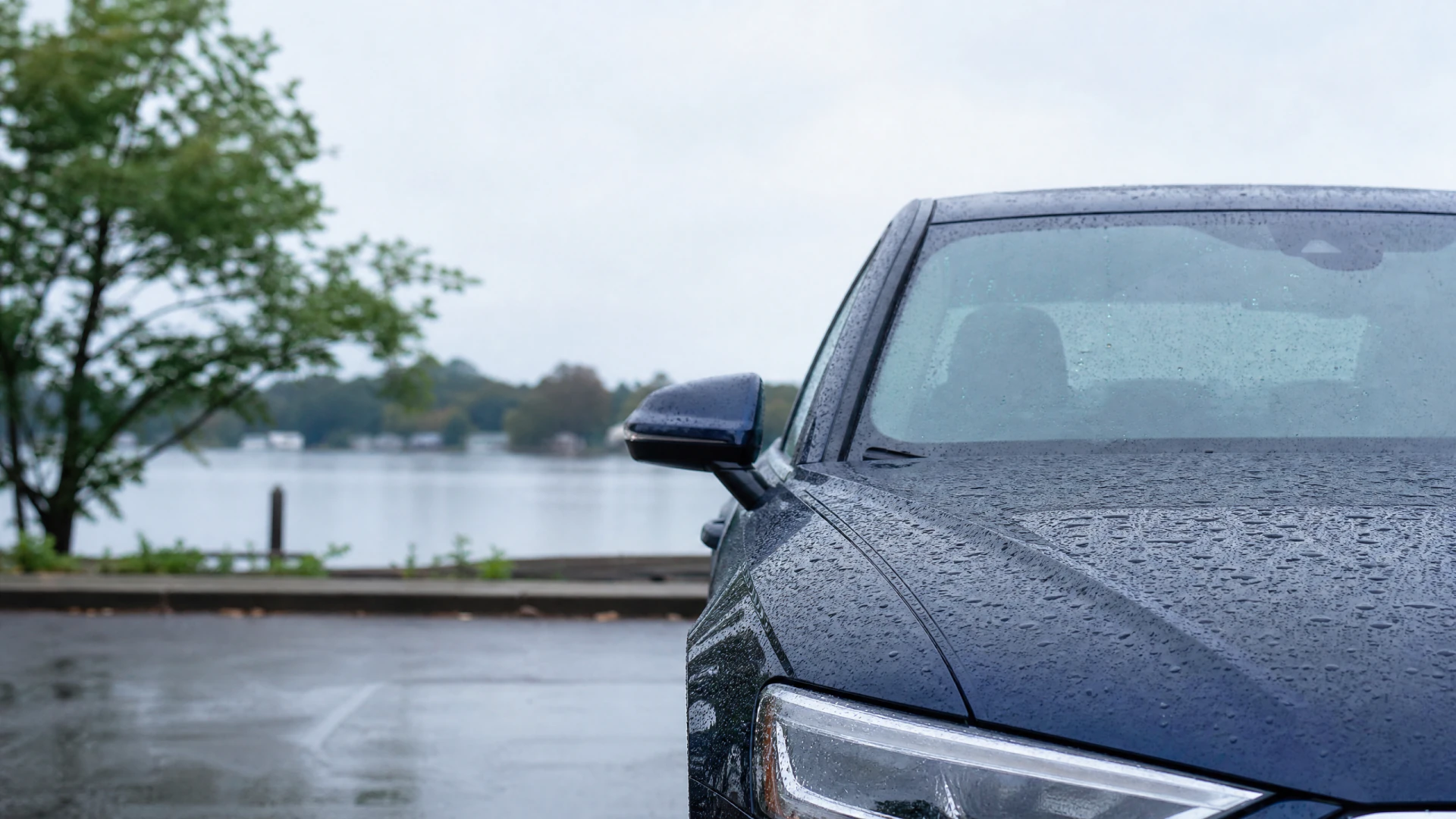
- Weather damage Hail, flooding, falling tree limbs and wind damage to your parked or moving car are covered.
- Animal strikes Hitting a deer or other animal is treated as comprehensive, not a collision claim.
- Theft and vandalism If your car is stolen or broken into, or someone keys it or smashes a window, this is what pays.
- Fire and explosion Damage from an engine fire or a fire that spreads from somewhere else is covered.
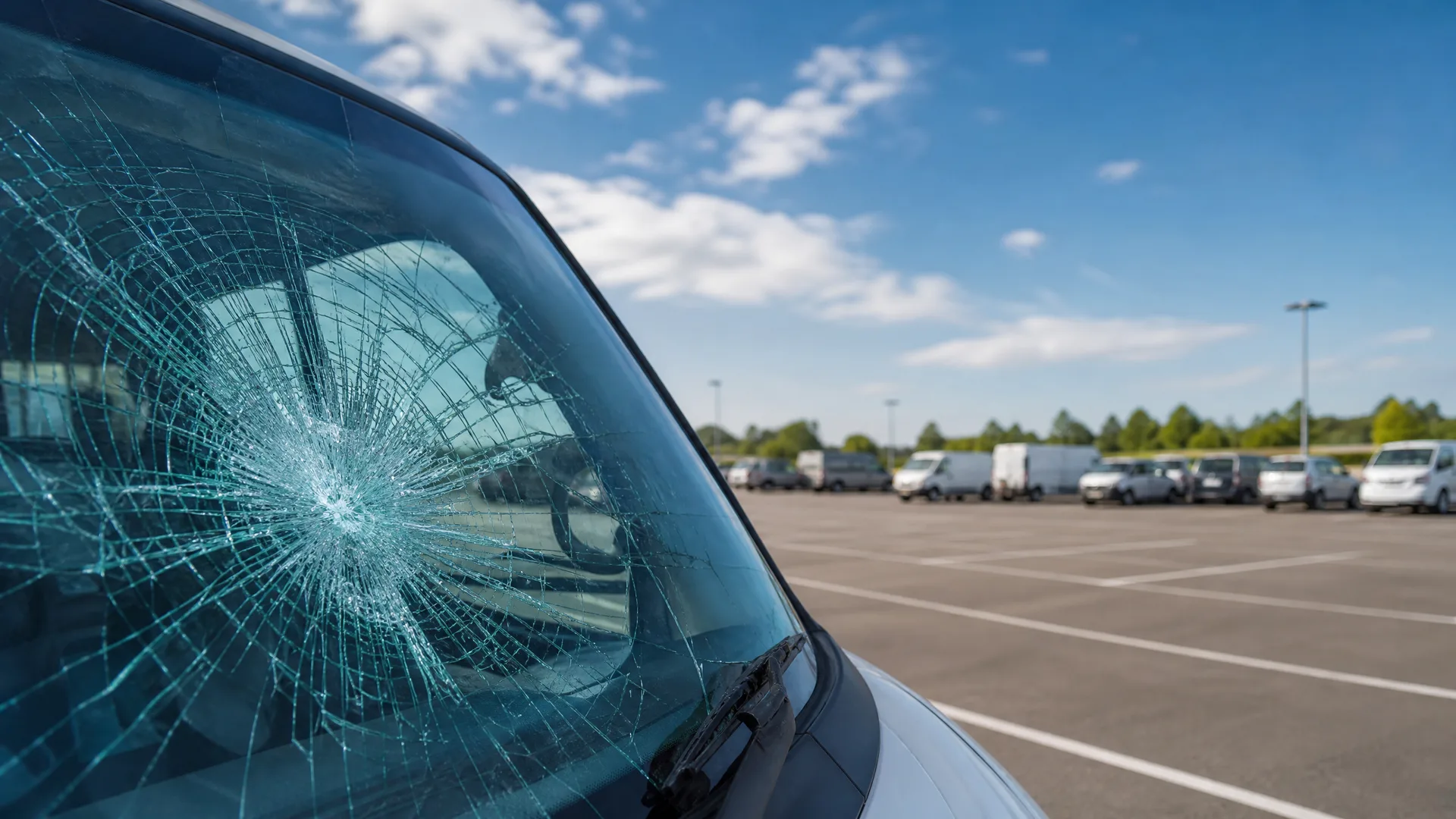
- Glass damage A cracked windshield from a rock or debris falls under comprehensive, and some policies waive the deductible for glass alone.
- Falling objects A branch, a piece of a roof, or cargo that falls off another vehicle and hits your car is covered.
Doesn't cover
- Hitting another car That's a collision claim with its own separate deductible, not comprehensive.
- Your medical bills Injuries to you or your passengers are handled by medical payments or health insurance, not this coverage.
- Mechanical breakdown A part that simply wears out or fails on its own isn't damage from an outside event, so it isn't covered here.
- Normal wear and tear Faded paint, worn tires and interior wear are maintenance issues, not something any insurance pays for.
- A rental car while yours is fixed That needs separate rental reimbursement coverage, which isn't automatic.
- The full value of a totaled car You get the car's actual value at the time, minus your deductible, not what you originally paid for it.
For a lot of older drivers, this coverage is still worth having, but not always
The math starts with the car. If it's older and worth a modest amount, the most comprehensive coverage can ever pay you is that value minus your deductible, and at some point the premium you pay for that protection isn't buying you much. If the car is paid off and worth keeping on the road, this coverage protects that value directly.
Think about what you could absorb yourself. If a stolen car or a hailstorm totaling your windshield and hood would be an inconvenience but not a crisis, you can afford to carry a higher deductible or drop the coverage and self-insure. If a sudden repair bill or a replacement car would strain your savings, keeping this coverage with a deductible you can comfortably pay is the safer path.
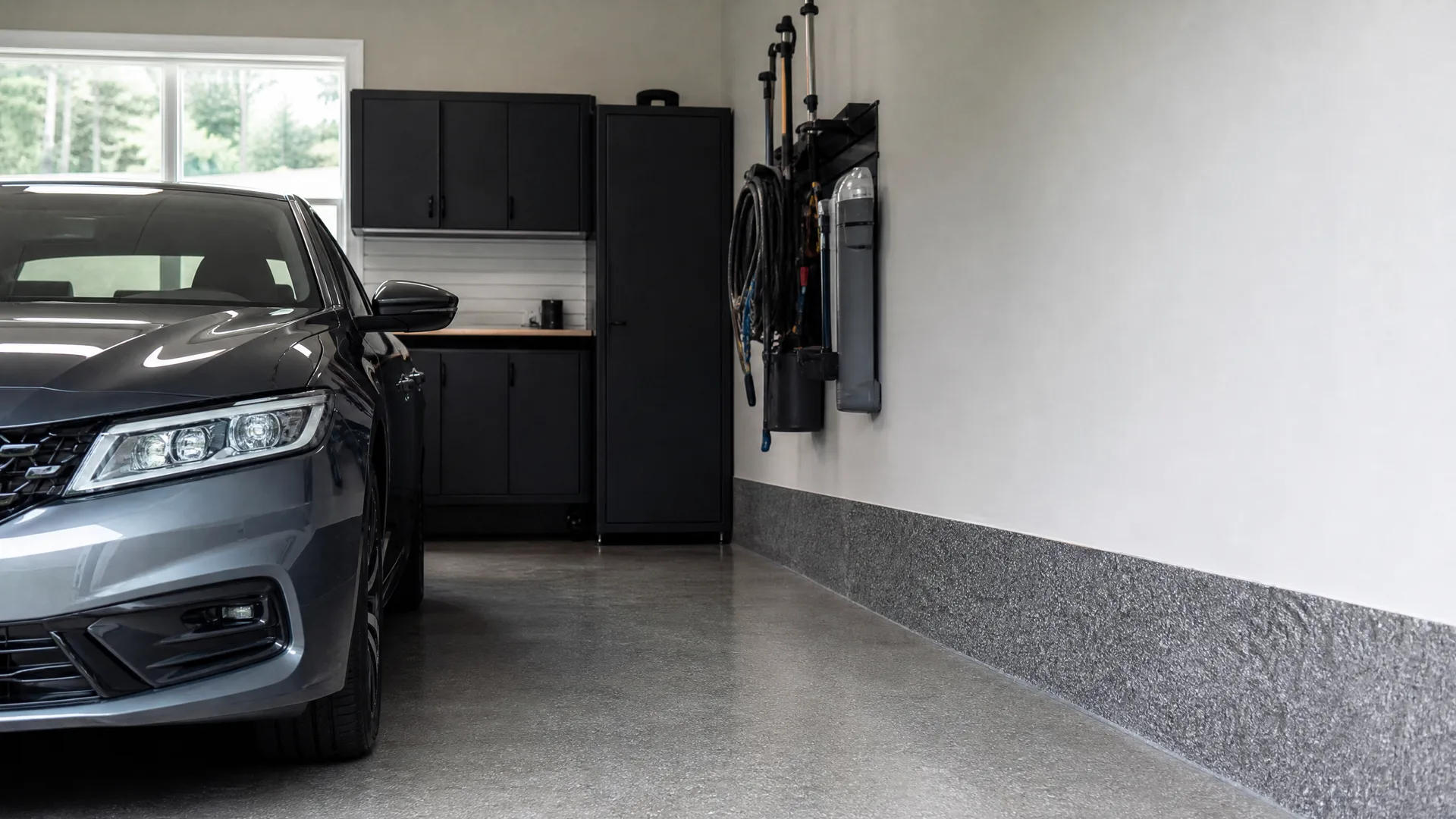
How much you drive and where the car spends its time matter too. A car that sits in a garage most of the week faces less risk than one parked on the street or driven on rural roads at dusk, where animal strikes are common. Less exposure can justify a leaner setup, but it doesn't erase the risk entirely.
If you've carried the same deductible for years without looking at it, it's worth checking whether it still matches your car's value and your comfort with risk. A deductible set decades ago for a different car may no longer fit.

What actually happens when you file a claim
The deductible is simply subtracted from the payout. If a hailstorm causes damage and the repair costs a certain amount, you pay your deductible and the insurer pays the rest, up to the car's value. You don't pay the deductible up front; it's deducted when the claim is settled.
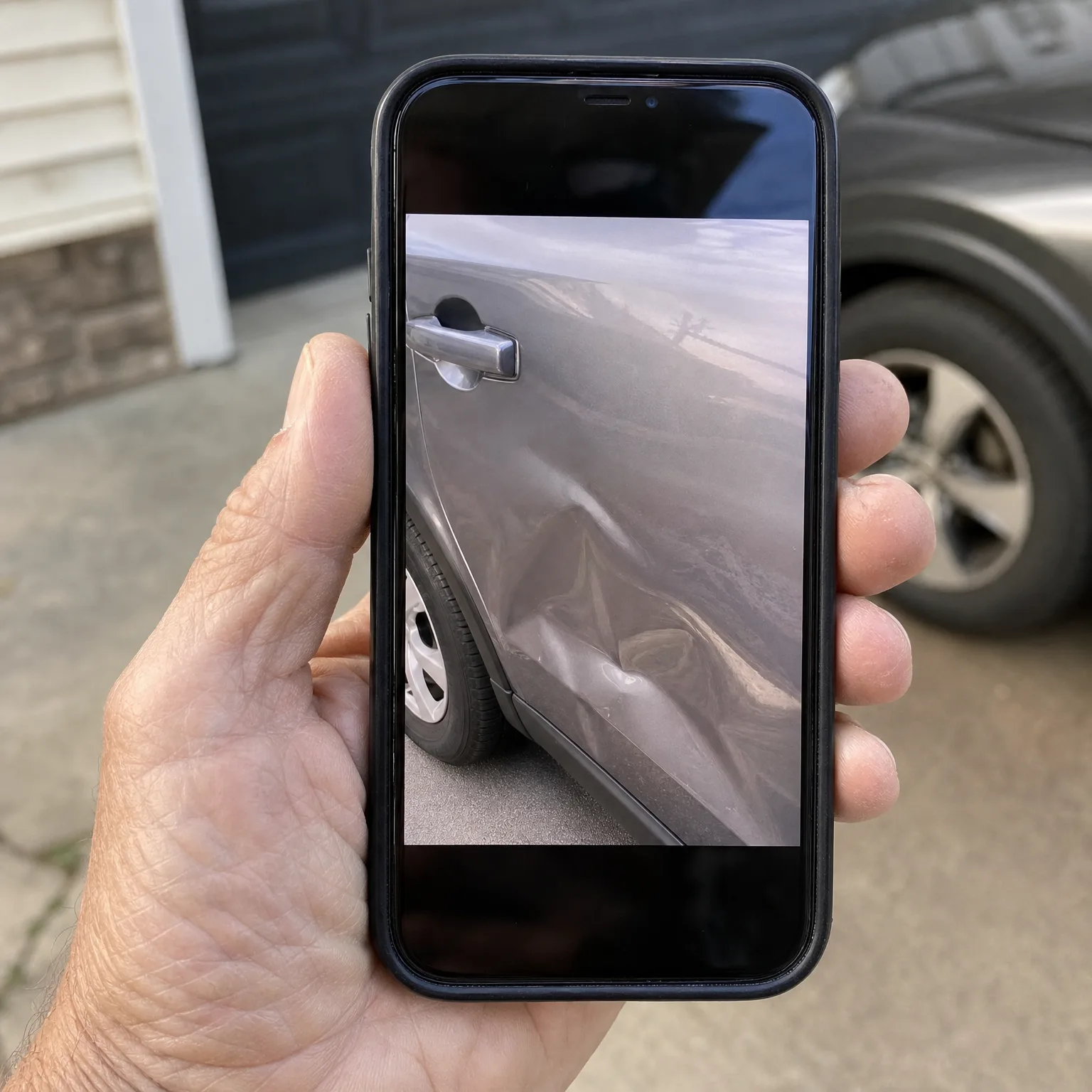
A typical claim starts with a call or online report describing what happened and when. An adjuster will often inspect the car or ask for photos, and for theft you'll likely need a police report. Have your policy number, the car's details and any documentation of the damage ready, since that speeds things along.
The payment covers repair costs or the car's value if it's totaled, but it doesn't cover anything you didn't ask about separately, like a rental car or lost time from your routine. If the damage is minor, it's worth comparing the repair cost to your deductible before filing, since a claim close to your deductible amount may not be worth reporting at all.
Comprehensive versus collision
Comprehensive coverage
This covers damage from events other than a crash with another vehicle, like weather, animals, theft and fire. It applies whether your car is parked or moving at the time.
Collision coverage
This covers damage from hitting another car or object, or from your car rolling over, regardless of who caused it. It has its own separate deductible.
If your car is older and you're weighing which coverage to drop first, collision is usually the one to question, since comprehensive tends to cost less and protects against risks you can't avoid by driving carefully.
Real situations
You're parked at church on a Sunday morning when a sudden hailstorm dents the hood and cracks the windshield.
This pays, since hail is a comprehensive claim and your deductible is subtracted from the repair cost.
A deer runs into the road at dusk on a county highway and you can't avoid it.
This pays, since an animal strike falls under comprehensive rather than collision.
You back into a post in a parking lot and dent the rear bumper.
This doesn't pay, since hitting a stationary object with your own car is a collision claim, not comprehensive.
Once you know whether to keep, adjust or drop this coverage, you can compare quotes with that decision already settled.
Questions people ask about this
Can I choose a different comprehensive deductible than my collision deductible?
Yes, the two deductibles are set separately and don't have to match. Some drivers set a lower comprehensive deductible since those claims, like glass or animal strikes, tend to involve smaller repair costs, while keeping a higher collision deductible to save on premium. Check your policy declarations page to see what each is currently set to.
Does comprehensive coverage go down as my car gets older?
The coverage itself doesn't change, but what it's worth to you does, since payouts are based on the car's current value, which declines with age. The premium may also drop over time as the insurer reassesses that value. It's worth revisiting the deductible and whether to keep the coverage at all as the car ages.
Is comprehensive coverage required by law?
This varies by state and also depends on whether you have a loan or lease on the car, since lenders typically require it regardless of state law. If your car is paid off, check your own policy and state rules to see whether it's optional for you. Many drivers keep it voluntarily even when it isn't required.
What happens to my deductible if I switch insurers?
Your deductible doesn't carry over automatically; the new policy sets its own terms based on what you choose or accept when you sign up. It's worth comparing the deductible options side by side rather than assuming the new policy matches your old one. Ask directly what comprehensive deductible options are available before you switch.
Should I drop comprehensive coverage on a car I still drive every day?
That depends more on the car's value and your savings than on how often you drive it, since comprehensive covers risks like theft and weather that happen whether the car is moving or parked. A car you rely on daily but that's worth very little may still not be worth insuring this way. Weigh what the car is worth against what you'd lose if it were suddenly gone.