Deductible on an Older Car
The deductible on an older car is the amount you pay out of your own pocket before your comprehensive or collision coverage pays the rest of a covered claim.
What the deductible applies to
Covers
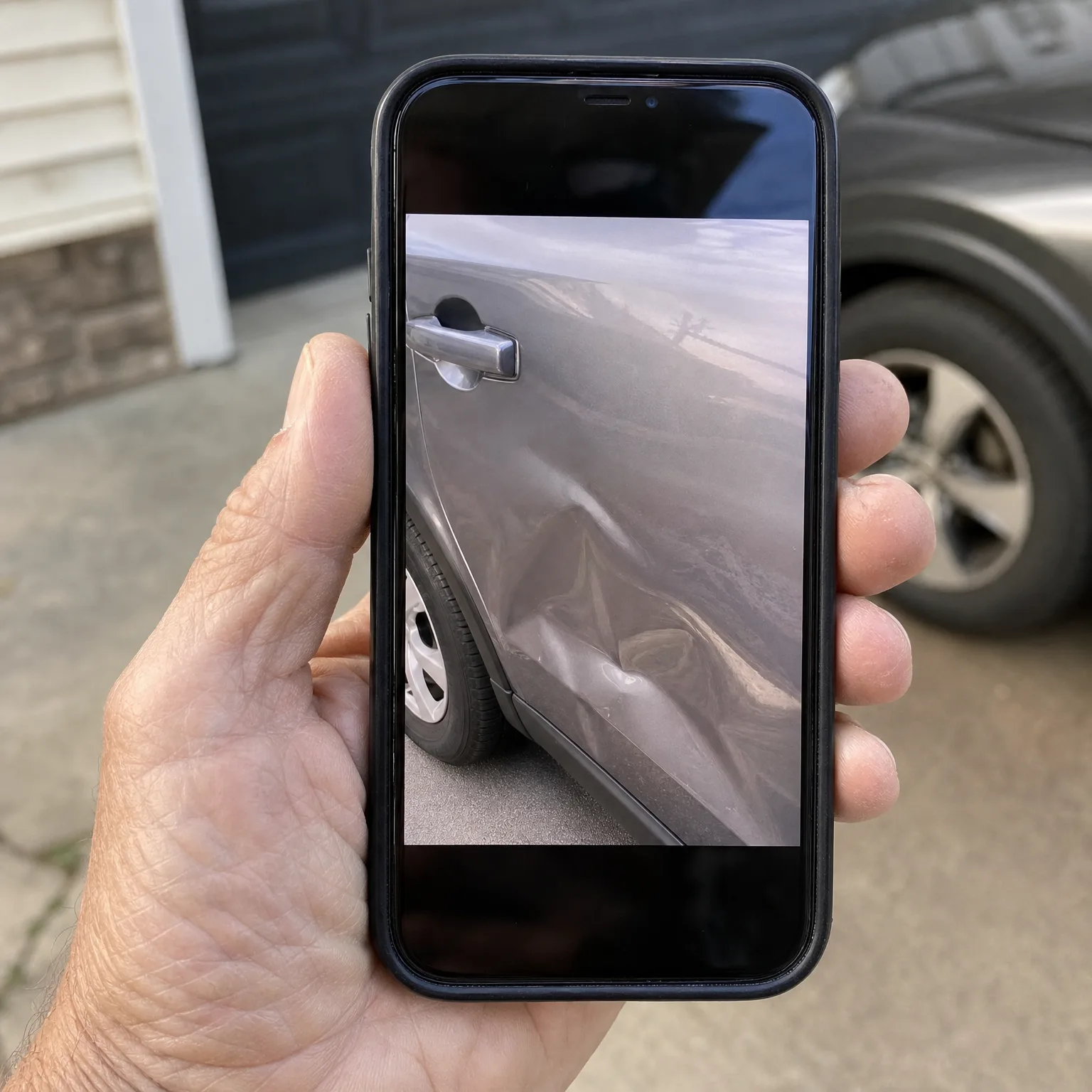
- Collision with another vehicle If you hit another car or object, your deductible is subtracted before the payment for repairs or a payout.
- Hitting an animal Deer and other animal strikes usually fall under comprehensive, and the same deductible rule applies before anything is paid.
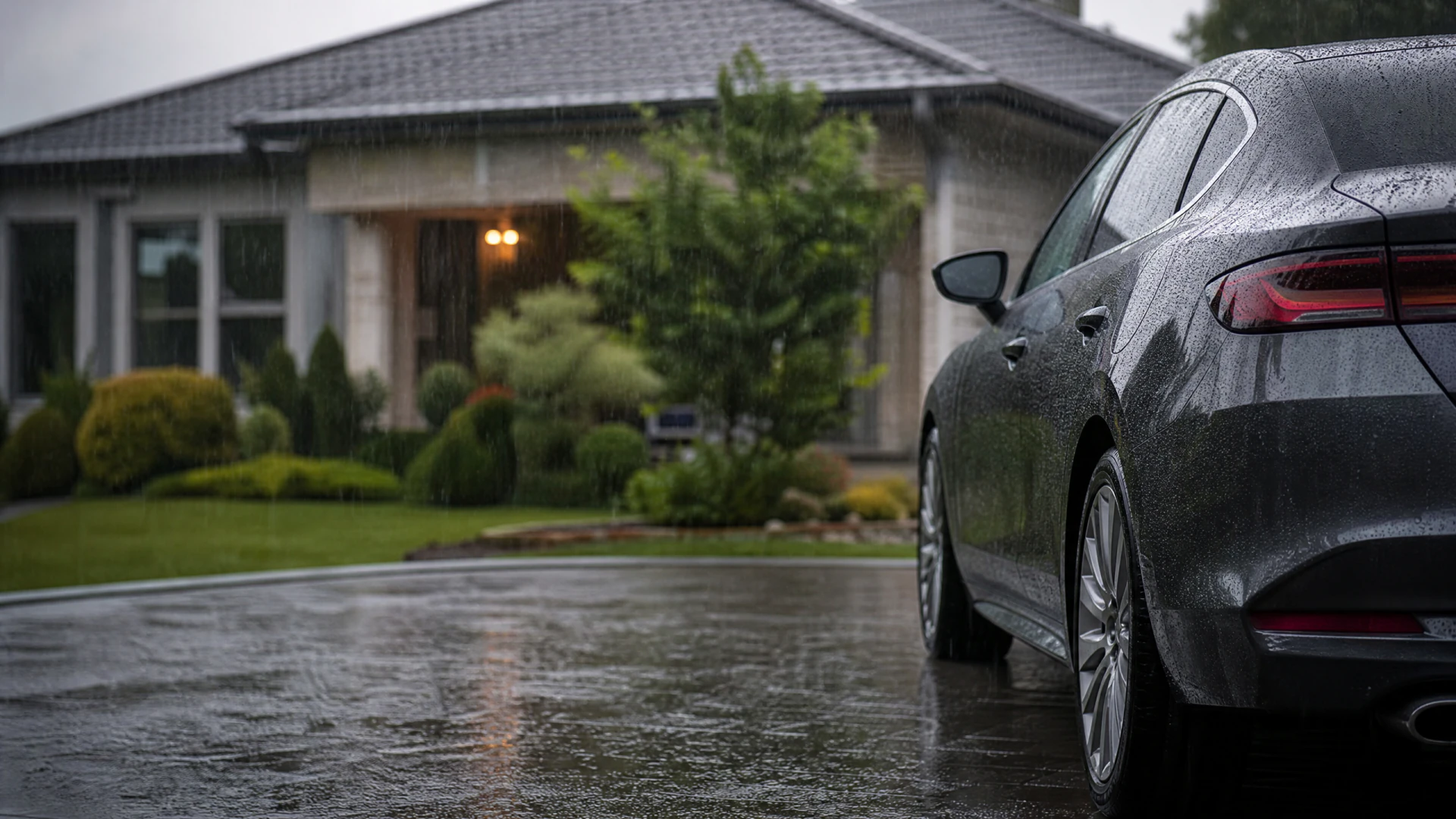
- Weather and falling objects Hail, flooding, a falling branch, these go through comprehensive and the deductible comes out of that payment too.
- Theft or vandalism If the car is stolen or damaged by vandalism, the deductible applies the same way before you see any money.
- Total loss payouts When the car is declared a total loss, the insurer pays its value minus the deductible, not the full value.
Doesn't cover
- Your medical bills The deductible applies to vehicle damage, not injuries. Medical payments or personal injury protection, where you carry it, handles that separately.
- The other driver's car If you're not at fault, the other driver's liability coverage typically pays for your car and your deductible may not apply at all.
- Routine wear and mechanical failure A worn-out transmission or a dead battery isn't a claim. The deductible only comes into play after a covered event, not ordinary breakdowns.
- Rental car costs after an accident If you need a replacement car while yours is repaired, that comes from separate rental reimbursement coverage, not the deductible.
- Diminished value after repair A car that's worth less after being repaired isn't addressed by the deductible. That loss generally isn't paid by this coverage at all.
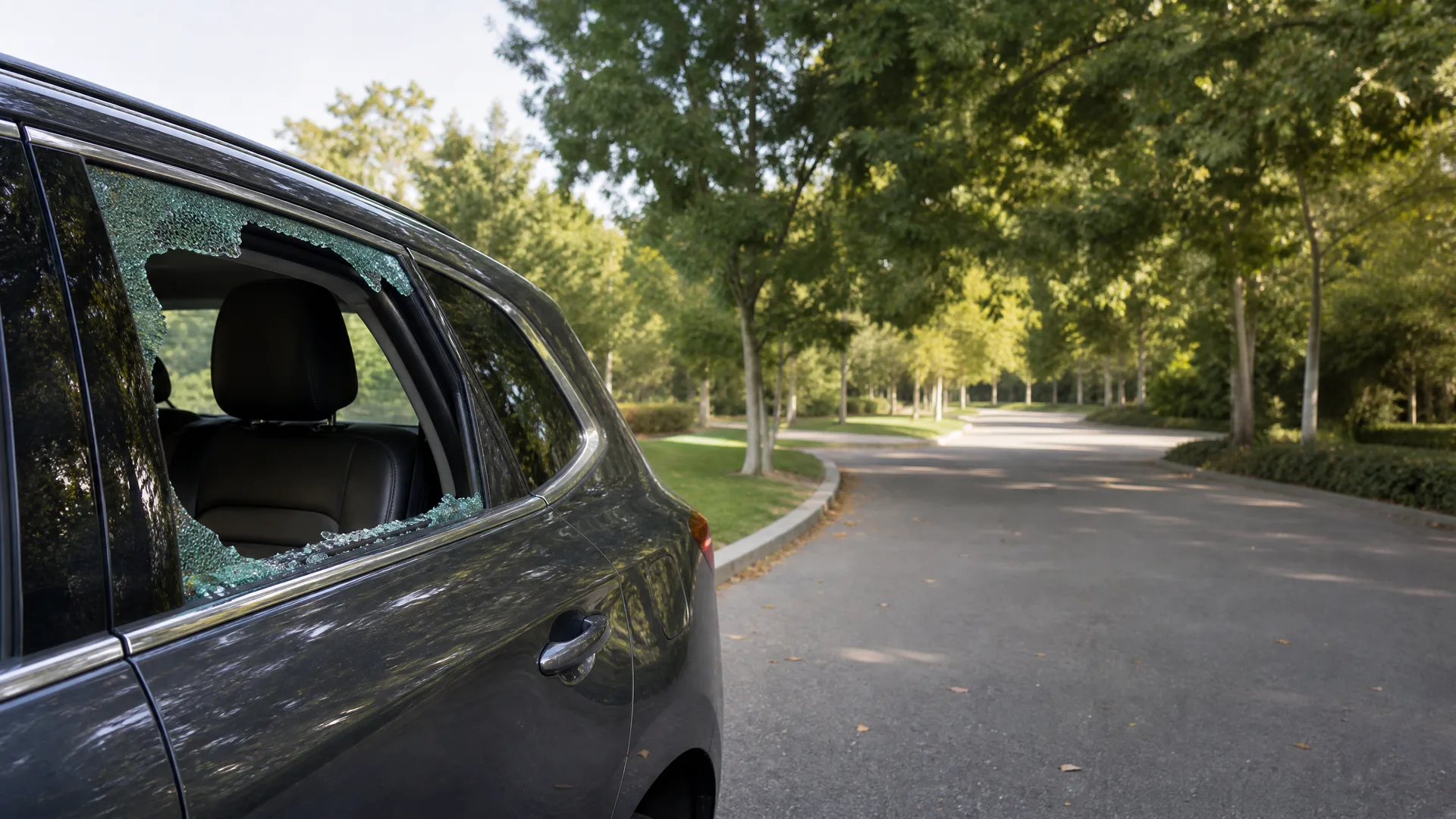
For many older cars, a high deductible or dropping this coverage entirely makes sense
Start with what the car is worth. If it's paid off and worth a modest amount, the most your comprehensive or collision coverage will ever pay is that value minus your deductible. Once you know that ceiling, you can judge whether the premium you're paying for it still makes sense against what you'd actually collect.
Think about what you could cover yourself. If a sudden repair bill or the loss of the car wouldn't strain your savings, a higher deductible lowers your premium with little real risk added. If covering that same bill would be hard, keeping the deductible lower or keeping the coverage at all buys you real peace of mind.
How much you drive and where the car sits matters too. A car driven rarely and parked in a garage faces less exposure to collisions, weather, and theft than one parked on the street and driven daily. Less exposure is one more reason a higher deductible, or even dropping the coverage, can be reasonable.
If the car is older and worth little, there's a point where the premium for comprehensive and collision costs more over time than the car could ever pay out. That's worth working out honestly with your own numbers before you renew out of habit.
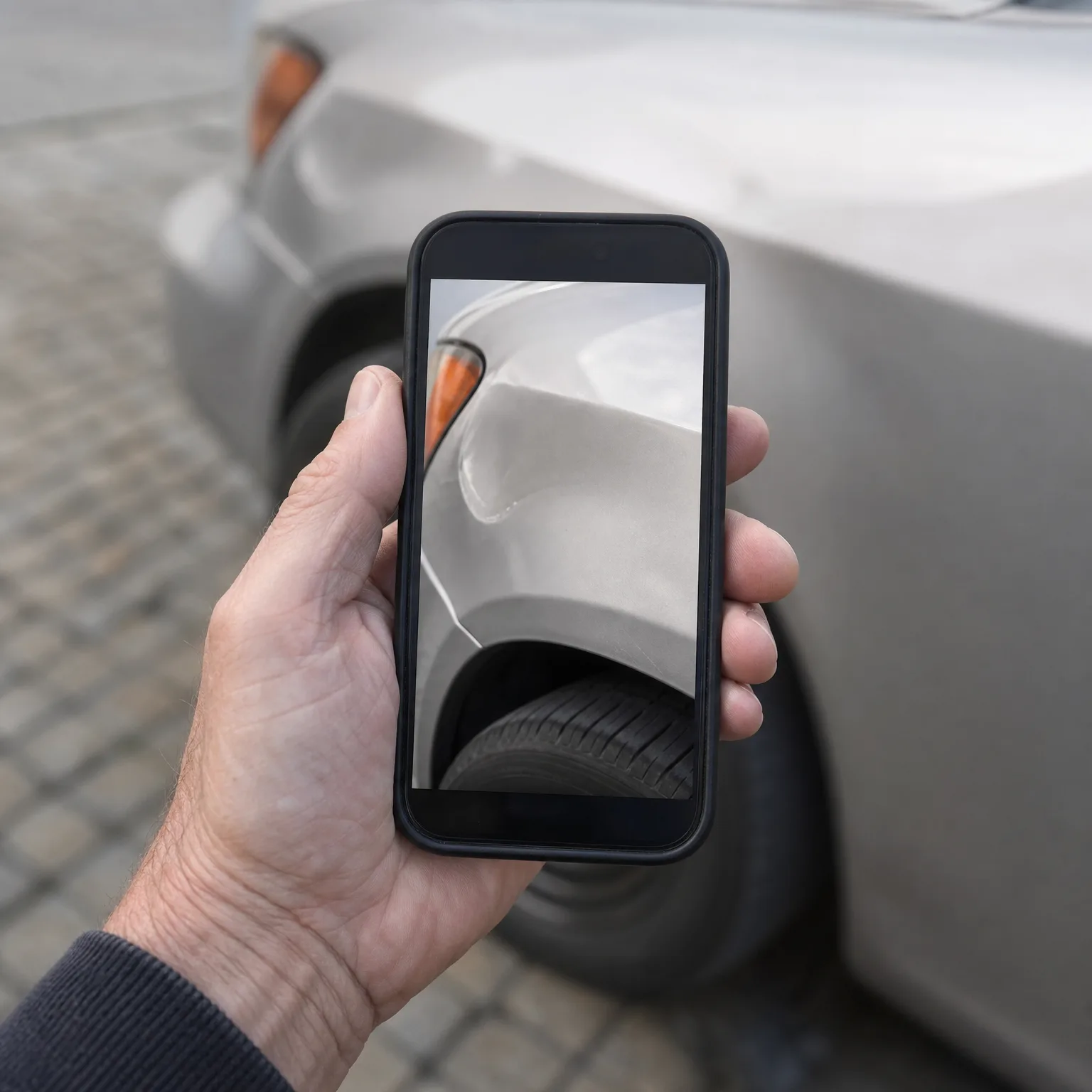
What actually happens when you file a claim
You report the damage, an adjuster or shop assesses it, and the repair cost or total loss value is calculated first. Your deductible is then subtracted from that amount, and the insurer pays you or the shop the remainder.
If the car is a total loss, the insurer determines what it was worth right before the damage happened, subtracts your deductible, and that's your payout. There's no separate deductible on top of that for a total loss, it's one subtraction.
Have your policy details, photos of the damage, and a written repair estimate ready when you file. If the car is older, ask the shop to document the pre-damage condition carefully, since the value question becomes more important the older and less common the car is.
The payment covers the vehicle itself. It doesn't cover your time, a rental car unless you carry that separately, or any sentimental value the car might have to you.
Comprehensive versus collision
Collision coverage
Collision pays for damage from hitting another vehicle or object, or from rolling over, regardless of who caused it. The deductible applies the same way, subtracted before payment.
Comprehensive coverage
Comprehensive pays for damage not caused by a collision, things like weather, animals, theft, and vandalism. It carries its own separate deductible, which can be set differently than your collision deductible.
If your car is older and rarely driven, some people keep comprehensive for weather and theft while dropping collision, since collision claims usually involve more driving exposure.
Real situations
You're parked at church during a hailstorm and the roof and hood end up dented.
This pays under comprehensive, with your deductible subtracted from the repair cost.
A deer runs into the road at dusk on a county highway and you can't avoid it.
This pays under comprehensive as an animal strike, again minus your deductible.
Your car's transmission fails after years of normal use and needs replacing.
This doesn't pay, mechanical wear isn't a covered claim regardless of your deductible.
Once you've decided how you want your deductible set on an older car, compare quotes with that number in mind so you're pricing the coverage you actually want.
Questions people ask about this
Can I have different deductibles for comprehensive and collision?
Yes, these are usually set separately on your policy. Many people set comprehensive lower, since weather and animal claims are common and smaller, while setting collision higher since those repairs tend to cost more anyway. Check your declarations page to see how yours are currently split.
Does my deductible go up after a claim?
No, the deductible amount itself doesn't change because you filed a claim. What can change is your premium at renewal, depending on your insurer's rules and whether the claim was your fault. Ask your agent directly how a claim might affect your rate before you file.
Can I change my deductible mid-policy?
In most cases you can ask to change it before your renewal rather than waiting, though some insurers only allow changes at renewal. Call and ask, since the answer depends on your specific insurer and state rules. There's usually no penalty for asking.
What happens if I can't afford my deductible after an accident?
The shop generally won't release the car until the deductible portion is paid, since the insurer only sends their share. Some shops will work out a payment arrangement directly with you. This is worth thinking through before you pick a deductible amount, not after.
Should I drop collision coverage on a car I still owe money on?
No, if you have a loan or lease, your lender almost certainly requires you to carry both comprehensive and collision until it's paid off. Once the car is paid off, the decision becomes entirely yours based on its value and your own finances.