Deductible on a Fixed Income
Your deductible is the amount you pay out of your own pocket before your comprehensive or collision coverage pays the rest of a covered claim.
What the deductible applies to
Covers
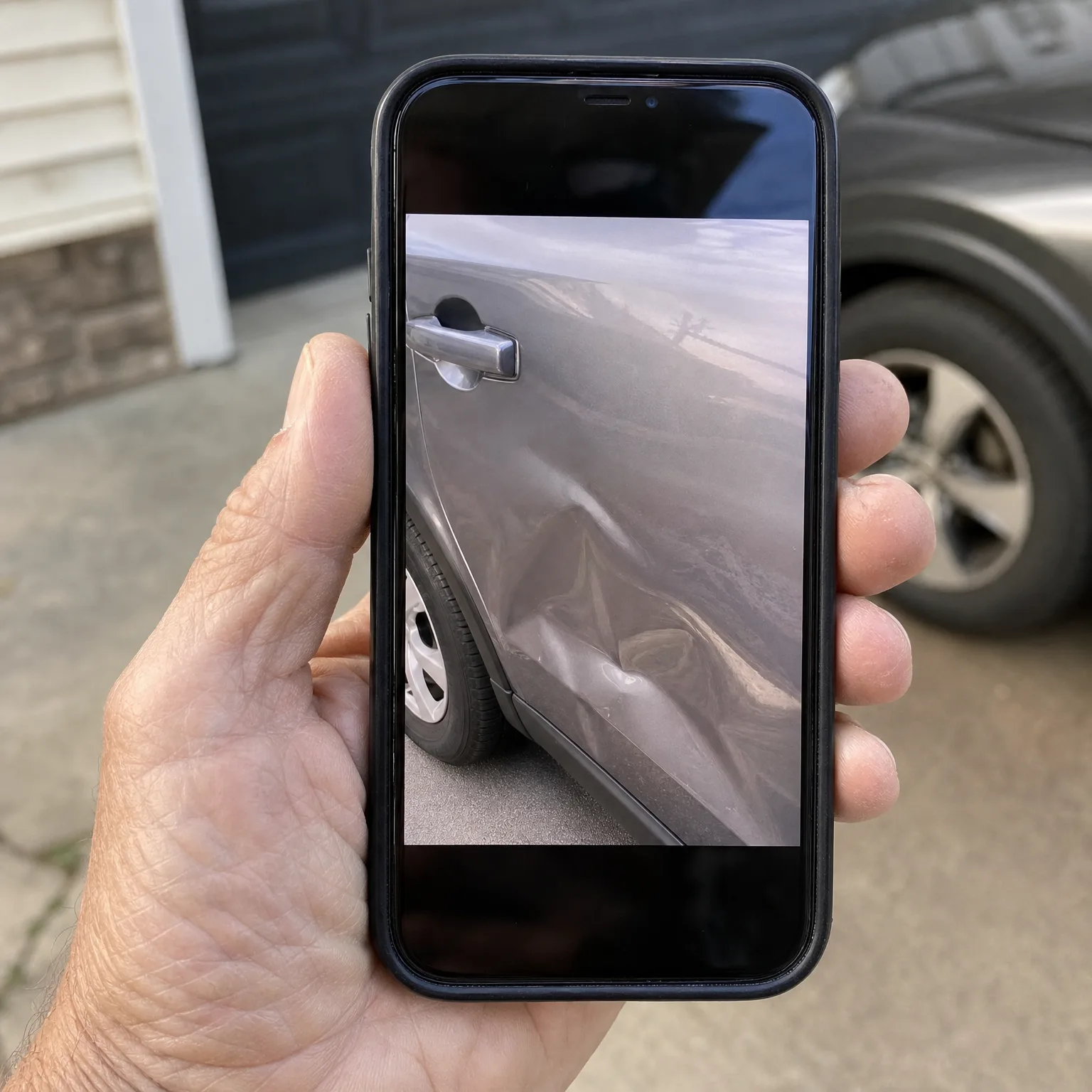
- Collision damage If you hit another car or an object, this is the amount subtracted from the repair bill before the insurer pays the remainder.
- Comprehensive damage Hail, fire, falling branches, animal strikes and similar events apply your comprehensive deductible before payment.
- Theft of the vehicle If the car is stolen, the payout is based on its value at the time, minus your deductible.
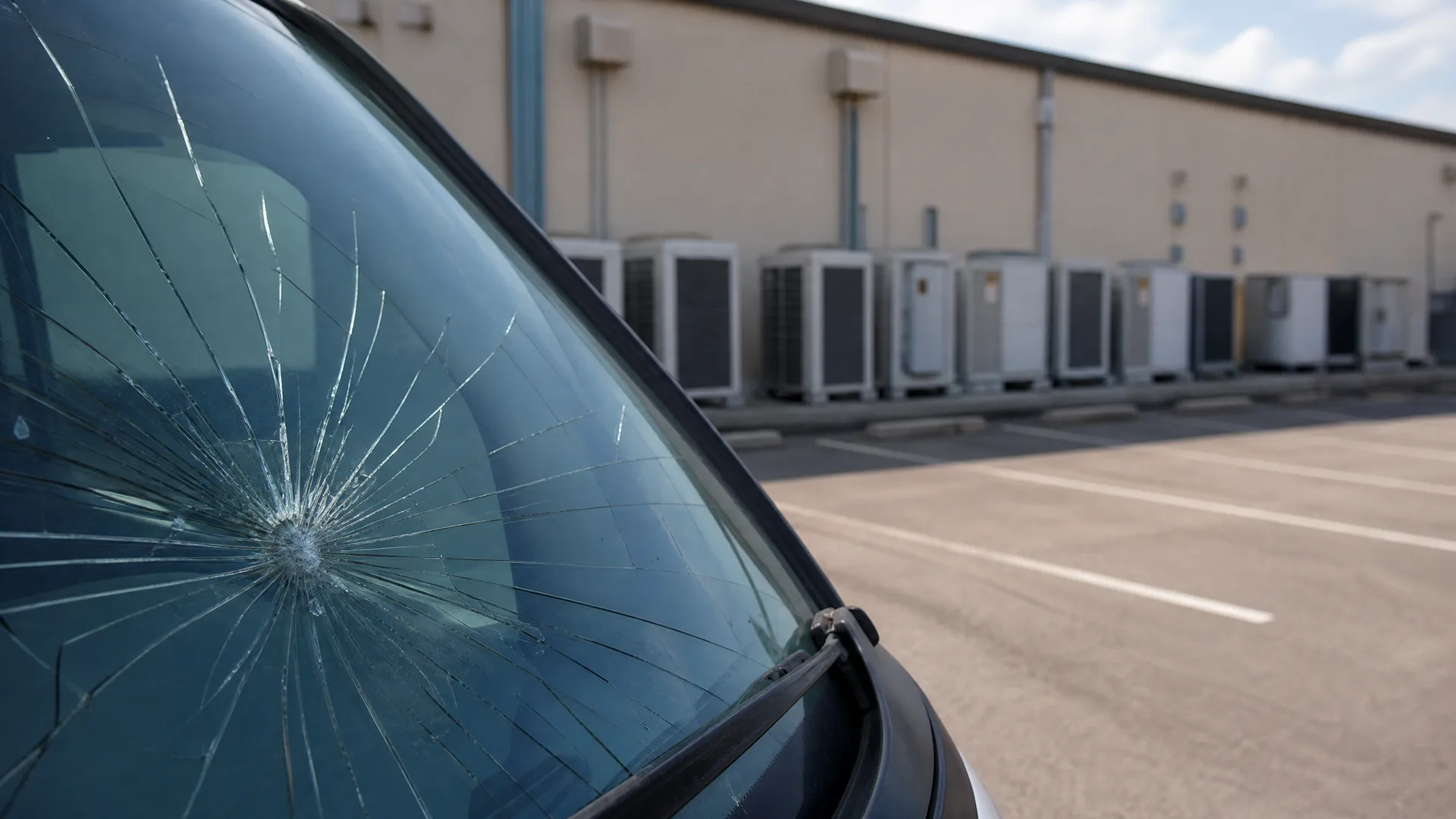
- Glass damage in some cases Depending on your policy, a cracked windshield may fall under comprehensive and carry the same deductible, or it may have its own separate one.
- Total loss settlements When the car is declared a total loss, the deductible is still subtracted from whatever the car was worth before the damage.
Doesn't cover
- Your medical bills Injuries from a crash are handled under medical payments, personal injury protection, or health insurance, not this deductible.
- The other driver's car If the crash was their fault, their liability coverage pays for your car, and your deductible shouldn't apply.
- Normal wear and mechanical failure A worn transmission or a battery that dies isn't a covered loss, so there's no deductible to pay because there's no claim.
- Rental car while yours is repaired That's a separate add-on with its own terms, and it isn't reduced by your collision or comprehensive deductible.
- Diminished value after a repair Some states allow claims for a car being worth less after an accident even when it's fixed well, but that's handled outside this deductible.

For many older drivers, a higher deductible is worth it, but not always
The math starts with what the car is worth. If you're driving a car that's paid off and worth a modest amount, the most comprehensive and collision can ever pay you is that value minus your deductible. A high deductible on a low-value car can shrink the payout to the point where carrying that coverage barely matters.
The next question is what you could absorb from savings without strain. A higher deductible lowers your premium, but it means paying more yourself when something happens. If covering that amount from your own funds wouldn't bother you, raising the deductible is usually a sound trade. If it would mean dipping into money set aside for other things, a lower deductible or even dropping the coverage entirely deserves a hard look.
How much you drive matters too. If you're putting on fewer miles than you used to, your exposure to a collision claim drops, which strengthens the case for a higher deductible or lighter coverage overall.
Where the car sits at night also shapes the comprehensive side. A car kept in a garage faces less risk from hail, falling limbs, or theft than one parked on the street, and that changes how much that part of the coverage is likely to ever pay out.

How a claim actually plays out
When you file a covered claim, the insurer estimates the cost of repair or the value of the car if it's a total loss, then subtracts your deductible from that amount before sending payment. You pay the deductible once per claim, not once per year, so a series of separate incidents means paying it each time.
For a repair, you'll usually pay your share directly to the shop, or it gets settled against the final bill, depending on how your insurer handles it. For a total loss, the deductible comes out of the settlement check, so you receive the car's value minus that amount.
Have your policy number, a description of what happened, and any photos ready when you call. If a police report was filed, have that too. The insurer will ask when and where it happened and whether anyone else was involved, so it helps to write those details down while they're fresh.

Deductible vs. liability coverage
Collision and comprehensive deductible
This applies to damage to your own car, whether from an accident, weather, or theft. You choose the deductible amount, and it directly affects your premium.
Liability coverage
This pays for damage or injury you cause to others, and it has no deductible at all. It's required almost everywhere, though minimum amounts vary by state.
If your car is worth little and you drive conservatively, lean toward a higher deductible or dropping collision and comprehensive, but liability coverage is the part you should never thin out.
Real situations
A hailstorm hits while your car is parked outside during a Sunday service, leaving dents across the hood and roof.
This pays under comprehensive, minus your deductible, since hail is a covered weather event.
A deer crosses a county road at dusk and you can't stop in time, damaging the front of the car.
This pays under comprehensive in most policies, since animal collisions are typically treated separately from at-fault crashes.
Your car's transmission finally gives out after years of use, and it needs a costly repair.
This doesn't pay, because mechanical failure from age and wear isn't a covered loss under either comprehensive or collision.
Once you've decided how you want your deductible set, compare quotes with that number in mind so you can see how it actually moves your premium.
Questions people ask about this
Can I have a different deductible for comprehensive and collision?
Yes, most policies let you set them separately. Some people choose a lower comprehensive deductible since those claims tend to be weather or theft related and harder to predict, while raising the collision deductible if they drive carefully and rarely. Check your declarations page to see what you currently have for each.
Does my deductible go up as I get older?
No, age doesn't change your deductible on its own. Your deductible stays whatever you set it at until you request a change, though your premium may shift over time based on other factors your insurer reviews.
What happens to my deductible if I'm not at fault?
If the other driver is clearly at fault, their liability coverage should pay for your damage and your deductible typically doesn't apply. If fault is unclear or the other driver has no insurance, you may need to file under your own collision coverage first, pay your deductible, and your insurer may pursue reimbursement afterward.
Should I drop collision coverage on an older paid-off car?
It depends on what the car is worth and what you could afford to replace if it was totaled. If the value is low enough that the payout after your deductible wouldn't amount to much, some drivers choose to drop collision and comprehensive and keep only liability, putting the premium savings toward a replacement fund instead.
Will filing a claim and paying my deductible raise my rates?
It can, depending on the type of claim and your insurer's rules. A not-at-fault claim, like a deer strike, often affects rates less than an at-fault collision. It's worth asking your agent directly how a specific type of claim is likely to affect your policy before you file.