Deductible for Animal Collisions
This is the amount you pay out of pocket before comprehensive coverage pays for damage your car suffers from hitting an animal.
What this deductible applies to
Covers
- Deer and large wildlife strikes If you hit a deer, elk, or similar animal, your deductible is what you owe before coverage picks up the rest of the repair.
- Smaller animal collisions Hitting a dog, raccoon, or other smaller animal on the road falls under the same deductible if it causes damage.
- Livestock on the road A collision with a cow or horse that's wandered onto the road is treated the same way as wildlife.
- Damage from swerving to avoid an animal If you swerve and hit a tree or guardrail instead of the animal, that usually falls under this same deductible, not a separate one.
- Repeat incidents Each animal collision is its own claim with its own deductible, there's no discount for it happening more than once.
Doesn't cover
- Hitting another car That's a collision claim with its own separate deductible, not this one.
- Damage to the animal itself This pays for your car, not the animal, and there's no coverage here for veterinary costs or liability to an owner.
- Mechanical breakdowns A belt or hose failing on its own isn't an animal collision, even if it happens on the same drive.
- Medical bills from the crash Your own injuries are handled under medical payments or health coverage, not this deductible.
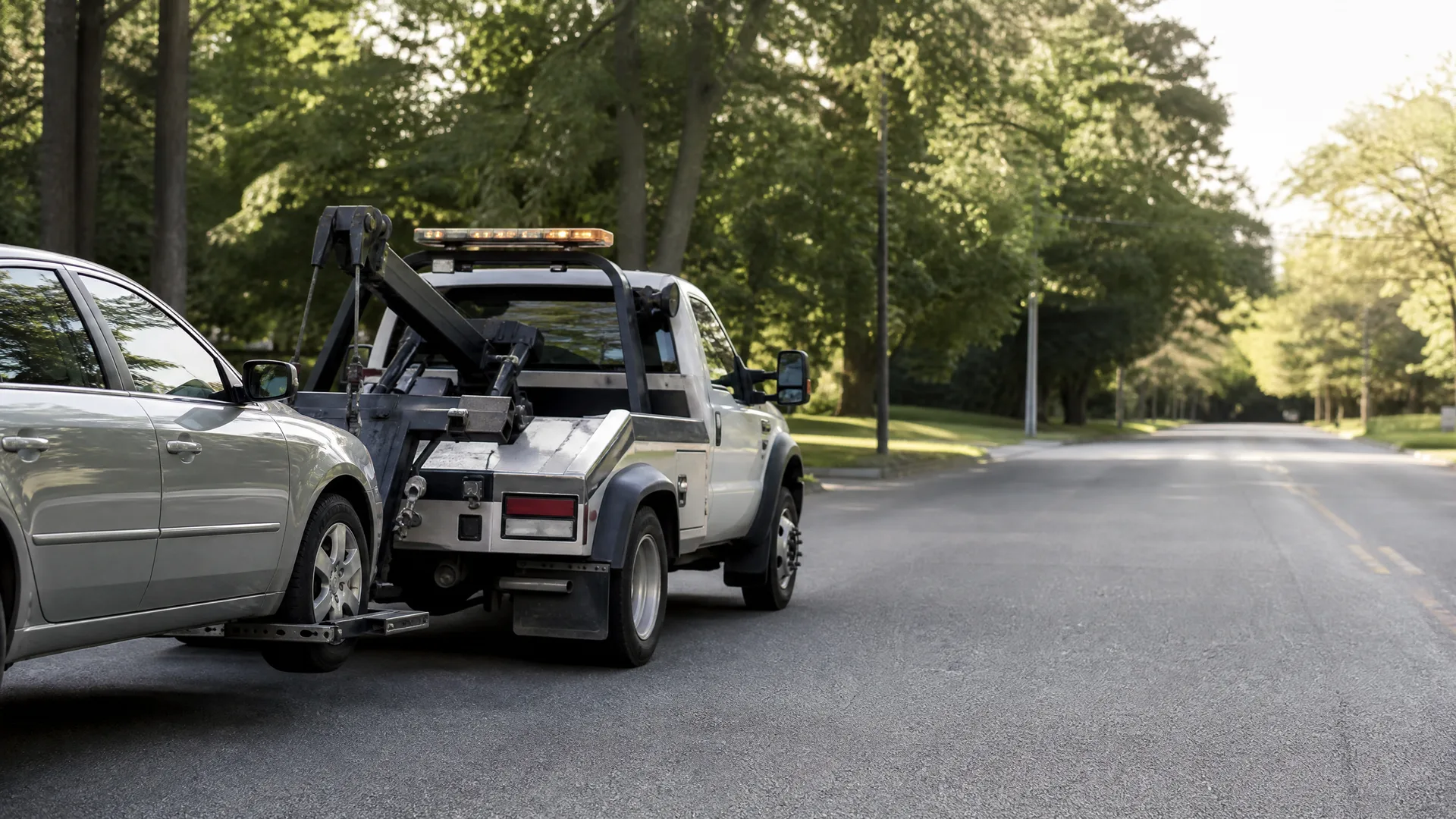
- Towing after the collision That's a separate coverage line if you have it, and it isn't folded into this deductible.
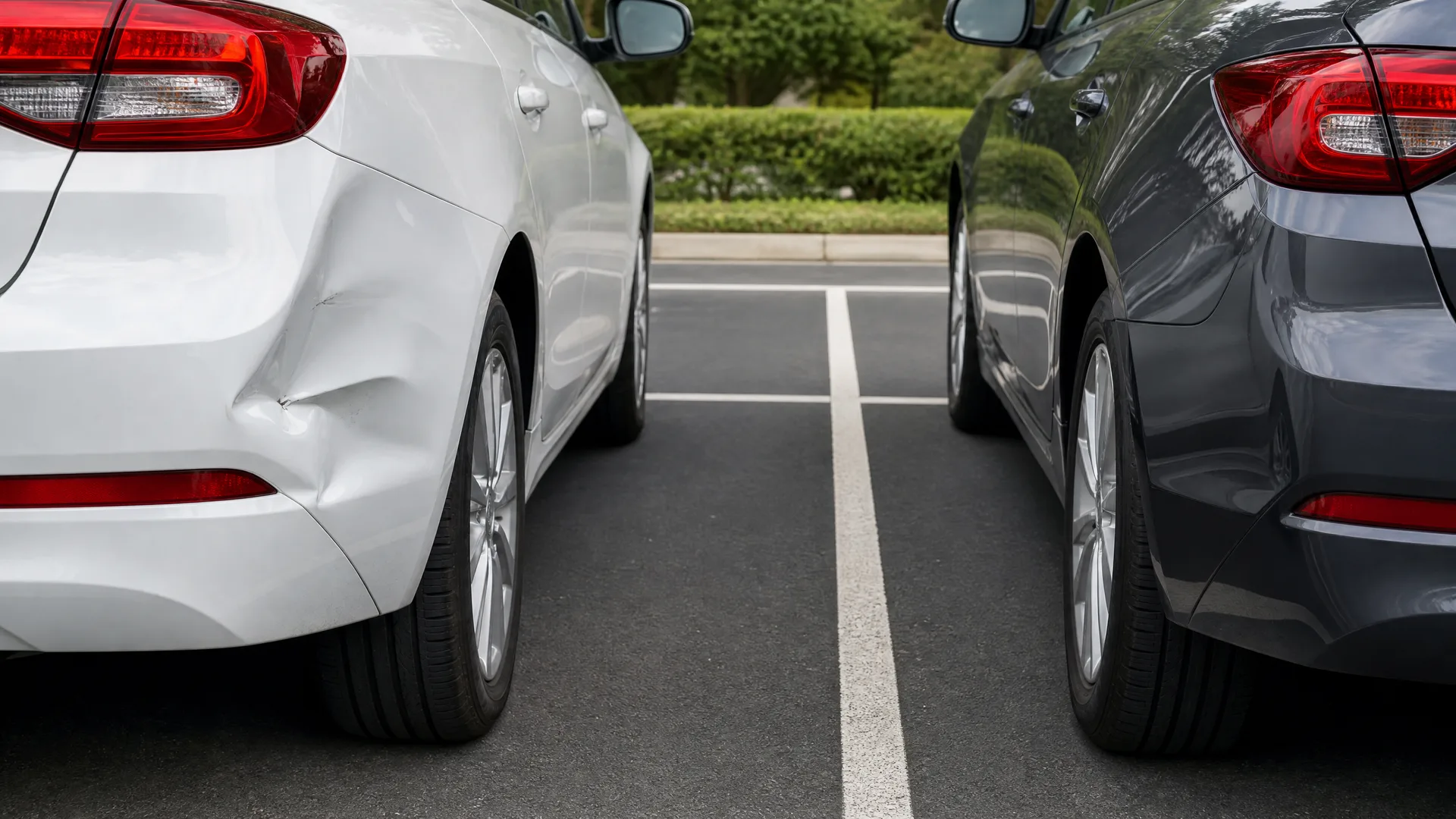
For most older drivers still on the road, this is worth keeping
The math here usually comes down to what your car is worth and what a sudden repair bill would do to your savings. If the car is paid off and worth a modest amount, a lower deductible means a bigger share of any repair gets covered, which matters if you'd rather not dip into savings for it.
How much you drive and where matters too. Someone who still drives rural roads at dusk, where deer are common, faces a real chance of this happening at some point. Someone who mostly drives short trips in town during daylight faces much less of that risk, even if they keep the coverage anyway for peace of mind.
Where the car sits overnight plays a role as well. A garage doesn't stop a deer strike on the road, but it does reduce other risks that often ride along with this same coverage, like a loose dog or falling tree limb while parked.
If you could comfortably cover a repair bill yourself without much strain, a higher deductible lowers what you pay for the coverage while still protecting you against a true total loss. If a surprise repair bill would be a real hardship, a lower deductible is worth paying for, even on an older car.
How a claim actually goes
You pay your deductible first, and the coverage pays the rest of the repair cost, up to what your car is worth. If the repair costs less than your deductible, there's nothing for the coverage to pay and you simply cover it yourself.
After a collision with an animal, you report it like any other claim. An adjuster or an estimator looks at the damage, and if the animal is still on the road or caused a safety hazard, that's worth noting when you report it, since it can support what happened.
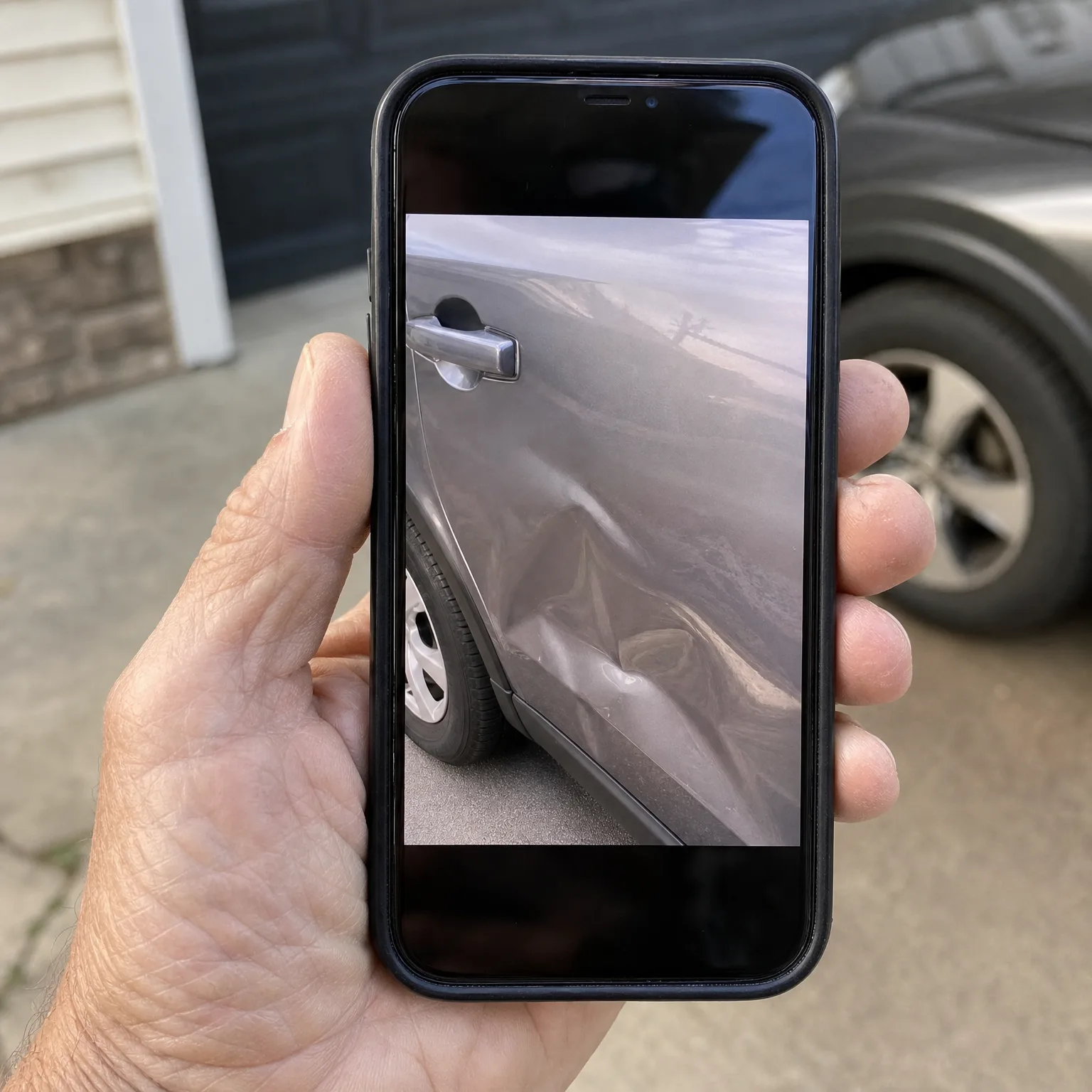
Have your policy details on hand, along with photos of the damage and the scene if you were able to take them safely. A police report helps too, especially for larger animals or significant damage, and some drivers call it in out of habit even for a minor scrape.
If the damage costs more to fix than the car is worth, the payout is based on the car's value instead of the repair estimate, and the car is typically declared a total loss.
Animal collision coverage vs. collision coverage
Comprehensive coverage (includes animal collisions)
This pays for damage to your car from things other than a crash with another vehicle, including animal strikes, falling objects, fire, and theft. It has its own deductible, separate from collision.
Collision coverage
This pays for damage to your car from hitting another vehicle or an object like a guardrail or tree, regardless of fault. It has its own separate deductible and is the one that applies if you swerve and hit something other than the animal.
If you only keep one of the two, think about which kind of damage worries you more, but most drivers who carry one carry both since they work together rather than overlap.
Real situations
You're driving a county road at dusk and a deer runs into your path. You can't avoid it and your front end is damaged.
This pays, after your deductible, since it's a direct animal collision.
A dog runs into the street and you swerve to miss it, clipping a mailbox and denting your fender.
This still pays, since the collision happened while avoiding an animal, though some insurers may classify it slightly differently, so it's worth checking your policy wording.
Your car is parked in the driveway and a tree branch falls on it during a storm.
This pays too, since falling objects fall under the same comprehensive coverage, just not under this specific deductible line for animals.
Once you know whether you want to keep this coverage as is, raise the deductible, or drop it, you're ready to compare quotes with that decision already made.
Questions people ask about this
Does hitting a deer raise my insurance rates?
Often it doesn't raise rates the way an at-fault crash does, since it's filed under comprehensive coverage rather than collision. Insurers vary in how they treat these claims, so it's worth asking yours directly. A pattern of repeated claims could still affect things over time.
What happens if I hit an animal and don't have this coverage?
You'd pay for the repair yourself, since there would be no coverage to apply. This is one of the main reasons drivers choose to keep comprehensive coverage even on an older car. Check your policy to see whether you carry comprehensive at all.
Is comprehensive coverage required by law?
No, it's not required by law anywhere, though a lender may require it if you're still financing the car. Once a car is paid off, carrying it becomes entirely your choice. Whether it's offered and how it's structured can vary by state, so check your own policy.
Should I report hitting a small animal if there's barely any damage?
That's your choice, since minor damage below your deductible wouldn't result in a payout anyway. Some drivers still report it for their records. If there's any visible damage at all, it's worth a quick look from a mechanic even if you don't file a claim.
Does this coverage pay to repair the car or replace it?
It depends on the damage. If repair costs are reasonable compared to the car's value, it pays for repairs. If the car is badly damaged relative to its worth, it's typically declared a total loss and you're paid based on the car's value instead.