Collision Deductible for Seniors
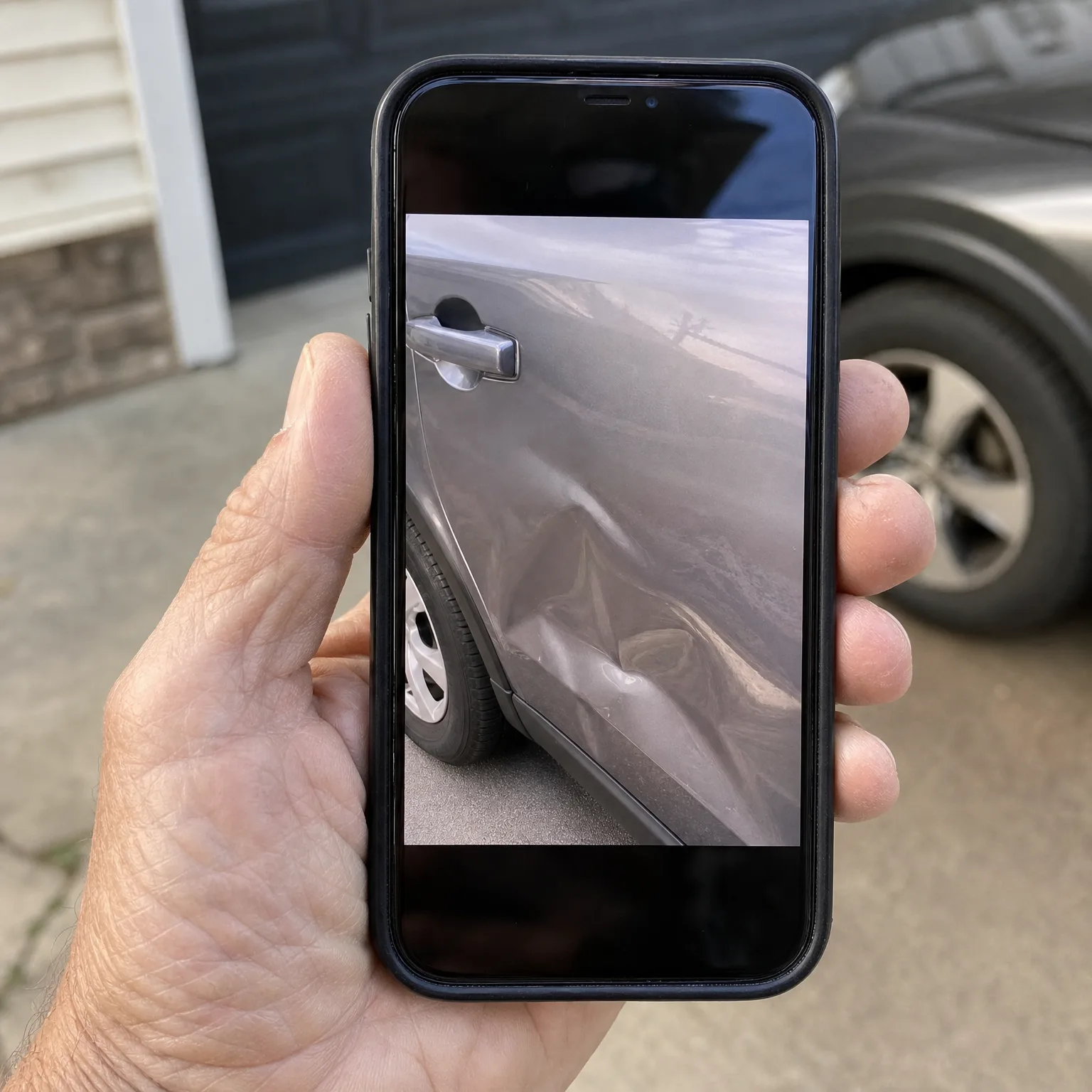
Collision deductible is the amount you pay out of pocket before your collision coverage pays the rest of the cost to fix or replace your car after a crash.
What collision coverage pays for once the deductible is met
Covers
- Collision with another car If you hit another vehicle or it hits you, collision coverage pays for your car's damage regardless of who caused it.
- Single-car accidents Sliding into a ditch, hitting a guardrail, or backing into a post is covered as long as your car did the damage.
- Hitting a fixed object Mailboxes, fences, light poles and garage doors count, and the repair bill falls under this coverage.
- Potholes and road damage If hitting a pothole bends a wheel or damages the undercarriage, that's treated as a collision claim.
- Rollovers If the car flips or rolls as part of an accident, the damage is covered the same way a crash would be.
Doesn't cover
- Hail, storms, flooding Weather damage falls under comprehensive coverage, not collision, so it has its own separate deductible.
- Hitting a deer or animal Animal strikes are classified as comprehensive claims even though the damage looks the same as a crash.
- Theft or vandalism A stolen car or keyed paint job is a comprehensive matter, not a collision one.
- Your medical bills Injuries to you or your passengers are handled through medical payments, personal injury protection, or health insurance, not collision.
- Mechanical breakdowns A failing transmission or dead battery isn't an accident, so collision coverage has nothing to do with it.
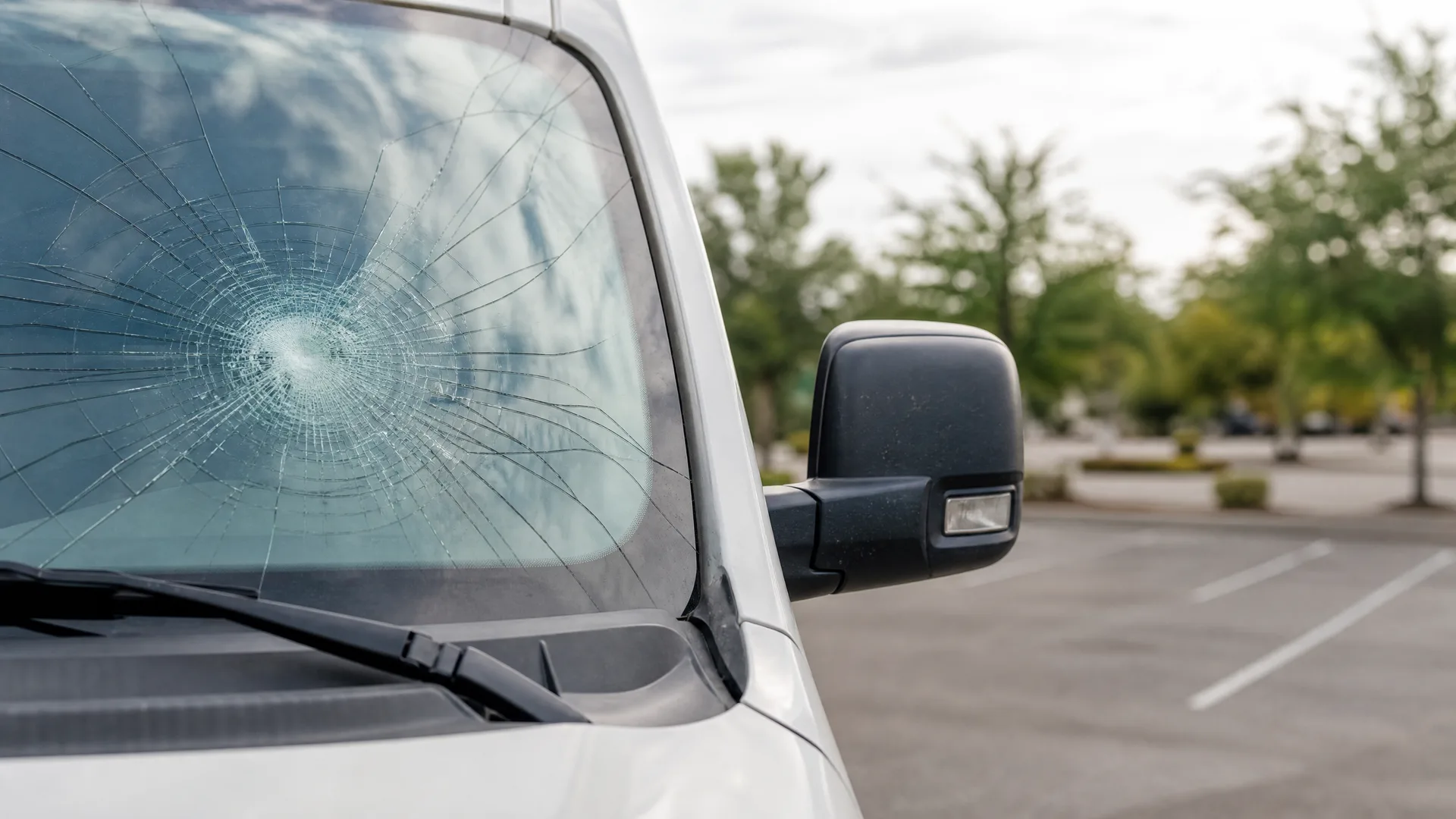
For a lot of older drivers, it's worth keeping but worth adjusting
The math changes with the car, not with your age. If the car is older and worth little, a single repair bill could cost more than the car is worth, which makes the coverage less useful no matter how carefully you drive. If the car is newer, paid off, or still has a loan on it, replacing or repairing it out of pocket gets expensive fast, and that's exactly what this coverage exists for. Look at what you have in savings you could comfortably hand over if a repair bill came in. If that number is close to or larger than what the car is worth, you may be paying for protection you don't really need. If a large unexpected bill would strain things, keeping the coverage, maybe with a higher deductible to lower the premium, often makes more sense than dropping it outright. How much you drive and where the car sits matter too. A car driven daily on busier roads carries more risk than one parked in a garage and driven occasionally to appointments or church, and that's worth weighing honestly rather than guessing.
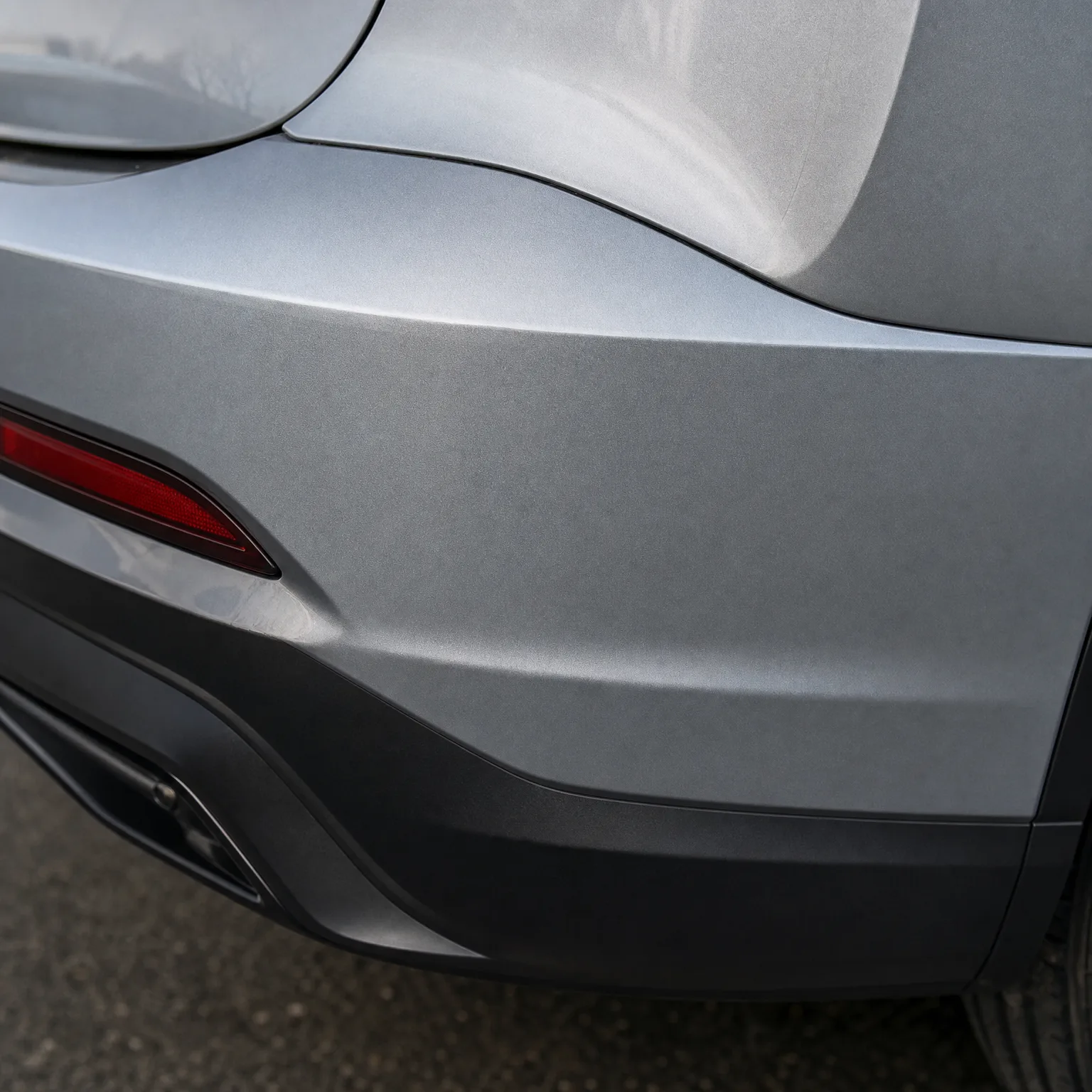
What actually happens when you file a claim
The deductible is the part you pay first. If your car is damaged in an accident, you get repair estimates, and the insurer pays the cost of repair minus your deductible. If the car is totaled, meaning repairs would cost more than the car is worth, the insurer pays you the car's value minus the deductible instead of paying for repairs. Have your policy details, the other driver's information if there was one, and any police report ready when you call, since that speeds up how quickly the claim moves. The payout covers the vehicle's damage only. It won't cover a rental car unless you added that coverage separately, and it won't cover anything beyond what the car was worth right before the accident, even if you still owe more than that on a loan.
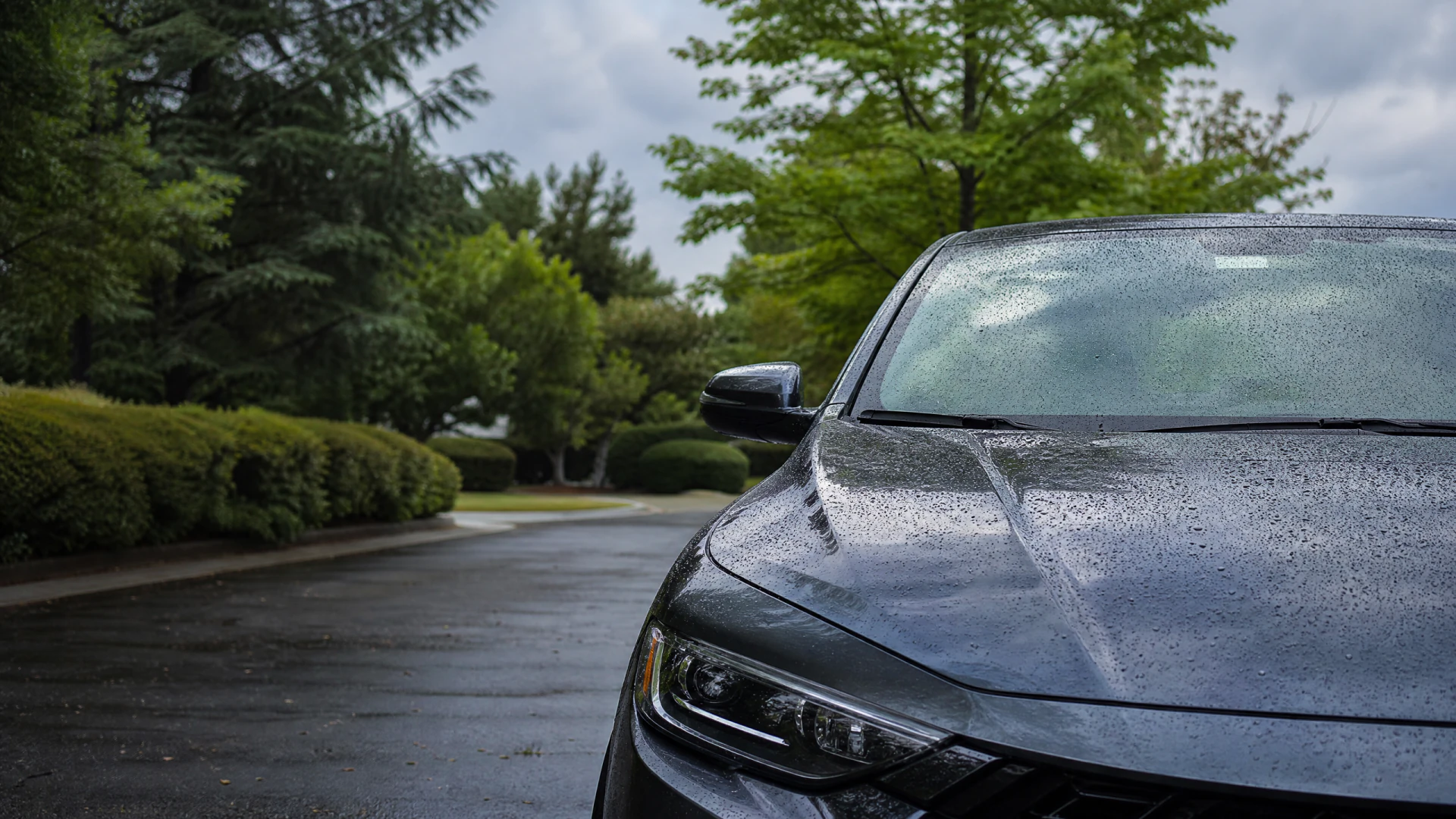
Collision deductible versus comprehensive coverage
Collision
Collision pays for damage from crashes, whether you hit another vehicle, a fixed object, or roll the car on your own. It applies regardless of who's at fault.
Comprehensive
Comprehensive pays for damage that isn't from a crash, including weather, fire, theft, vandalism, and hitting an animal. It carries its own separate deductible, which can be set differently from your collision deductible.
If you're trying to decide where to adjust your deductible to manage cost, think about which risk worries you more, road accidents or the things that happen to a parked or stored car, since the two coverages protect against very different situations.
Real situations
You're driving home at dusk on a county road and a deer runs into your path, damaging the front of your car.
This doesn't pay because animal strikes fall under comprehensive coverage, not collision.
You back out of a parking space at the pharmacy and clip a concrete post, denting the rear bumper.
This pays, since hitting a fixed object while driving is a standard collision claim.
A hailstorm hits while your car is parked outside during a church service, leaving dents across the hood and roof.
This doesn't pay because weather damage to a parked car is a comprehensive claim, not a collision one.
Once you know whether you want to keep this coverage, adjust the deductible, or drop it, you're ready to compare quotes with that decision already made.
Questions people ask about this
What deductible amount should I pick for collision coverage?
There's no single right amount, it depends on what you could comfortably pay out of pocket if you needed to. A higher deductible usually lowers your premium but means you pay more before coverage kicks in, so check what you have set aside for an unexpected repair before choosing. A lower deductible costs more over time but softens the blow if an accident happens.
Does collision coverage follow the car or the driver?
It follows the car listed on the policy, not the person driving it. If someone else drives your car with your permission and has an accident, your collision coverage and deductible typically apply. Check your specific policy since permitted-use rules can vary.
Can I drop collision coverage if my car loan is paid off?
Yes, once there's no loan or lease requiring it, you're free to drop collision coverage if you choose to. Whether you should depends on what the car is worth and what you could afford to repair or replace on your own. Lenders usually require this coverage while a loan exists, but that requirement ends once the car is paid off.
Will my premium go up if I file a collision claim?
It's likely, since insurers generally view filed claims as an increased risk and price accordingly going forward. How much it changes varies by policy and by your claims history, so it's worth checking with your provider about how a claim would affect your specific rate. Some policies offer forgiveness for a first claim, so check if yours does.
What happens if the other driver was at fault but I use my own collision coverage?
Your insurer pays your claim and then usually attempts to recover the cost from the at-fault driver's insurer through a process called subrogation. If they succeed, you may get your deductible back. This varies by situation, so ask your insurer how they handle recovery and deductible reimbursement.