Separate Deductibles for Hail and Wind
A separate hail and wind deductible means your policy sets apart hail and windstorm damage from other comprehensive claims and charges its own deductible when that specific kind of damage happens.
What this deductible applies to
Covers
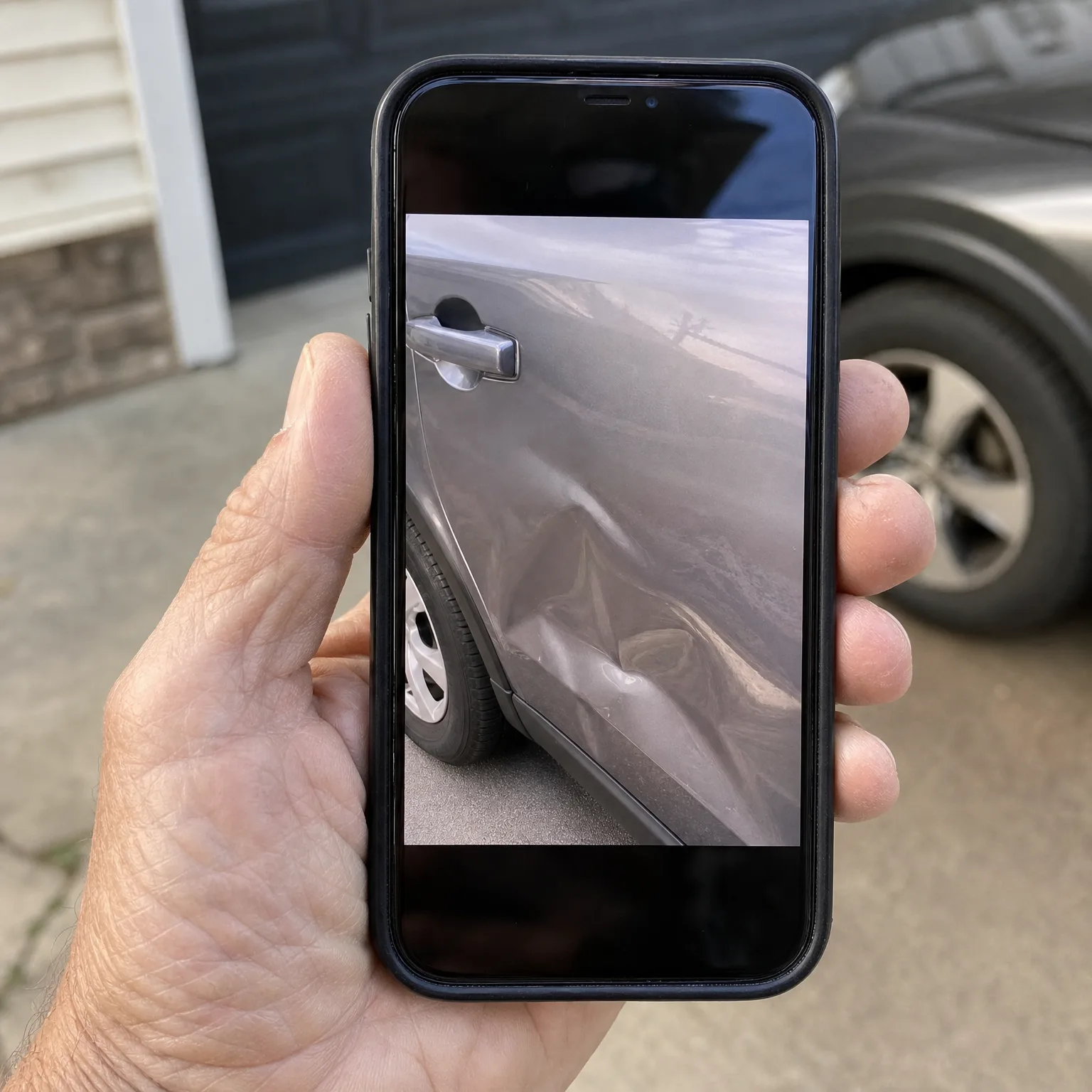
- Hail damage to the body Dents and dings across the roof, hood and panels from a hailstorm fall under this separate deductible instead of your regular comprehensive one.
- Wind-driven object damage If wind throws a tree limb, fence piece or debris into your car, the claim gets sorted into this same category.
- Cracked or shattered glass from hail A windshield or window broken by hail is handled under this deductible, even though glass damage from other causes might be treated differently.
- Roof and hood dents from windstorm Storm damage to the exterior surfaces of the car, separate from a collision or an animal strike, falls into this bucket.
- Paint and trim damage from a storm Chipped paint or cracked trim caused by hail or wind-blown debris is covered the same way as the larger dents.
Doesn't cover
- Flood damage from the same storm Water that rises and gets into the car is treated as flood damage under regular comprehensive coverage, not this separate deductible.
- A tree falling from rot, not wind If a tree comes down because it was already dead or diseased rather than because of wind, that claim can fall back under your standard comprehensive deductible.
- Damage from your own driving in a storm If you hydroplane or lose control while driving in bad weather, that's a collision claim and uses your collision deductible instead.
- Mechanical problems during a storm If your engine or electronics fail during severe weather, that's a mechanical issue, not storm damage, and isn't paid under this line at all.
- Interior damage with no exterior storm damage Without visible hail or wind damage to the outside of the car, an interior claim won't be tied to this deductible.
It depends almost entirely on what the car is worth to you now
If your car is paid off and worth modestly less than it once was, a separate hail and wind deductible changes less than it seems to. You're already deciding whether comprehensive coverage itself makes sense on a car in that range. A high separate deductible on top of comprehensive can mean paying for a coverage that barely pays out when something actually happens.
If you could cover a full repair or a totaled car from savings without much strain, this deductible matters only as background cost, not real exposure. For many people in their sixties, seventies and eighties who've paid off their car and keep some reserve for exactly this kind of surprise, the separate deductible is a detail worth checking but not worth losing sleep over.
Where you live and park changes this more than age does. A car that sits outside every night in a region with regular hailstorms faces this risk often enough that the deductible amount is worth comparing closely. A car that spends most nights in a garage, or lives somewhere storms rarely bring hail, faces this risk rarely enough that the deductible detail matters less.
How much you still drive factors in too, though less than you'd think. A car driven only locally and parked at home most of the time is mostly exposed to weather sitting still, not weather while moving. That shifts the real risk toward storms parked at church, in a driveway, or in a lot, more than storms on the road.

How a claim under this deductible actually plays out
When hail or wind damage happens, you file it as a comprehensive claim, but the separate deductible for hail and wind applies instead of your usual comprehensive deductible. If that separate deductible happens to be higher, you'll pay more out of pocket before the payout starts. If it's lower, you may come out ahead.
An adjuster typically inspects the car in person or reviews photos, since hail damage especially can be scattered across many small dents that are easy to undercount from a distance. Have photos from right after the storm if you can get them, along with the date and your location at the time, since hail and wind events are often tied to a specific storm date that insurers can verify independently.
The payout covers repair or replacement of the damaged parts, body work, glass and paint as needed, up to the value of the loss. It won't cover a rental car unless you carry a separate coverage for that, and it won't cover any diminished value the car suffers even after a good repair.
If the damage is severe enough that the car is declared a total loss, the payout follows the same total loss process as any other comprehensive claim, just with this deductible subtracted instead of the standard one.
Comprehensive coverage without a separate deductible
Separate hail and wind deductible
This splits out hail and windstorm damage and applies its own deductible just to those events, which can be higher or lower than your regular comprehensive deductible depending on how the policy is set up. It only exists where the policy specifically carves out this category.
Standard comprehensive coverage
Standard comprehensive coverage treats hail, wind, falling objects, animal strikes and theft all under one deductible. There's no separate category or separate number to track, just one deductible for anything that isn't a collision.
If you live somewhere hail is common and the separate deductible runs notably higher than your standard one, it's worth asking your agent why the split exists and whether a different setup would serve you better.
Real situations
You're inside church on a Sunday morning and a short, hard hailstorm moves through the parking lot, leaving dents across the hood and roof of your car.
This pays, since hail damage to the body is exactly what this deductible is built for.
A windstorm knocks a dead tree down onto your driveway overnight, and it turns out the tree had been rotting for over a year before it fell.
This likely doesn't pay under the hail and wind deductible, since a fall caused by rot rather than wind gets treated as a standard comprehensive claim instead.
You're driving home at dusk on a county road during a windstorm and a gust pushes a large branch into your windshield while you're on the move.
This pays, since the damage came from wind-driven debris hitting the car, not from a collision you caused.

Once you know whether a separate hail and wind deductible fits how and where you drive, you can compare quotes with that decision already settled.
Questions people ask about this
Why does my policy have a different deductible for hail?
Insurers in storm-prone areas sometimes separate hail and wind into their own category because claims from these events can spike all at once after a single storm. Whether your policy does this varies by state and by insurer, so check your declarations page for a line specifically naming hail or windstorm. If you're unsure, ask your agent to point out exactly where it appears.
Can I remove the separate hail and wind deductible from my policy?
Sometimes, though it depends on how your policy and your state handle this coverage. Some insurers offer it as a built-in feature of comprehensive coverage in certain regions rather than an optional add-on. Ask your agent directly whether it can be removed or adjusted, and what your comprehensive coverage would look like without it.
Does a hail damage claim raise my insurance rates?
A comprehensive claim, including one for hail, is usually treated differently from an at-fault accident claim since the damage wasn't caused by your driving. Many insurers don't penalize comprehensive claims the same way, but this varies by company and by state. Ask your agent how your specific policy treats weather-related claims before you decide whether to file.
Is cosmetic hail damage worth filing a claim for?
It depends on how much the dents bother you and how the deductible compares to the repair cost. Minor cosmetic dents that don't affect the car's function are sometimes left unrepaired by owners who'd rather not deal with a deductible for a problem that's purely visual. Get a repair estimate first so you're deciding with real numbers in front of you.
What counts as proof for a hail damage claim?
Photos of the damage taken soon after the storm, along with the date and location, are the main things insurers look for. Weather data confirming a hail or windstorm event in your area on that date helps support the claim. Keep any receipts for temporary repairs or tarping, since those costs are sometimes reimbursed as part of the claim.