Glass Deductible for Seniors
Glass deductible is the amount you pay out of pocket before your insurance covers a cracked or broken windshield or window.
What this coverage pays for
Covers
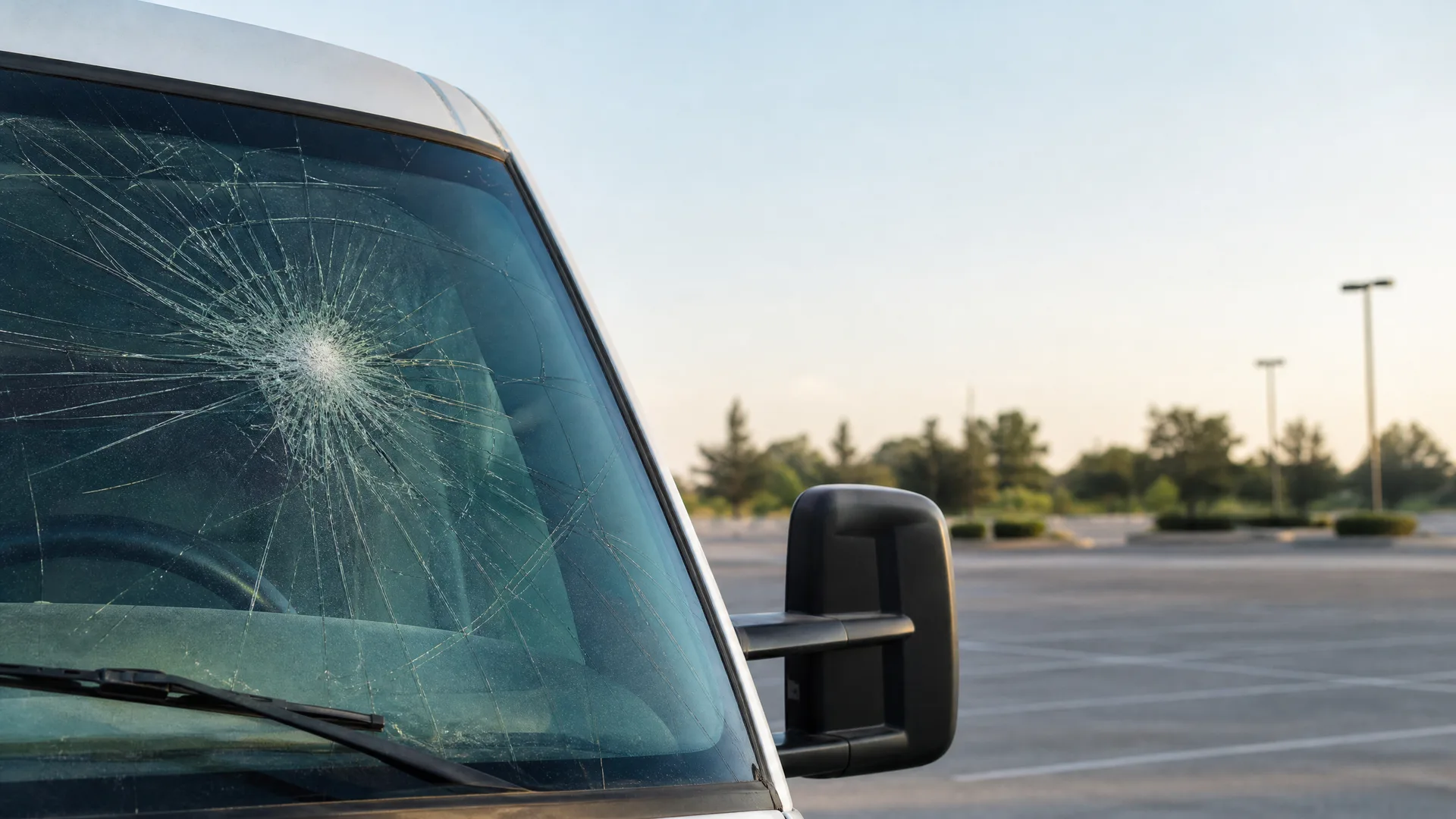
- Windshield cracks and chips A rock on the highway or a sudden temperature swing can crack glass, and this coverage picks up the cost above your deductible.
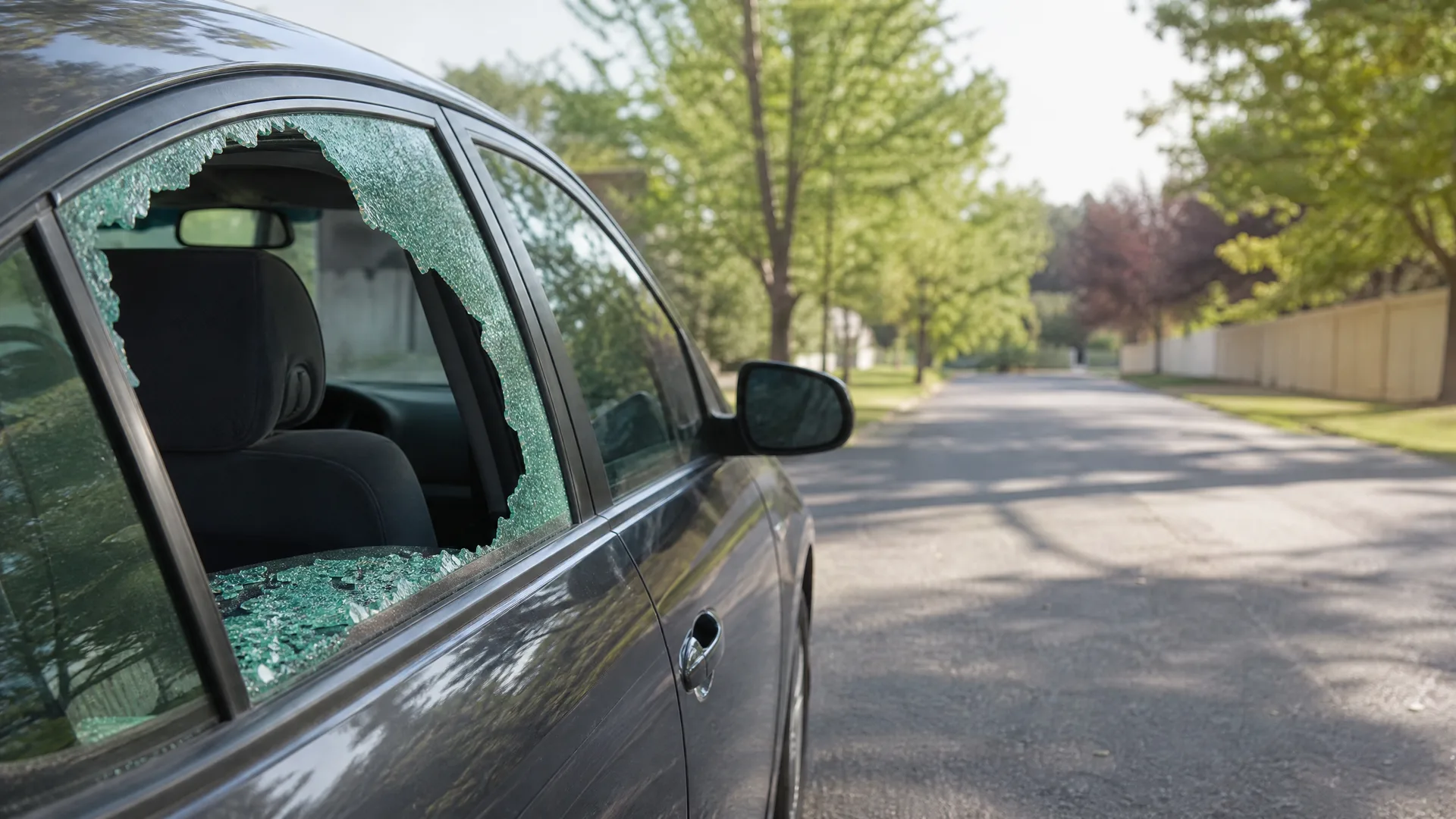
- Side and rear window damage Break-ins, falling branches, or a stray baseball can take out any window, not just the windshield.
- Full replacement when needed If the damage can't be repaired safely, this coverage pays toward a full replacement instead of just a patch.
- Calibration after replacement Many newer cars need cameras and sensors recalibrated after a windshield swap, and that work is usually included.
- Repeat incidents If your windshield gets damaged more than once in a policy term, each claim is handled on its own, not capped as a single event.
Doesn't cover
- Mirrors knocked off in parking lots Side mirrors usually fall under your regular collision or comprehensive coverage, not the glass deductible.
- Interior electronics or dashboards If glass damage somehow affects wiring or electronics, that repair is handled separately as part of your comprehensive claim.
- Scratches from wiper blades or car washes Cosmetic wear from normal use isn't damage in the insurance sense, so it isn't something this coverage touches.
- Sunroof mechanisms A cracked sunroof glass panel may be covered, but the motor or track that moves it is treated as a separate mechanical issue.
- Damage from your own neglect If a crack spreads because it sat unrepaired for a long stretch, insurers can treat that as a maintenance issue rather than a new claim.
For most drivers past sixty, this coverage is worth keeping if you already carry comprehensive
If you already have comprehensive coverage on your policy, the glass deductible option usually rides along with it and costs very little extra. Dropping it to save a small amount rarely makes sense unless you're also dropping comprehensive entirely.
What matters more is the car itself. If it's older, paid off, and worth modestly, a cracked windshield might cost less to fix out of pocket than to file a claim. If it's newer or still financed, the lender may require comprehensive anyway, which brings this coverage along with it.
How much you drive matters too. Someone who still commutes daily or takes long highway trips to see grandchildren faces more exposure to flying debris than someone who mostly drives a few miles to town. A car that sits in a garage most of the time has less risk than one parked on the street or in an open lot.
If you're on a fixed income and a surprise repair bill would strain your budget, this coverage is one of the cheaper ways to avoid that surprise. If you could easily cover a windshield repair from savings without a second thought, you have more room to skip it and self-insure that risk instead.

How a glass claim actually goes
You pay your deductible first, and the insurer covers the rest of the repair or replacement cost. Some policies let you waive the deductible specifically for glass, so it's worth checking your declarations page to see how yours is set up.
Most glass claims move quickly because there's little room for dispute. You report the damage, a shop inspects it, and the repair or replacement is usually scheduled within days rather than the longer process of a collision claim.
Have your policy number and the date you noticed the damage ready when you call. If you know which shop you'd like to use, mention it, since many insurers work with a network but will still cover an outside shop you prefer.
One thing to ask about directly: whether this claim affects your rate at renewal. In many states it doesn't, since glass claims are treated differently from at-fault accidents, but this varies by insurer and state, so check your own policy.

Glass deductible versus comprehensive coverage
Glass Deductible
This is a narrow add-on that specifically addresses the deductible on glass repairs, often reducing or waiving it. It only applies to windows and windshields.
Comprehensive Coverage
Comprehensive is the broader coverage that includes glass damage along with theft, fire, falling objects, and animal collisions. Without comprehensive, there's no glass coverage at all to attach a deductible option to.
If you're deciding between the two, comprehensive is the one you need first, and glass deductible is simply how you fine-tune it.
Real situations
You're driving home at dusk on a county road and a deer crosses, cracking your windshield but not causing other damage.
This pays, since windshield damage from an animal strike falls under glass coverage, minus your deductible.
A hailstorm hits while your car is parked outside church, leaving small dents across the hood and roof but no cracked glass.
This doesn't pay, since there's no glass damage here, this falls under comprehensive coverage for hail instead.
Your side mirror gets clipped by another car in a parking lot and shatters.
This doesn't pay directly, since mirrors are typically handled under comprehensive or collision, not the glass deductible.
Now that you know whether this coverage fits your car and your driving, you can compare quotes with that decision already settled.
Questions people ask about this
Can I choose my own repair shop for a windshield claim?
Yes, in most cases you can choose your own shop even if your insurer suggests a network provider. Ask whether using an outside shop changes your wait time or requires extra paperwork. This varies by insurer, so confirm it before scheduling.
Does a windshield claim count against my accident history?
Usually not, since glass claims are typically treated separately from at-fault accident claims. Whether it shows up on your record at all depends on your state and insurer. Check your policy or ask your agent directly if you're unsure.
What if the crack is small and I just want to keep driving?
A small chip can often be repaired rather than replaced, which costs less and takes less time. Left alone, though, it can spread with temperature changes or road vibration. Getting it looked at early usually keeps your options open.
Do I need comprehensive coverage to get glass coverage at all?
Yes, glass coverage is part of comprehensive, not a standalone policy. Without comprehensive on your car, there's nothing for the glass deductible option to attach to. If you're not sure you have it, your declarations page will list it by name.
Will my rate go up after a single glass claim?
In many cases it won't, since insurers often treat glass claims differently from collision or at-fault claims. This isn't guaranteed everywhere, though, so it varies by state and company. Asking directly before you file is the surest way to know.