Deductible for Hail Damage
The deductible for hail damage is the amount you pay out of your own pocket before your comprehensive coverage pays the rest of a hail repair bill.
What this deductible applies to
Covers
- Dents in body panels The deductible applies before comprehensive pays for pounding out or replacing dented hood, roof, and door panels.
- Cracked or pitted windshield Hail damage to glass is handled under the same comprehensive claim, and the same deductible usually applies unless your policy sets glass apart.
- Damaged trim and mirrors Cracked mirror housings or broken trim pieces from hail are part of the same claim and the same deductible.
- Paint damage from impact If hail chips or cracks the paint down to the panel, that repair is included once the deductible is met.
- Total loss from hail If the hail damage is severe enough that repair costs more than the car is worth, the deductible is subtracted from the payout instead.
Doesn't cover
- Damage from driving in a storm A collision caused while driving through severe weather, like sliding off a road, falls under collision coverage and its own deductible, not this one.
- Interior water damage If hail breaks a window and rain soaks the seats, that's part of the same comprehensive claim, but sometimes handled as a separate item depending on your policy.
- Rental car while yours is repaired A rental during hail repairs is only covered if you separately added rental reimbursement coverage.
- Cosmetic dents you choose not to fix The deductible applies to actual repair costs, so there's no payout for damage you decide to leave alone.
- Damage to things inside the car Personal belongings damaged by hail, like a laptop on the seat, usually fall under a homeowners or renters policy instead of auto coverage.
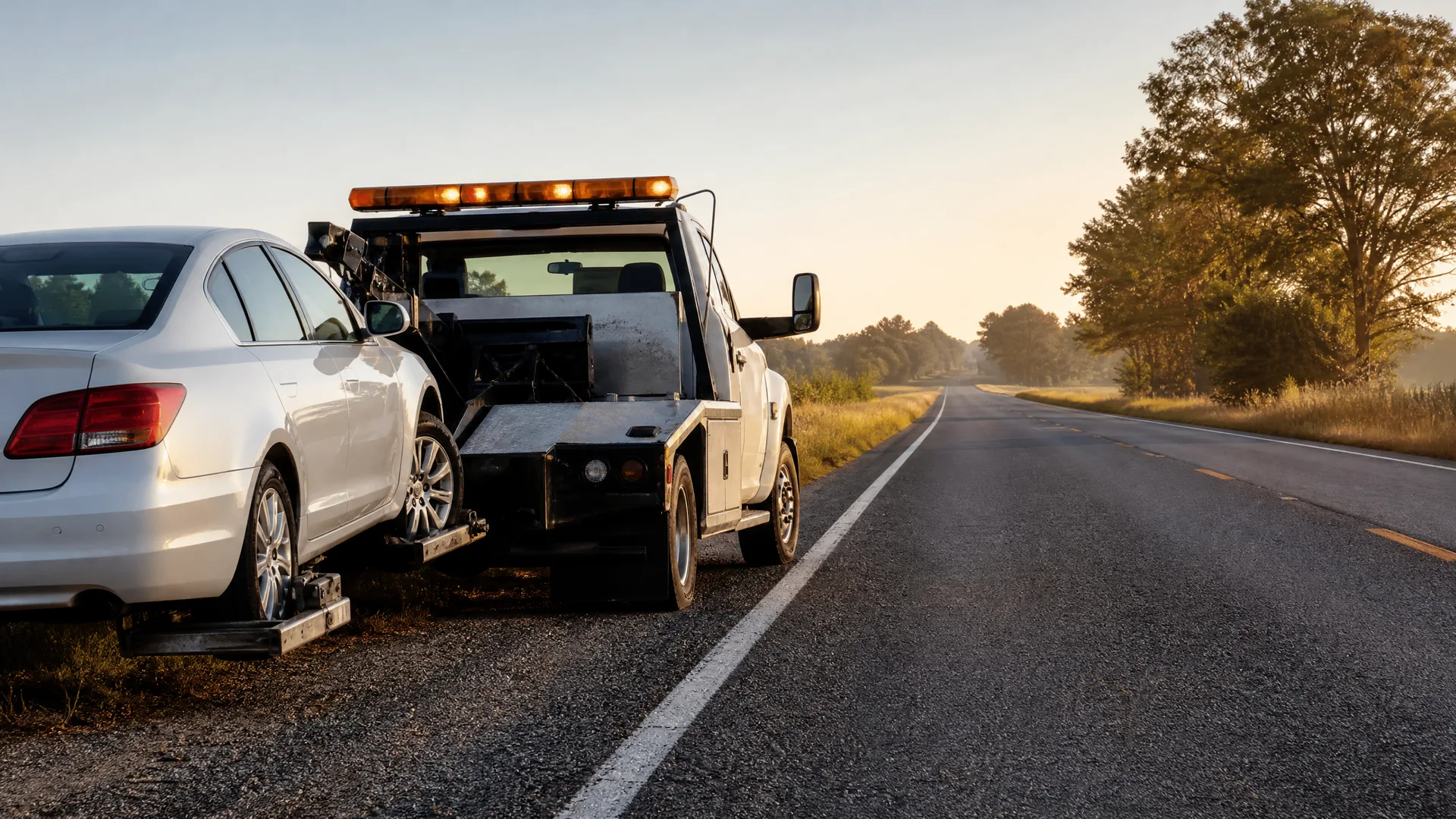
Worth keeping if your car still has real value and you'd rather not pay a full repair bill yourself
If your car is paid off and worth a meaningful amount, comprehensive coverage with a reasonable deductible protects that value without much argument. Hail repair, especially paintless dent work on a newer car, adds up fast across multiple panels, and most people don't want that bill arriving all at once.
If the car is older and worth little on paper, the math changes. A low trade-in value means even a full hail claim might not pay out much after the deductible is subtracted, and you could end up carrying the coverage for years without it ever being worth filing on.
Where the car spends most of its time matters too. A car kept in a garage most nights, or driven mainly on short local errands, faces less exposure than one parked outside at work or left in open lots for long stretches during storm season.
How much you could absorb from savings in one bad season is the real question. If a moderate repair bill wouldn't change your month, you might choose a higher deductible and a lower premium. If it would, keeping the deductible lower is the more comfortable choice, even if it costs a bit more month to month.
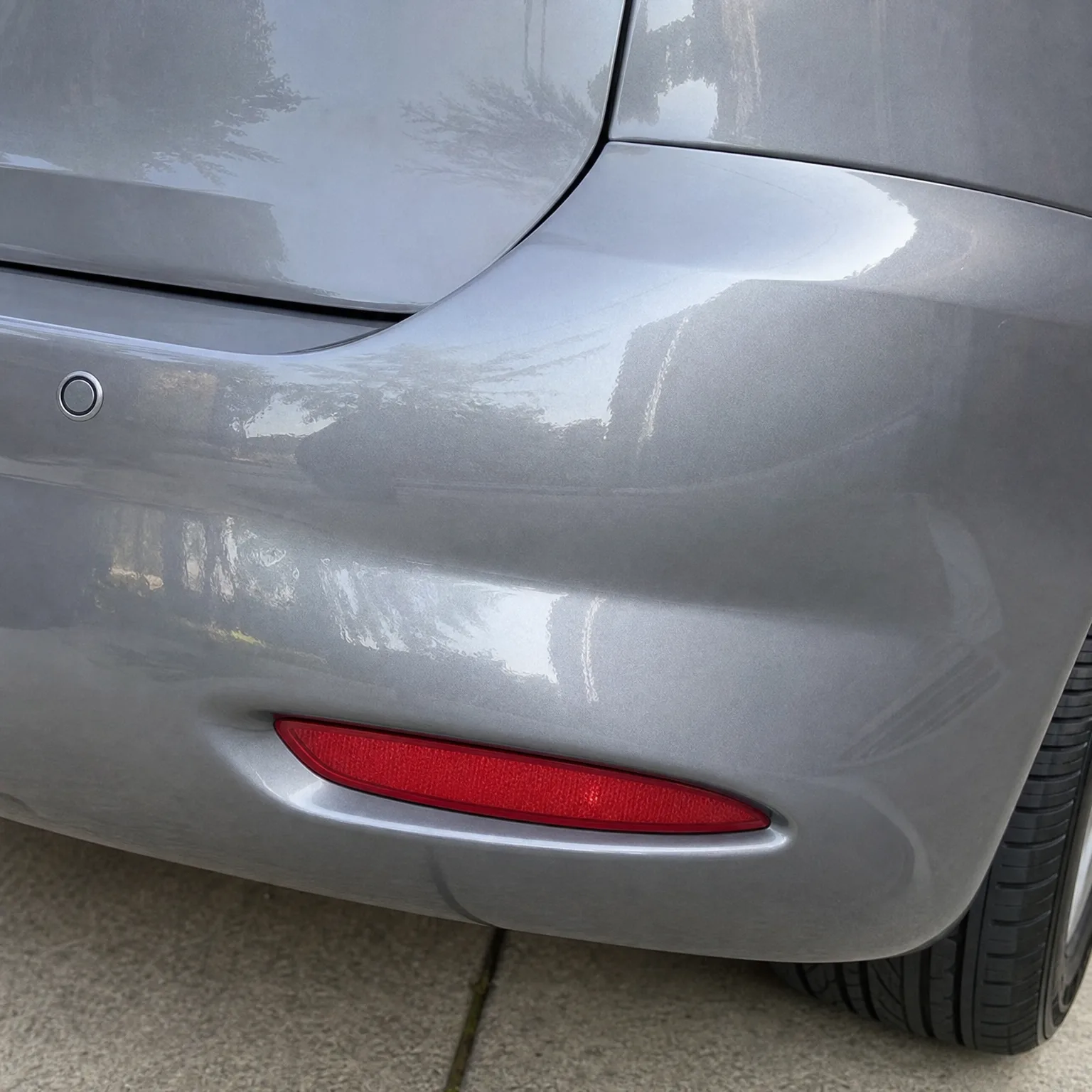
How a hail claim actually goes
You file a comprehensive claim, an adjuster or appraiser looks at the damage, and the repair estimate is set. Your deductible is subtracted from that estimate, and the insurer pays the rest directly to the shop or to you, depending on how the claim is set up.
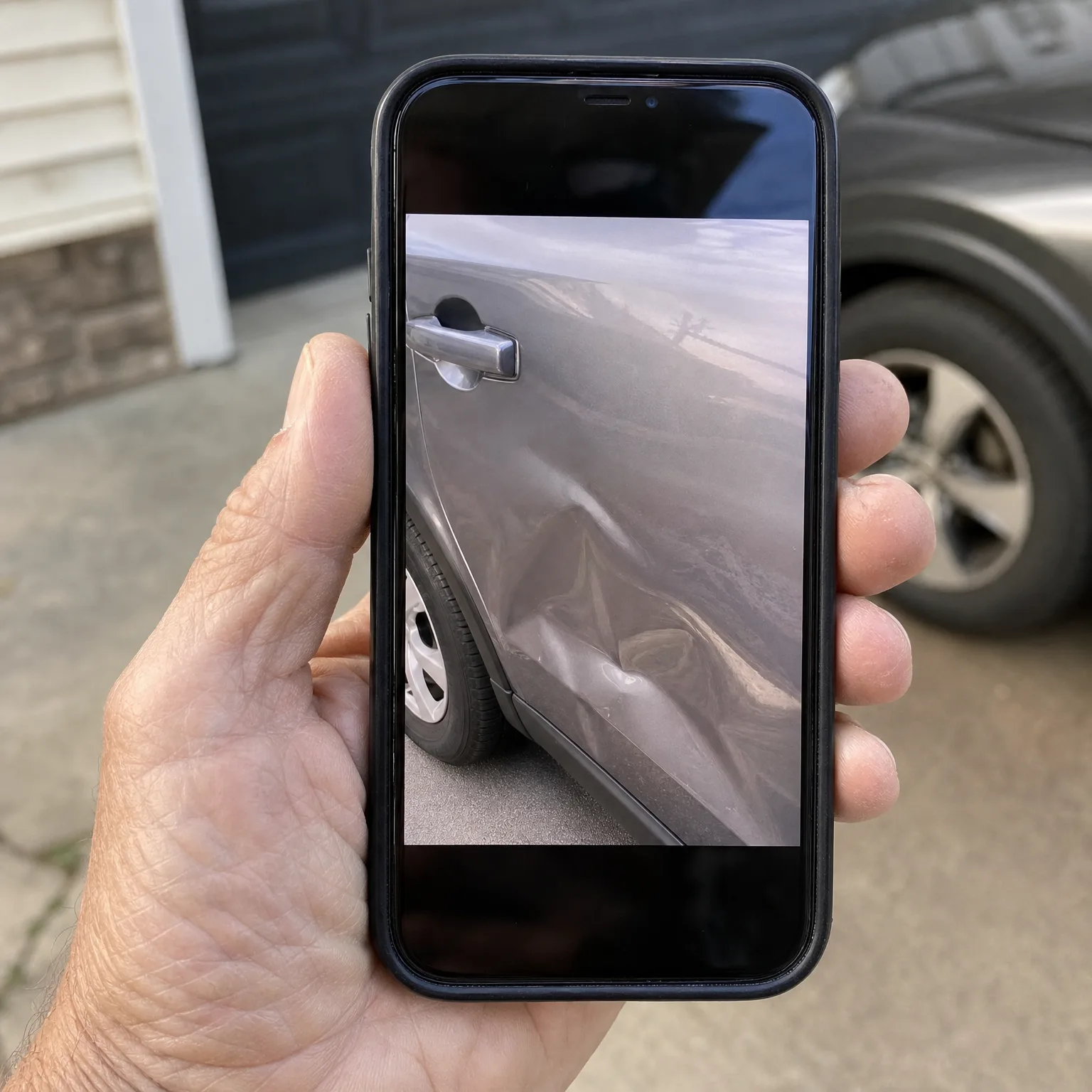
Hail damage is often widespread but shallow, meaning many small dents across several panels rather than one obvious impact point. Shops frequently use paintless dent repair for this, which can restore panels without matching paint, though deep dents or cracked paint may need traditional bodywork.
Have photos of the damage, your policy information, and a general sense of when the storm happened. If hail hit your area, insurers often expect a wave of claims and may set up a faster process for exactly this kind of damage.
If the repair estimate comes in at or above what the car is worth, the claim shifts from repair to total loss, and the payout becomes the car's value minus your deductible instead of a repair bill minus your deductible.

Deductible for hail damage vs. collision deductible
Deductible for hail damage
This applies when weather, specifically hail, damages your parked or stationary car. It falls under comprehensive coverage, which handles things that happen to your car rather than things caused by driving it.
Collision deductible
This applies when your car hits something or something hits it while you're driving, including losing control on a wet or icy road during a storm. It's a separate deductible, often set at a different amount than your comprehensive one.
If the damage happened while your car was parked, it's comprehensive and this deductible; if it happened while you were driving through the storm, it's collision.
Real situations
You park at church on a Sunday morning and a sudden hailstorm moves through while you're inside, leaving dozens of small dents across the hood and roof.
This pays, once you meet the deductible, because the car was stationary when the hail hit it.
Driving home from the grocery store during the same storm, you hydroplane and strike a guardrail trying to avoid stopped traffic.
This doesn't pay for the guardrail collision, since that falls under collision coverage and its own deductible instead.
A neighbor's tree branch falls on your car during the same storm, denting the trunk, and you assume it's the same claim as the hail dents nearby.
This still pays, since falling objects are also a comprehensive claim, though the adjuster may note it as a separate cause on the same estimate.
Once you know whether you'd actually use this deductible or just carry it untouched for years, you're ready to compare quotes with that decision already made.
Questions people ask about this
Can I choose a different deductible just for hail damage?
Usually not as its own separate number, since hail falls under your general comprehensive deductible rather than having its own line. Some policies do let you set a different comprehensive deductible than your collision one, so check whether yours already separates the two. If you want a different amount specifically for weather events, ask whether your policy offers that as a distinct option.
Does filing a hail claim raise my rate?
It can, though comprehensive claims, including hail, are often treated more gently than at-fault collision claims since the damage wasn't caused by your driving. Rate impact depends heavily on your overall claim history and how your insurer weighs weather claims specifically. It's worth asking directly before filing if a modest repair is close to your deductible amount anyway.
Should I get repairs done right away after hail damage?
Getting an estimate soon after the storm is a good idea, mainly because dents can be harder to assess once a car has been driven and used normally for a while. There's usually no strict rush, but delaying too long can make it harder to prove the damage happened in that specific storm. Keep photos taken soon after the hail hits, regardless of when you schedule the actual repair.
What if hail damage happens while my car is parked at the airport or a parking garage?
This still falls under your comprehensive coverage and the same deductible, since where the car was parked doesn't change which coverage applies. The parking facility itself is unlikely to be responsible unless there's some unusual circumstance, like a structural failure of the garage. File the claim through your own policy the same way you would if it happened in your driveway.
Is paintless dent repair as good as traditional bodywork for hail damage?
For shallow, round dents without cracked paint, paintless dent repair is generally considered a full, lasting fix and is what most shops recommend for hail damage. It preserves the factory paint, which can matter for the car's value. Deeper dents, creased panels, or any cracked paint usually need traditional bodywork instead, so the right method depends on how severe each dent actually is.