Deductible on a Pickup Truck
The deductible on a pickup truck is the amount you pay out of your own pocket before your collision or comprehensive coverage pays the rest of a covered repair or loss.
What the deductible applies to
Covers
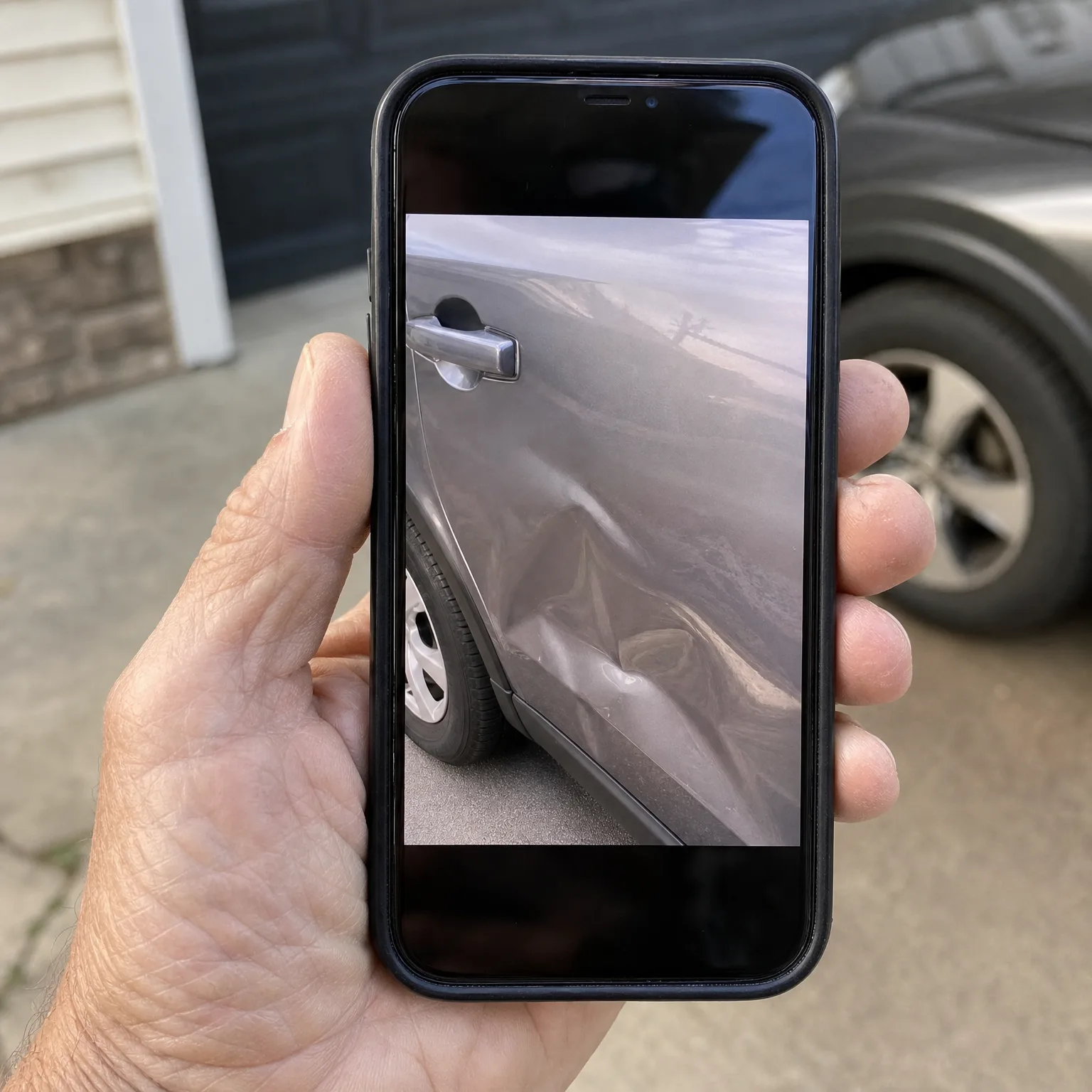
- Collision repairs If your truck hits another vehicle or object, or rolls, your deductible is subtracted from what the insurer pays toward the repair.
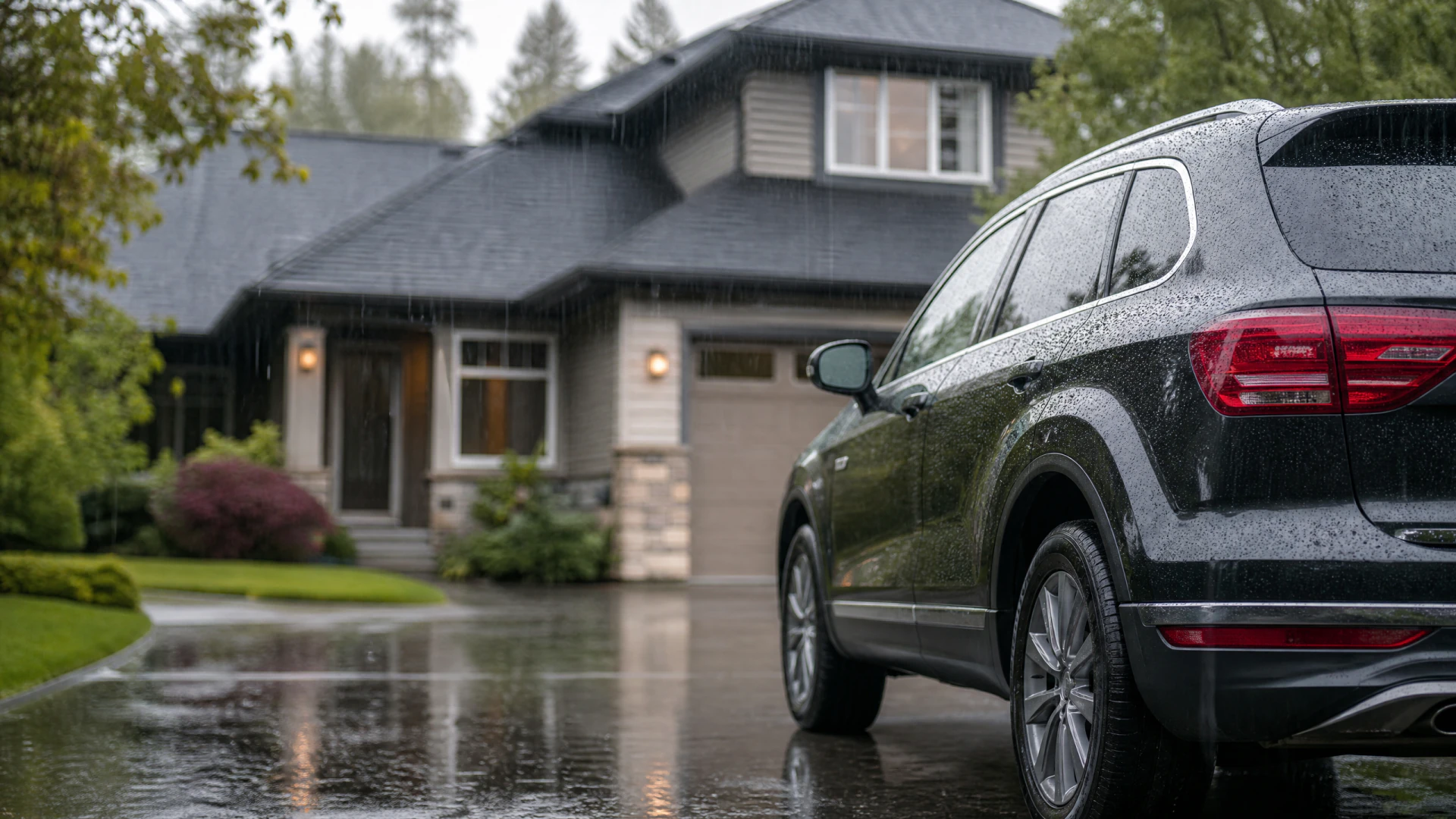
- Comprehensive claims Damage from weather, animals, fire, theft or vandalism also runs through a deductible before the insurer covers the remainder.
- Total loss payouts If the truck is declared a total loss, the insurer pays its value minus your deductible, not the full value.
- Separate amounts for each type Collision and comprehensive usually carry their own deductible amounts, so one can be set higher or lower than the other.
- Glass and windshield claims Many policies let you choose a separate, often lower or waived, deductible just for glass damage.
Doesn't cover
- Liability claims If you cause damage to someone else's vehicle or property, that's paid through your liability coverage, which has no deductible.
- Mechanical breakdowns A transmission or engine failure isn't a covered loss at all, deductible or not, since this coverage only responds to sudden accidents or specific perils.
- Normal wear and tear Rust, worn tires or fading paint aren't claims the deductible applies to because they aren't sudden, covered events.
- Medical bills from a crash Injuries to you or your passengers are handled under medical payments or personal injury protection, which work differently from a deductible.
- Cargo or tools in the bed Items you were hauling usually aren't covered by the truck's own policy at all, so the deductible doesn't come into play for them.

Whether to keep it depends mostly on what the truck is worth to you
If the truck is paid off and worth a real amount, a deductible that's set too high can leave you scrambling after a bad storm or a deer strike. The coverage only helps if the gap between what you'd pay and what the insurer pays is one you can live with.
If you could cover a moderate repair bill from savings without much strain, a higher deductible usually makes sense, since you're paying less in premium for a risk you can absorb yourself. If a surprise repair would be a real hardship, a lower deductible is worth the extra cost even though it raises what you pay every period.
How much you drive the truck matters too. A truck used mostly for short trips around town, or one that mostly sits in a driveway, carries less risk of a collision claim than one driven daily on highways or rural roads at dusk, when deer and sudden weather are more common.
Where the truck is parked overnight also plays into this. A truck kept in a garage is less exposed to hail, falling branches or theft than one left on the street, and that exposure is part of what the deductible is protecting you against.

How a claim actually plays out
When something happens, you report the claim and an adjuster or appraiser figures out the cost to repair the truck or, if it's totaled, its value. Your deductible is subtracted from that figure, and the insurer pays the rest directly to you or the repair shop.
You'll want your policy details handy, along with photos of the damage, and in the case of a collision, information about the other vehicle or whatever the truck hit. For a comprehensive claim like hail or an animal strike, a police report or weather record can help the claim move smoothly.
The deductible doesn't change based on how big the loss is. Whether the repair is minor or the truck is a total loss, you pay the same deductible amount either way, which is why some people choose to carry a lower one on an older, higher-mileage truck.
Keep in mind the payout covers the truck itself, not anything you had stored in the bed or cab, and it won't cover a rental vehicle unless you've added that separately to your policy.
Deductible versus gap coverage
Collision and comprehensive deductible
This is the amount you pay before your own policy covers damage to your truck, whether from a crash, weather or an animal strike. It applies every time you file a claim under those coverages, regardless of who's at fault.
Gap coverage
This pays the difference between what you owe on a loan or lease and what the truck is actually worth if it's totaled. It only matters if you still owe more than the truck's current value, and it doesn't touch your deductible at all.
If your truck is paid off, gap coverage doesn't apply to you, but your deductible still does every time you file a claim.
Real situations
Hail moves through while your truck is parked at church on a Sunday morning, denting the hood and cracking the windshield.
This pays, since hail is a comprehensive claim and your deductible applies before the insurer covers the rest.
A deer runs into the road at dusk on a county highway and you can't avoid it, damaging the front end of the truck.
This pays, since hitting an animal is also a comprehensive claim handled the same way as hail or fire damage.
The truck's transmission fails after years of regular use and needs a full rebuild.
This doesn't pay, since mechanical breakdowns from wear aren't a covered loss under collision or comprehensive at all.
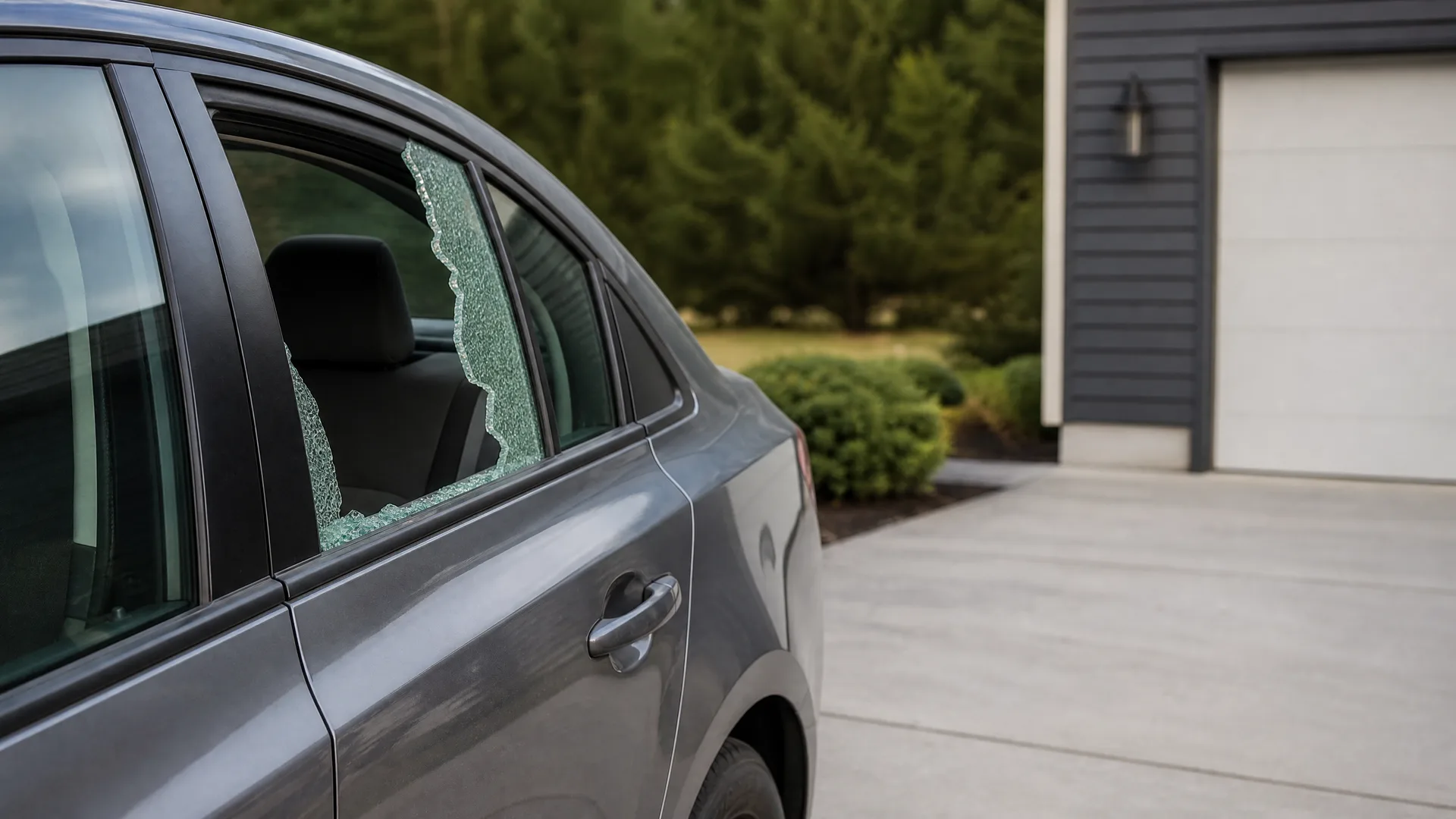
Once you know what deductible makes sense for how you drive and what you could absorb yourself, you're ready to compare quotes and see how that choice shapes the price.
Questions people ask about this
Can I have different deductibles for collision and comprehensive on my truck?
Yes, most policies let you set them separately. People often choose a lower deductible for comprehensive, since those claims like hail or animal strikes tend to be smaller, and a higher one for collision. Check your policy to see what's currently set for each.
Does raising my deductible affect my truck's resale value?
No, the deductible has nothing to do with the truck's value or condition. It only affects what you pay out of pocket when you file a claim. Resale value is based on the truck's age, mileage and condition, not your insurance setup.
Should I drop collision coverage on an older paid-off truck?
It depends on what the truck is worth and what you'd do with a payout if it were totaled. If the truck's value is low enough that a claim payout minus your deductible would be small, carrying collision may cost more over time than it would return. Compare the truck's current value against what you're paying for that coverage to decide.
What happens if I can't pay my deductible after an accident?
The repair shop typically won't release the truck, or the insurer won't finish the payout, until your portion is paid. Some shops will work out a payment arrangement directly with you. It's worth setting a deductible amount you know you could pay quickly if needed.
Does my deductible change if the other driver was at fault?
It depends on how you file the claim. If you file through the other driver's liability coverage, your deductible typically doesn't apply, but if you use your own collision coverage first, it does, even if you're later reimbursed through subrogation. Ask your insurer how they'd handle fault in that situation.