Deductible on a New Car
The deductible on a new car is the amount you agree to pay out of pocket before your collision or comprehensive coverage pays the rest of a claim on that vehicle.
What the deductible actually governs
Covers
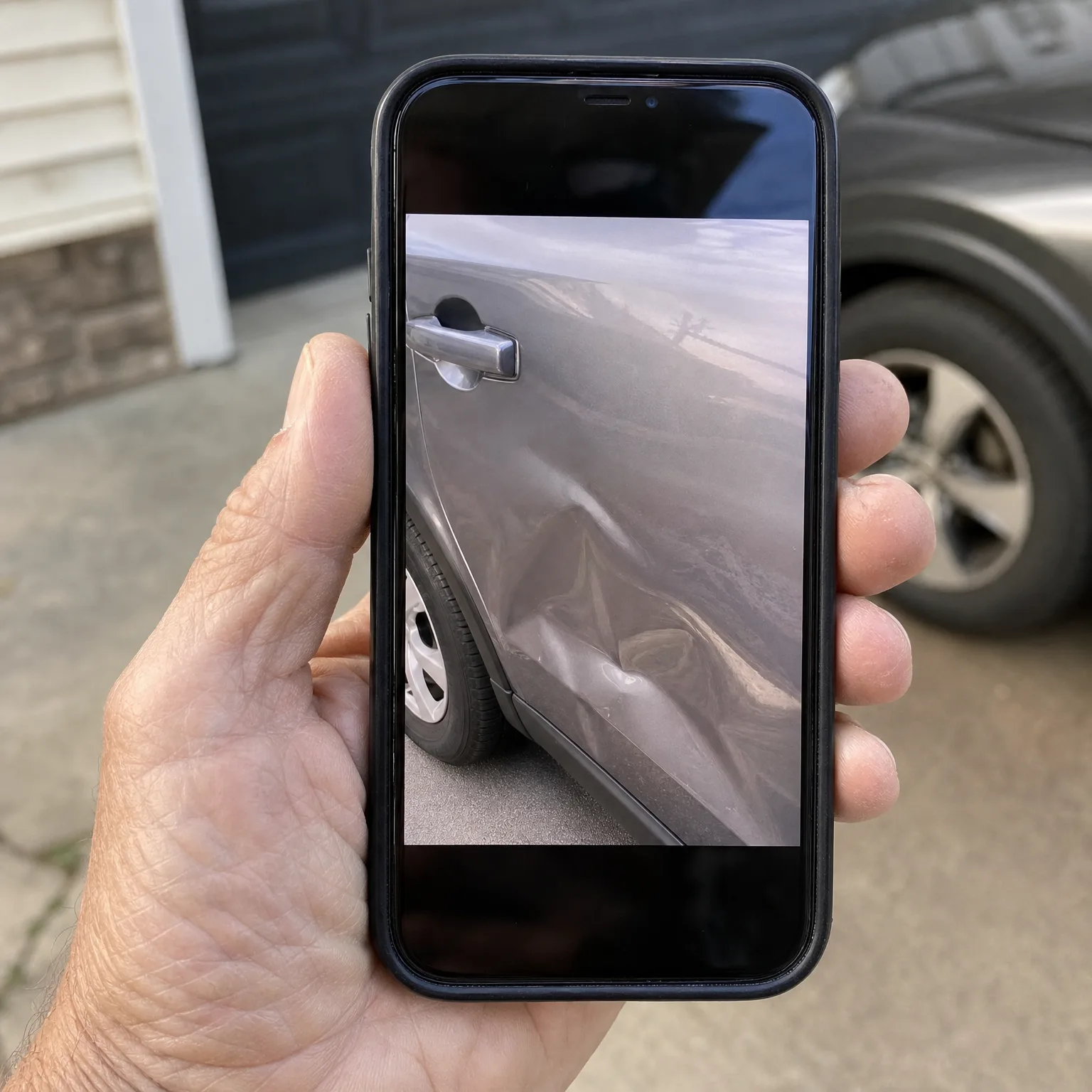
- Collision claims If you hit another car or an object, you pay the deductible first and your policy covers repair costs above that.
- Comprehensive claims Damage from hail, fire, animals, or a falling branch works the same way, with the deductible subtracted before payment.
- Repair shop payment The shop is typically paid the claim amount minus your deductible, so you're not usually writing a check at pickup.
- Total loss settlement If the car is totaled, the payout is the car's value at the time minus the deductible, not the price you paid for it.
- Separate amounts for each coverage Collision and comprehensive can carry different deductible amounts on the same car, so one may apply and not the other depending on what happened.
Doesn't cover
- Your own injuries Medical costs after a crash are handled by medical payments or personal injury protection, not by this deductible.
- A rental car while yours is fixed That comes from rental reimbursement coverage if you added it, and it has its own separate terms.
- Mechanical breakdowns A transmission failure or electrical fault isn't a covered loss here at all, deductible or otherwise.
- The other driver's damage when they're at fault If someone else caused the accident, their liability coverage should pay their share, and your deductible shouldn't apply to that portion.
- Normal wear or depreciation A new car losing value over time isn't a claim, and the deductible has nothing to do with that kind of loss.

For most people in their sixties and up, it's worth keeping, but the amount deserves a second look
A new car is usually worth enough that an unrepaired dent or a total loss would be a real financial hit, which is the whole reason collision and comprehensive exist in the first place. Dropping them to save a little each month rarely makes sense while the car still has significant value or a loan attached to it.
The real decision is what deductible amount to carry, not whether to carry the coverage. If you have enough set aside to comfortably cover a higher deductible without disrupting your budget, raising it can lower what you pay for the policy while still protecting you against the big loss, which is the part that actually matters.
How much you drive and where the car sits overnight matter too. Someone who drives often on unfamiliar roads or parks on the street faces more opportunities for a claim than someone who drives locally and keeps the car in a garage. That changes how much the deductible amount is likely to come into play.
Once the car is a few years old and paid off, it's worth revisiting the deductible again, since the car's value will have dropped and the math shifts. But for a new car specifically, keeping solid coverage with a deductible you can actually afford is usually the right call.
How a claim on a new car actually plays out
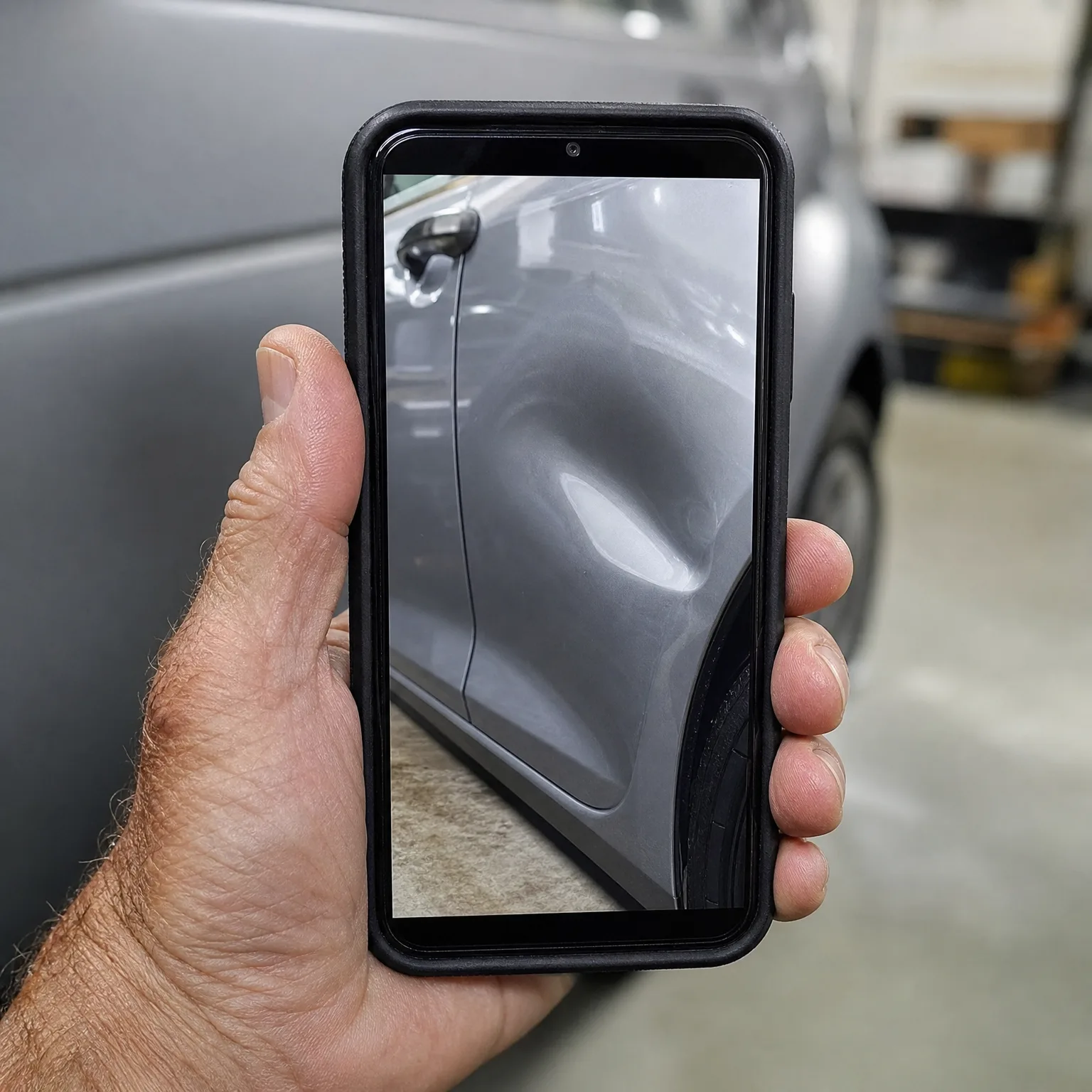
After a covered loss, you report the claim and an adjuster or the repair shop assesses the damage. The amount they approve for repair or the car's assessed value if it's totaled has your deductible subtracted before anything is paid out. You're responsible for that amount either directly to the shop or as a reduction in what you receive.
Have your policy details, photos of the damage, and a police report if one was filed ready when you call. For a newer car, it also helps to have your loan or lease information on hand, since a lender often has requirements about how a total loss payout gets handled.
If the repair estimate comes in lower than your deductible, there's effectively no claim worth filing, since you'd be paying the full cost yourself anyway. That's one reason people choose a deductible amount they expect to actually clear if something happens, rather than the lowest number offered.

Deductible amount versus gap coverage
Deductible on a new car
This is the amount you pay first on any collision or comprehensive claim, and it applies to the car's current assessed value. It's set by you when you buy the policy and can be changed later.
Gap coverage
This pays the difference between what you owe on a loan or lease and what the car is actually worth if it's totaled early on, since new cars often lose value faster than the loan balance drops. It doesn't touch the deductible at all.
If you still owe more on the car than it's worth, gap coverage is the piece worth adding, while the deductible decision is really about what amount you can comfortably afford if a claim happens.
Real situations
Your car is parked in a church lot during a sudden hailstorm and comes out with dented panels across the hood and roof.
This pays, since hail damage falls under comprehensive and your deductible applies before the repair payout.
A deer crosses a county road at dusk and you can't avoid hitting it, damaging the front end of the car.
This pays, since animal collisions are typically covered under comprehensive, not collision, but the same deductible applies.
The transmission starts slipping on the highway and needs a costly repair with no accident involved.
This doesn't pay, since mechanical failure isn't a covered loss under collision or comprehensive at all.

Once you've settled on the deductible amount that fits your savings and how you use the car, compare quotes with that figure already decided.
Questions people ask about this
Can I have a different deductible for collision and comprehensive on the same car?
Yes, you can usually set them separately. Many people choose a lower amount for comprehensive since those claims, like hail or a cracked windshield, tend to be smaller and more frequent, and a higher amount for collision. Check your policy to see what's currently set for each.
Does the deductible change as the car gets older?
Not on its own, it stays whatever you set until you change it. But as the car's value drops with age, it's worth revisiting whether a high deductible still makes sense against a lower payout on a total loss, or whether dropping collision and comprehensive altogether becomes reasonable.
What happens if I can't afford to pay the deductible when I file a claim?
The repair shop generally expects it as part of payment, so you'll need to cover it to get the car fixed. If that's a real concern, choosing a lower deductible when you set up the policy avoids this problem later, even though it usually costs a bit more month to month.
Will my rates go up if I file a claim and pay the deductible?
It depends on the claim and your insurer's own rules, which vary. A not-at-fault claim is often treated differently than one where you caused the damage. Ask your insurer directly how a specific type of claim affects your rate before you decide to file.
Is it better to pay a higher deductible for a lower premium on a new car?
It depends mainly on whether you have the savings to comfortably cover that higher amount if a claim happens. A new car is valuable enough that claims are more likely to exceed any deductible amount, so the main risk is to your monthly budget, not whether the coverage will be useful.