Deductible on a Luxury Car
The deductible on a luxury car is the amount you pay out of your own pocket before your collision or comprehensive coverage pays the rest of a covered repair or loss.
What the deductible applies to
Covers
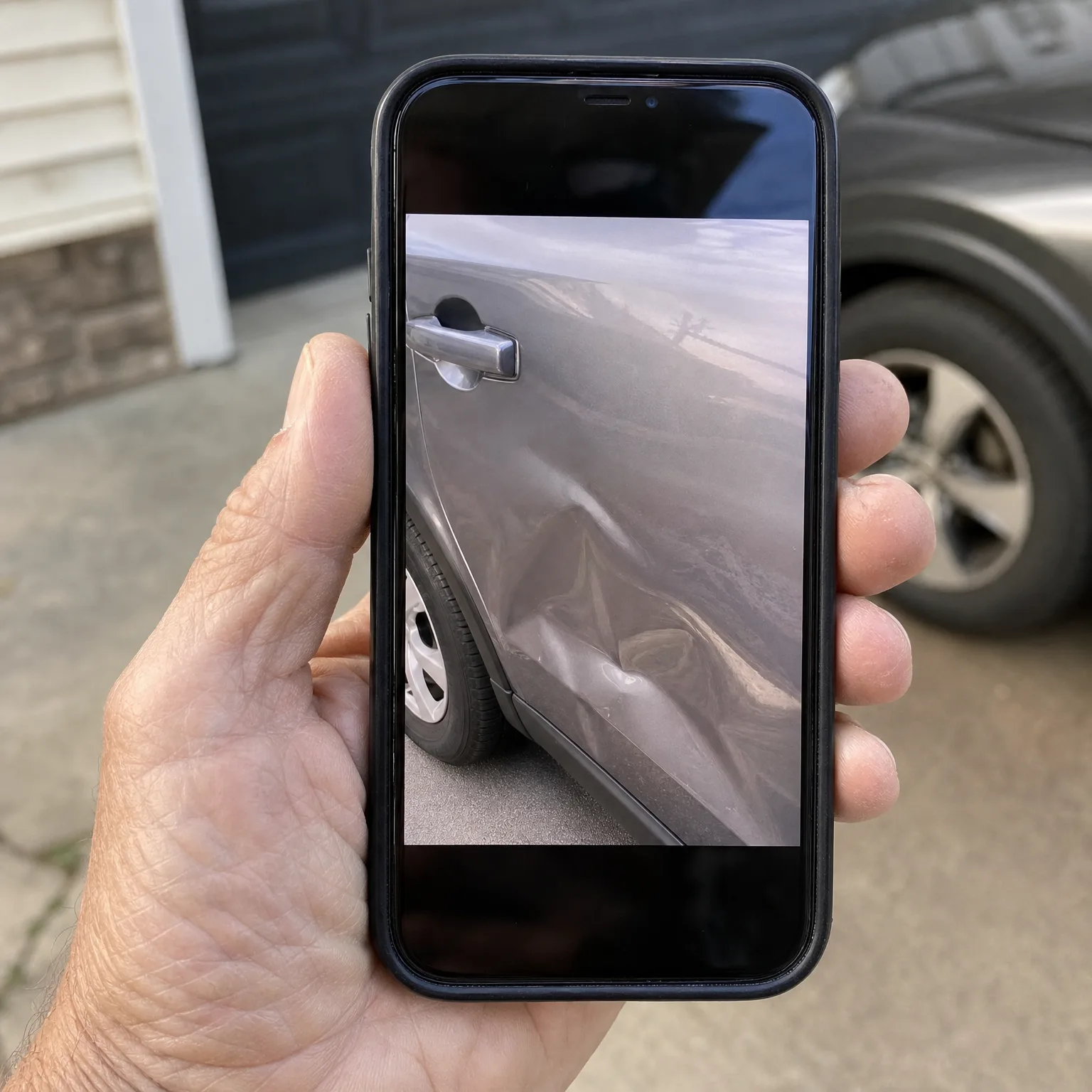
- Collision repairs If you hit another car or an object, the deductible comes off the top of what the shop charges to fix your car.
- Comprehensive claims Weather, animals, theft and vandalism claims also apply the deductible before the insurer pays the remainder.
- Glass and windshield damage Some policies carve out a separate, often lower, deductible just for glass, but on many luxury models the standard deductible still applies.
- Total loss payouts If the car is totaled, the insurer subtracts the deductible from the car's value before cutting you a check.
- Parts and labor at specialty shops Luxury cars often need dealer or specialty shops, and the deductible is the same regardless of which shop you use.
Doesn't cover
- Regular maintenance Oil changes, brake wear and routine service are never part of a claim, deductible or not.
- Mechanical breakdown A transmission or electronics failure isn't a covered loss at all, so the deductible never comes into play.
- Depreciation from an older claim If the car's resale value drops after a repair, that loss isn't paid out, and no deductible applies because there's no claim to file.
- Rental car costs A rental while your car is repaired is a separate coverage with its own terms, not something the deductible touches.
- Diminished trade-in value Dealers may offer less for a car with repair history, but that's a negotiation, not a claim your policy pays.

Whether it's worth paying for depends on the car's value, not its badge
A luxury car can mean very different things to your insurance depending on how old it is and what it's actually worth today. A ten or fifteen year old luxury sedan may be worth far less than people assume, and the deductible you'd pay could end up being most of what you'd ever collect on a claim.
If the car is paid off and you could comfortably cover a large repair bill yourself, a higher deductible makes sense and lowers what you pay for the policy every period. If a surprise repair bill would strain your savings, a lower deductible gives you more certainty even though it costs more upfront.
How much you drive matters too. A car that mostly sits in a garage and makes occasional trips to church or the store carries less risk than one driven daily on the highway, and that should factor into how much deductible risk you're willing to take on.
Where the car is kept overnight also plays a role. A locked garage in a quiet area is a different risk than street parking in a dense neighborhood, and that difference can tip the decision either way.
How a claim actually plays out
When something happens to the car, you file a claim and an adjuster evaluates the damage or loss. The deductible is subtracted automatically, so if a repair costs a certain amount, you pay the deductible and the insurer covers the rest directly to the shop in most cases.
For a total loss, the insurer determines what the car was worth right before the loss, then subtracts the deductible from that amount before sending you payment. This is where an older luxury car's real market value matters, since it may be less than you'd expect.
Have your policy details, photos of the damage, and any repair estimates ready when you call. For luxury vehicles, ask whether the insurer requires an estimate from a specific type of shop, since parts and labor can take longer to source and price.
Keep in mind the deductible applies per claim, not per year, so if you have more than one covered incident, you'll pay it again each time.
Deductible vs. agreed value coverage
Standard deductible coverage
This is the everyday setup where your policy pays the car's current market value minus the deductible if it's totaled. The payout adjusts as the car ages and loses value, which can surprise owners of older luxury cars.
Agreed value coverage
This locks in a specific payout amount ahead of time, agreed upon when you set up the policy, so there's no debate about market value later. It's often used for classic or specialty vehicles rather than daily-driven luxury cars.
If your luxury car is older and you worry the insurer will undervalue it in a total loss, ask whether agreed value coverage is available; if the car is newer and close to its original price, the standard setup is usually fine.
Real situations
You're at a Sunday service and a hailstorm rolls through, leaving dents across the hood and roof of your car.
This pays under comprehensive coverage, and you'll owe the deductible before the insurer covers the rest.
A deer runs into the road at dusk on a county highway and you can't avoid it, causing significant front-end damage.
This pays under comprehensive coverage since animal collisions are treated as comprehensive claims, not collision.
Your car has been sitting in the garage for months and the battery dies, leaving you stranded in the driveway.
This doesn't pay, since a dead battery is a mechanical issue and not a covered loss at all.
Once you know how you want your deductible set, compare quotes to see which insurer gives you the best price for that setup.
Questions people ask about this
How much should I set my deductible at for an older luxury car?
It depends on what you can comfortably pay out of pocket if something happens. Check the car's current market value first, since an older luxury model may be worth less than you think, which affects how much a higher deductible actually saves you relative to the payout you'd receive.
Does a luxury car cost more to insure than a regular car?
Often yes, because parts, labor and replacement costs tend to run higher for luxury models. Ask your insurer directly, since the difference varies by model, age and how the car is used, and check whether any safety features on the car qualify for a discount.
Can I change my deductible after I've had the policy for years?
Yes, you can usually adjust it at any renewal or sometimes mid-term by contacting your insurer. Review your current policy details first so you understand what you're paying now and what changing the deductible would do to your premium.
What happens if I can't afford the deductible when I file a claim?
You'll need to pay it before repairs move forward in most cases, since the shop expects payment for the full bill upfront or in combination with the insurer's portion. Some shops will work with you on timing, so ask directly, and consider setting aside savings specifically for this if your deductible is high.
Is it worth insuring a luxury car that's almost paid off?
That depends on what the car is worth now versus what full coverage costs you each period. Check its current market value, since if it's low relative to the premium you're paying, dropping to a higher deductible or adjusting coverage may make more sense than carrying it as before.