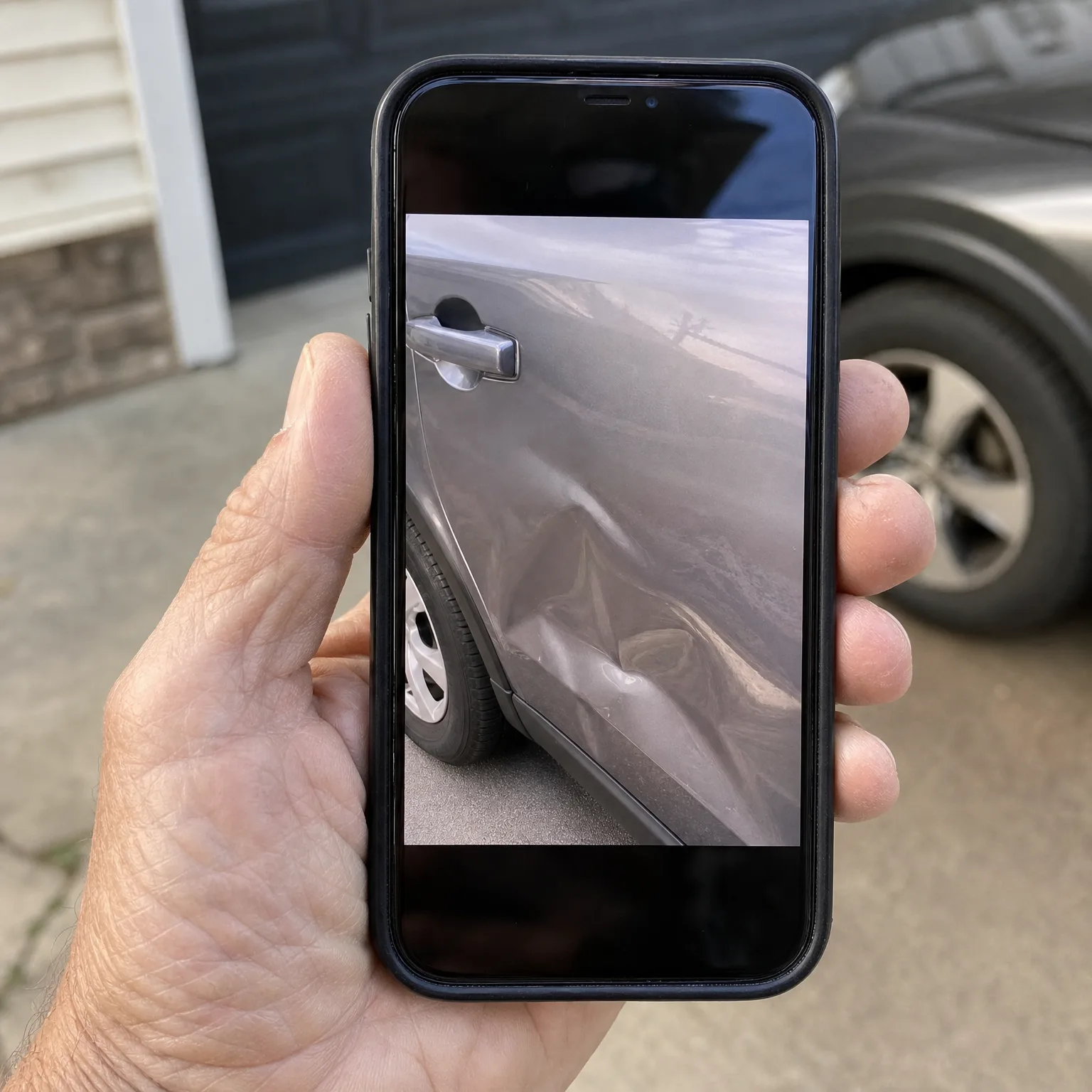
Deductible for Vandalism
The deductible for vandalism is the amount you pay out of your own pocket before your comprehensive coverage pays for damage someone caused to your car on purpose, like keyed paint or broken windows.
What the deductible applies to
Covers
- Keyed or scratched paint If someone drags a key along your door panels, you pay the deductible and comprehensive covers the rest of the repair.
- Broken windows or mirrors A smashed window from a thrown object or a snapped-off mirror falls under this same deductible once comprehensive pays.
- Slashed tires Tires cut on purpose are treated as vandalism damage, with the deductible applied before any payout.
- Spray paint or graffiti Paint sprayed on the body or windows counts as vandalism, and the deductible comes out before the repaint is covered.
- Keyed or dented body panels from an object thrown at the car Dents from rocks, bottles, or bats thrown at your parked car are covered the same way, minus your deductible.
- Interior damage from a break-in meant to vandalize rather than steal If someone gets in and trashes the inside without taking anything, that damage is handled under this deductible too.
Doesn't cover
- Mechanical breakdowns A failing part or worn-out component isn't vandalism, and it isn't covered by comprehensive at all.
- Damage from your own accident If you back into a pole, that's collision damage with its own separate deductible, not vandalism.
- Theft of the entire vehicle A stolen car is handled under the theft portion of comprehensive, which may carry the same or a different deductible depending on your policy.
- Weather damage Hail, flooding, and falling branches are comprehensive claims too, but they're not vandalism and are explained on their own terms.
- Damage from a hit-and-run driver That's treated as an uninsured motorist or collision claim, not vandalism, since it came from driving rather than a deliberate act against a parked car.
- Normal wear like faded paint or cracked trim Age and weather take a toll on a car's finish, but that gradual wear was never an insurance event to begin with.
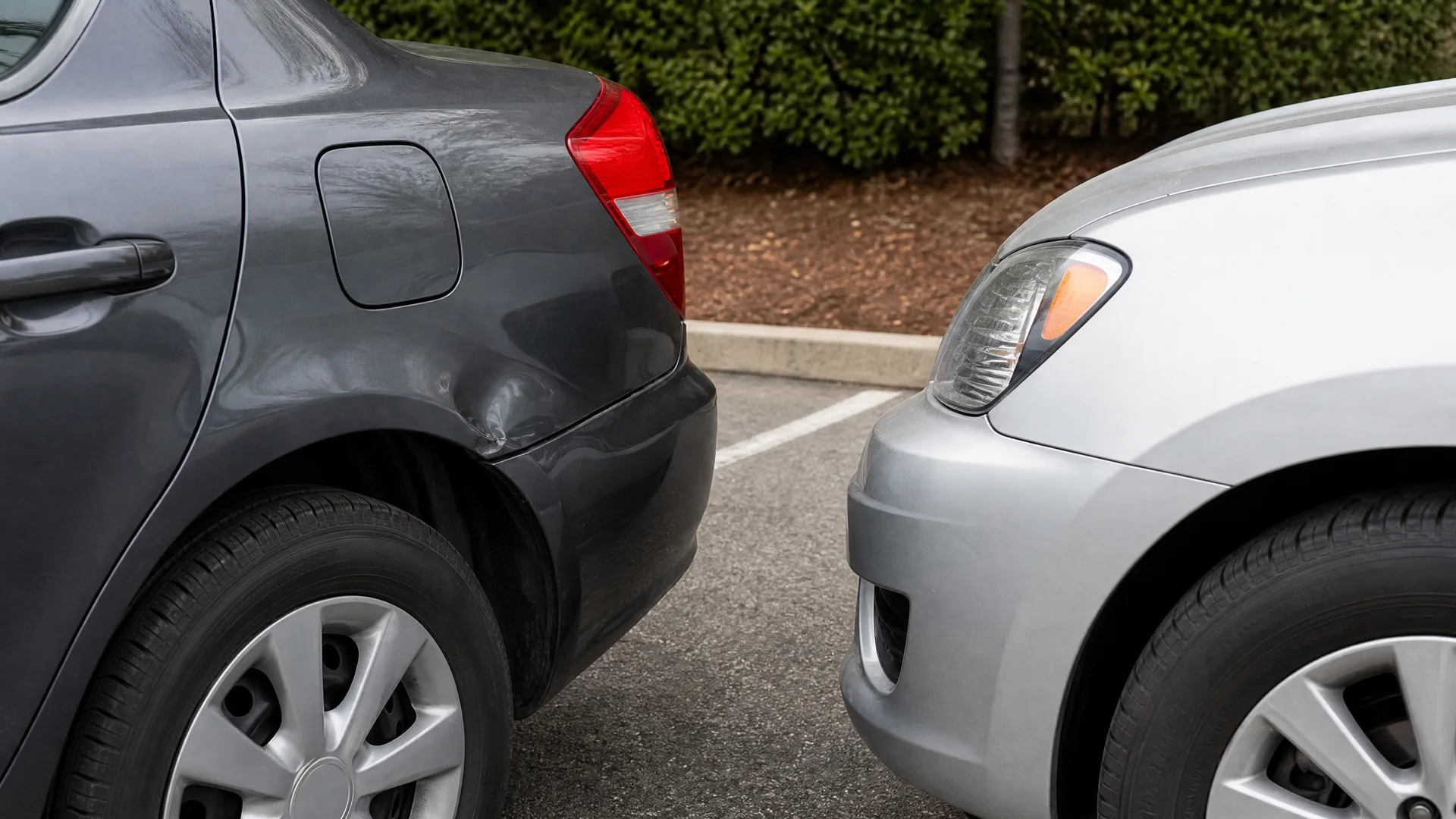
For most older drivers, this coverage is worth keeping only if you already carry comprehensive
This deductible isn't something you buy on its own. It only matters if you already have comprehensive coverage, so the real question is whether comprehensive itself still makes sense for your car.
If your car is paid off and worth only a modest amount, you may be better off dropping comprehensive entirely rather than worrying about the deductible on it. A car worth little isn't going to generate a large enough payout to matter much after the deductible is subtracted.
If you could comfortably cover a repair bill from savings, you might choose a higher deductible to lower what you pay for the policy each year. If a surprise repair bill would strain your budget, a lower deductible gives you more predictable costs when something happens.
Where the car sits matters too. A car kept in a locked garage every night faces a lot less vandalism risk than one parked on a street or in a shared lot, and that's worth factoring in alongside how often you actually drive it.
How a vandalism claim actually plays out
Once you report the damage, the insurer confirms it fits the definition of vandalism rather than an accident or weather event. You pay your deductible, and the insurer covers the repair cost above that amount, up to the car's value.
Have a few things ready when you call: when you noticed the damage, where the car was parked, and whether you filed a police report. A police report isn't always required, but having one on file tends to make the claim move faster.
The payment covers repairing or replacing what was damaged, like glass, paint, or tires. It won't cover anything unrelated that was already wrong with the car before the incident, and an adjuster may ask to inspect the vehicle in person before approving the repair shop's estimate.
If the damage is minor enough that the repair cost falls under your deductible, there's no point filing a claim at all since you'd be paying the full cost yourself either way.
Vandalism deductible vs. collision deductible
Vandalism deductible (under comprehensive)
This applies when someone deliberately damages your parked car, like keying it or breaking a window. It falls under your comprehensive coverage, which handles non-driving events.
Collision deductible
This applies when your car is damaged through an actual collision, whether you hit something or another driver hits you. It's a separate deductible that can be set at a different amount than your comprehensive deductible.
If the damage happened while your car was parked and untouched by anyone driving it, it's a vandalism claim; if it happened while a vehicle was in motion, it's a collision claim instead.
Real situations
You come out of a grocery store to find someone has keyed a long scratch down the side of your car in the parking lot.
This is vandalism, so comprehensive pays for the repair once you cover your deductible.
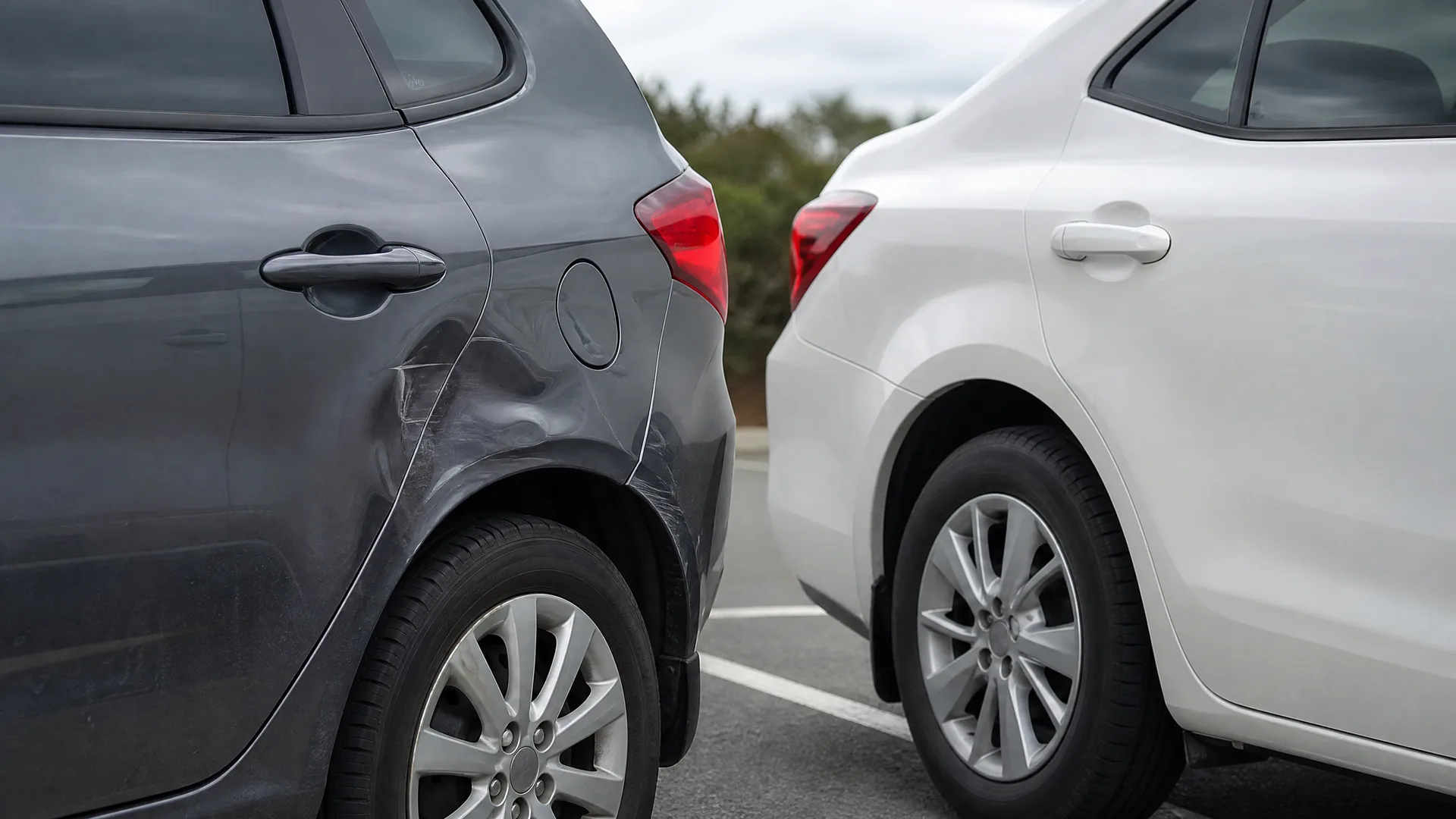
A kid on a bike swerves into your parked car and dents the rear panel while you're inside visiting a friend.
This may be treated as an accident rather than vandalism, so it could fall under a different part of your policy or the other party's liability.
Someone smashes your driver's side window overnight while the car is parked in your driveway, but nothing is stolen.
This is vandalism, and comprehensive covers the window repair above your deductible.
Once you know how you want your vandalism deductible set, compare quotes to see how that choice affects what you pay overall.
Questions people ask about this
Is vandalism the same as malicious mischief on my policy?
Yes, many policies use the term malicious mischief instead of vandalism, and they mean the same thing. Check the definitions section of your policy to see which wording your insurer uses. The coverage itself works the same either way.
Can my insurer raise my rate after a vandalism claim?
It's possible, since insurers can factor in any claim when setting future rates, even one that wasn't your fault. Ask your agent how your particular insurer treats comprehensive claims like this one. Some treat vandalism claims more leniently than at-fault accidents.
Do I need a police report to file a vandalism claim?
Not always, but it helps your claim move faster and gives the insurer documentation that the damage was intentional. Check with your insurer about their specific requirement before assuming you need one. Filing one costs you little time and can only strengthen your claim.
What if I don't know who vandalized my car?
That's fine, since you don't need to identify the person responsible to file a claim. Comprehensive coverage pays regardless of whether the vandal is caught. You just need to document the damage and report it.
Should I choose a different deductible for vandalism than for other comprehensive claims?
Usually you can't, since most policies apply one comprehensive deductible to all non-collision claims, including vandalism, theft, and weather. Ask your agent whether your policy allows separate deductibles for different types of comprehensive claims. If it does, you can weigh each type of risk separately.