Car Insurance Deductibles When You Rarely Drive
A deductible is the amount you pay out of your own pocket before your collision or comprehensive coverage pays the rest of a covered repair or claim.
What the deductible applies to
Covers
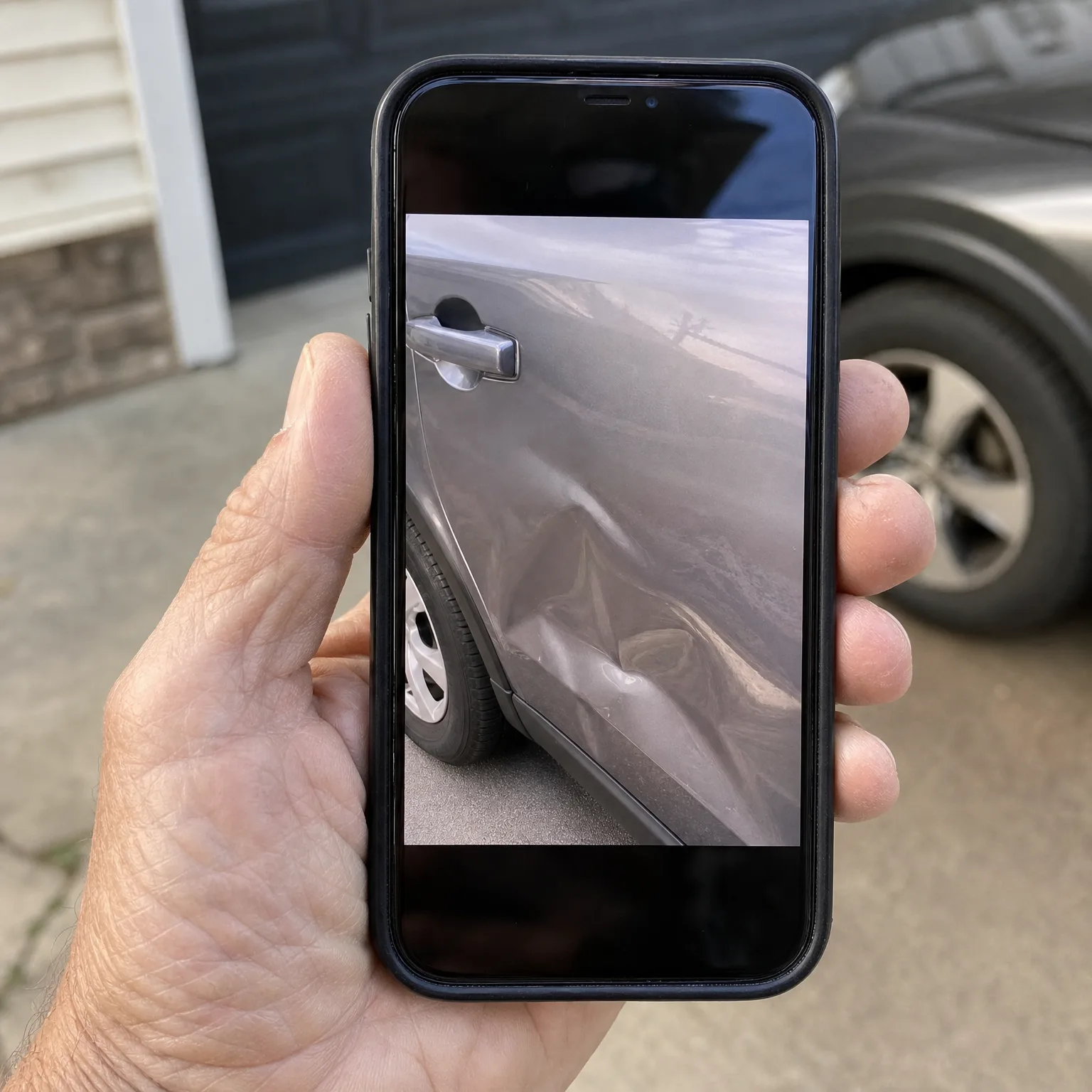
- Collision repairs If your car hits another car or an object, the deductible comes off the top of what it costs to fix it.
- Comprehensive claims Damage from weather, fire, animals, or a falling branch gets paid out after you cover the deductible amount.
- Theft of the vehicle If the car is stolen and not recovered, the payout for its value is reduced by your deductible.
- Glass and windshield damage Many policies run cracked glass through comprehensive, so the same deductible usually applies unless you've added separate glass coverage.
- Vandalism to the car Keyed paint or broken windows while parked fall under comprehensive, with the deductible subtracted before payment.
Doesn't cover
- Your medical bills Injuries to you are handled by medical payments, personal injury protection, or health insurance, not by the deductible on your car damage.
- A rental car automatically Rental reimbursement is a separate coverage you add on, and it has its own terms apart from the deductible.
- The other driver's car If someone else caused the accident, their liability coverage should pay for your damage with no deductible on your side.
- Normal wear and mechanical failure A worn-out transmission or a battery that dies isn't a claim at all, so the deductible never comes into play.
- Diminished value after repair Some policies won't pay for the drop in resale value a repaired car suffers, deductible or not, so check your own policy for this.
For many low-mileage older drivers, a higher deductible makes sense, dropping the coverage entirely usually doesn't
Start with the car itself. If it's older, paid off, and worth modest money, a smaller claim might not be worth filing even with coverage, which is an argument for raising your deductible rather than dropping the coverage outright. If the car is newer or still financed, the lender likely requires comprehensive and collision anyway, and the deductible is the part you actually control.
Think about what you could absorb from savings without stress. Someone who could comfortably write a check for a larger deductible can lower their ongoing cost by choosing one. Someone who would struggle to come up with that amount should keep the deductible lower, even though it costs more over time, because the point of the coverage is to prevent a financial shock.
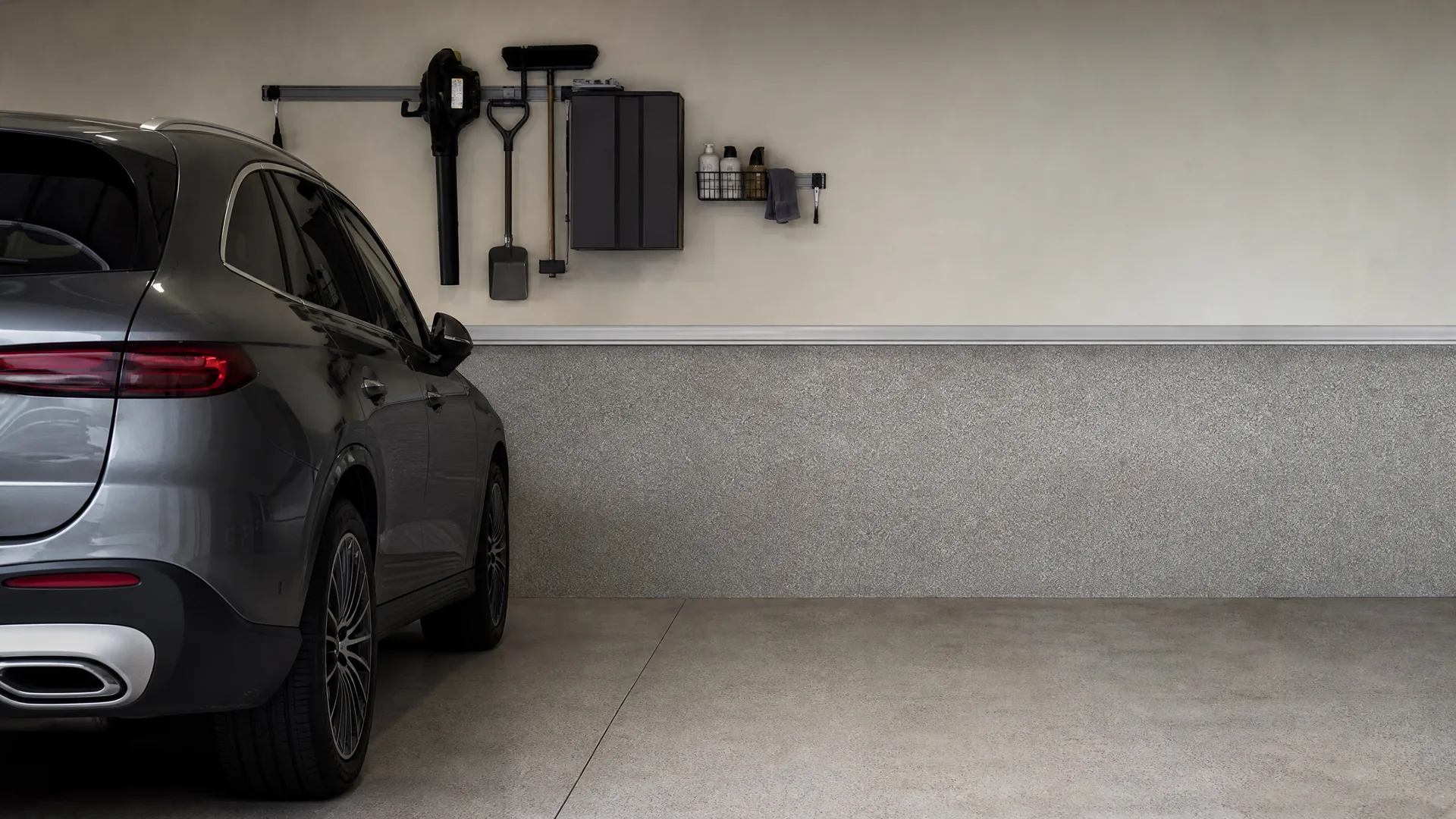
Driving less doesn't eliminate risk, it just changes its shape. A car that sits most days is less likely to be in a collision but more exposed to hail, falling limbs, animal strikes, and theft from a driveway or parking lot, all of which fall under comprehensive rather than collision. Where the car spends its time, whether in a garage, on a street, or in an open carport, matters more to this risk than how many miles go on the odometer.
Few older drivers with a car worth keeping should drop this coverage altogether. The more useful move is almost always adjusting the deductible to match what you actually drive and what you could afford to lose, rather than carrying a low deductible built for someone who's on the road every day.
What happens when you actually file a claim
You pay the deductible amount first, and the insurer covers the remaining cost of the repair or the remaining value of the loss, up to the limits of your policy. If the repair costs less than your deductible, there's effectively nothing for the insurer to pay, so many people in that situation choose not to file at all.
For a collision, you'll typically get an estimate from a repair shop or the insurer's adjuster, and the insurer pays the shop directly for the amount above your deductible. For a comprehensive claim like hail or a cracked windshield, the process is similar, though it often moves faster since there's no question of who's at fault.
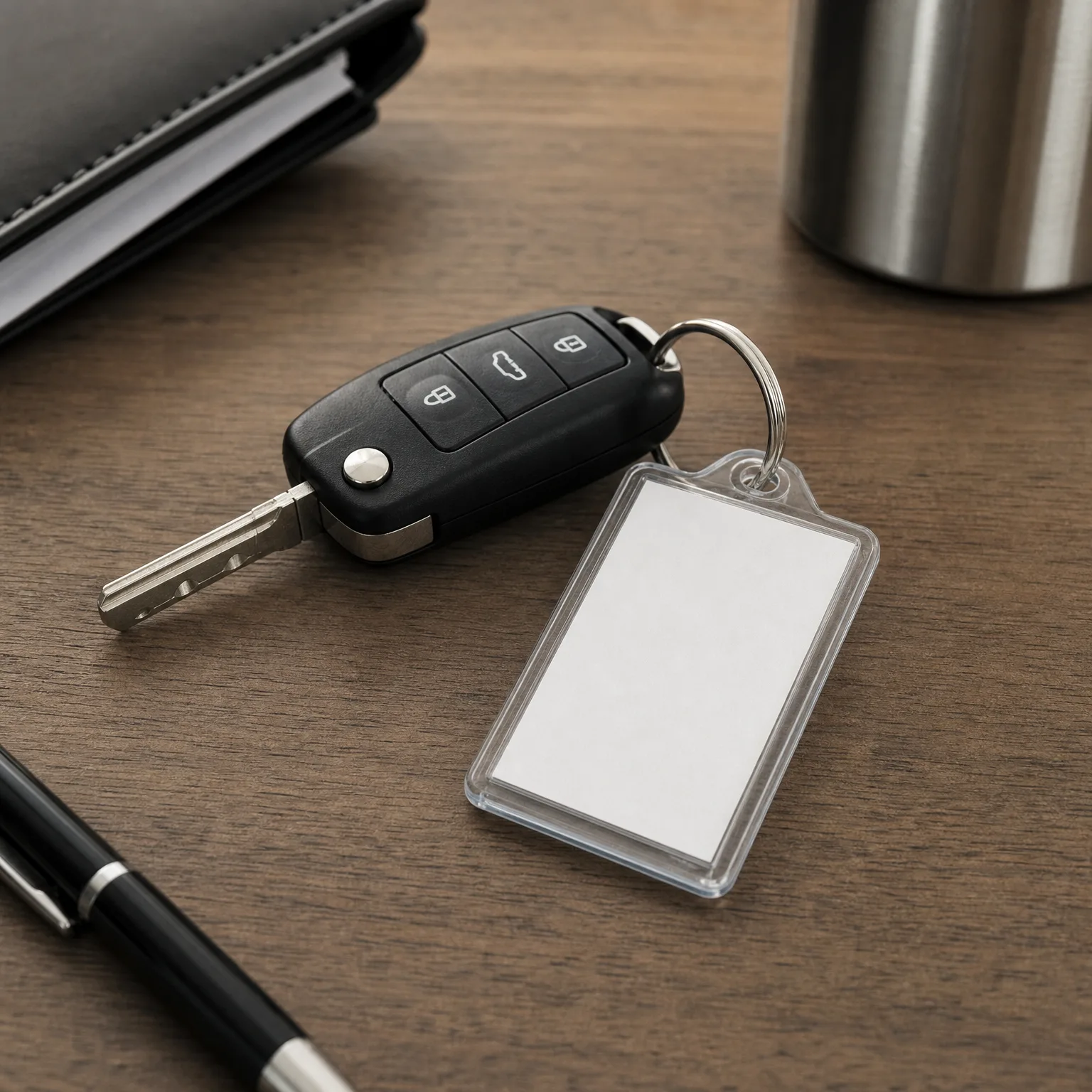
Have your policy number, photos of the damage, and a basic account of what happened ready when you call. If another vehicle or animal was involved, note where and roughly when it happened, since that can matter for how the claim is categorized.
Keep in mind that filing a claim, even a comprehensive one with no fault involved, can still affect your rate at renewal. That's worth weighing against the size of the repair before you decide to file.

Deductible amount versus liability coverage
Collision and comprehensive deductible
This is the amount you pay before your own coverage pays for damage to your own car, whether from an accident, weather, or theft. It only matters if you carry collision and comprehensive coverage in the first place.
Liability coverage
Liability pays for damage or injury you cause to someone else, and it has no deductible at all. It's required almost everywhere, while comprehensive and collision are optional once a car is paid off.
If your car is older and you're deciding what to cut to save money, look at dropping comprehensive and collision before you'd ever touch liability.
Real situations
Hail hits your car while it's parked outside during a Sunday service.
This pays, since hail damage falls under comprehensive and the deductible comes off the repair cost.
A deer runs into the road at dusk on a county highway and you can't avoid it.
This pays, as an animal collision is treated as a comprehensive claim in most policies, not collision.
Your car's air conditioning compressor fails after years of normal use.
This doesn't pay, because mechanical breakdown from age and wear isn't a covered loss at all.

Once you know what deductible fits your savings and how the car is actually used, you're ready to compare quotes built around that number.
Questions people ask about this
Can I have different deductibles for comprehensive and collision?
Yes, most insurers let you set them separately. People sometimes keep a lower comprehensive deductible since those claims, like glass or hail, tend to be smaller and more frequent, while setting a higher collision deductible to lower the overall premium.
Does my deductible reset every year?
No, a deductible isn't tied to the calendar, it applies separately each time you file a claim. Some policies do offer a feature that lowers your deductible for going a period without a claim, so check your declarations page for anything like that.
What happens if the repair costs less than my deductible?
You simply pay for the repair yourself and there's no claim to file. Many people in this situation skip the claim entirely to avoid it showing up at renewal.
Can I change my deductible mid-policy?
In most cases yes, you can call your insurer or agent and adjust it before your next renewal, and the change usually takes effect quickly. Raising it lowers your premium going forward, but it won't apply to a claim already in progress.
Does a paid-off car still need comprehensive and collision?
Not necessarily, it depends on what the car is worth and what you could afford to replace it with. Many drivers with an older, lower-value paid-off car choose to carry liability only, since a claim payout on an older car might not be much more than the deductible itself.