Car Insurance Deductibles After Retiring
A deductible is the amount you pay out of your own pocket before your collision or comprehensive coverage pays the rest of a covered repair or loss.
What the deductible applies to
Covers
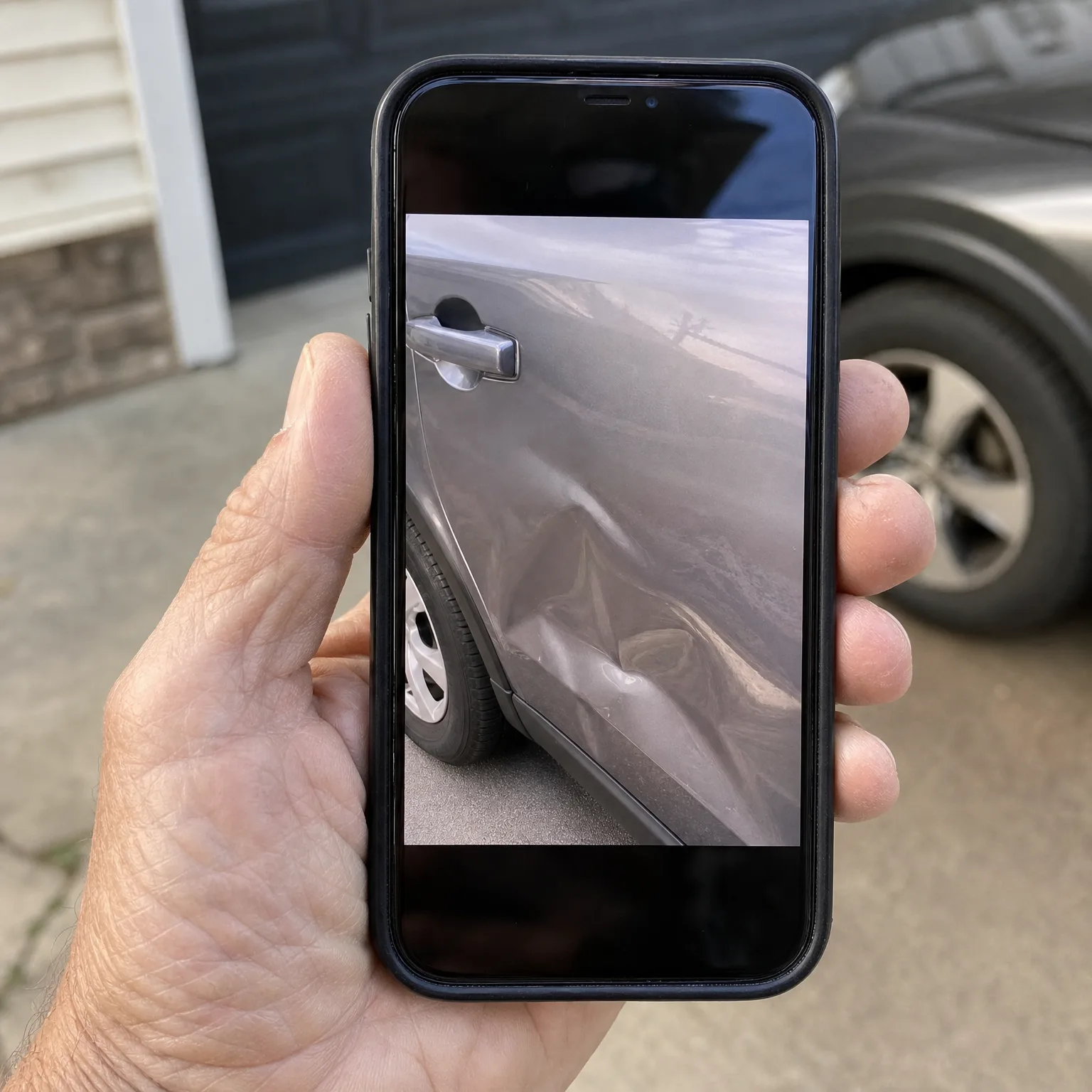
- Collision repairs If you hit another car or an object, or your car rolls, you pay the deductible and your policy covers the rest of the repair.
- Comprehensive repairs Damage from hail, fire, falling branches, or animals works the same way, with the deductible subtracted from what the insurer pays.
- Theft of the vehicle If the car is stolen and not recovered, the payout is based on the car's value minus your deductible.
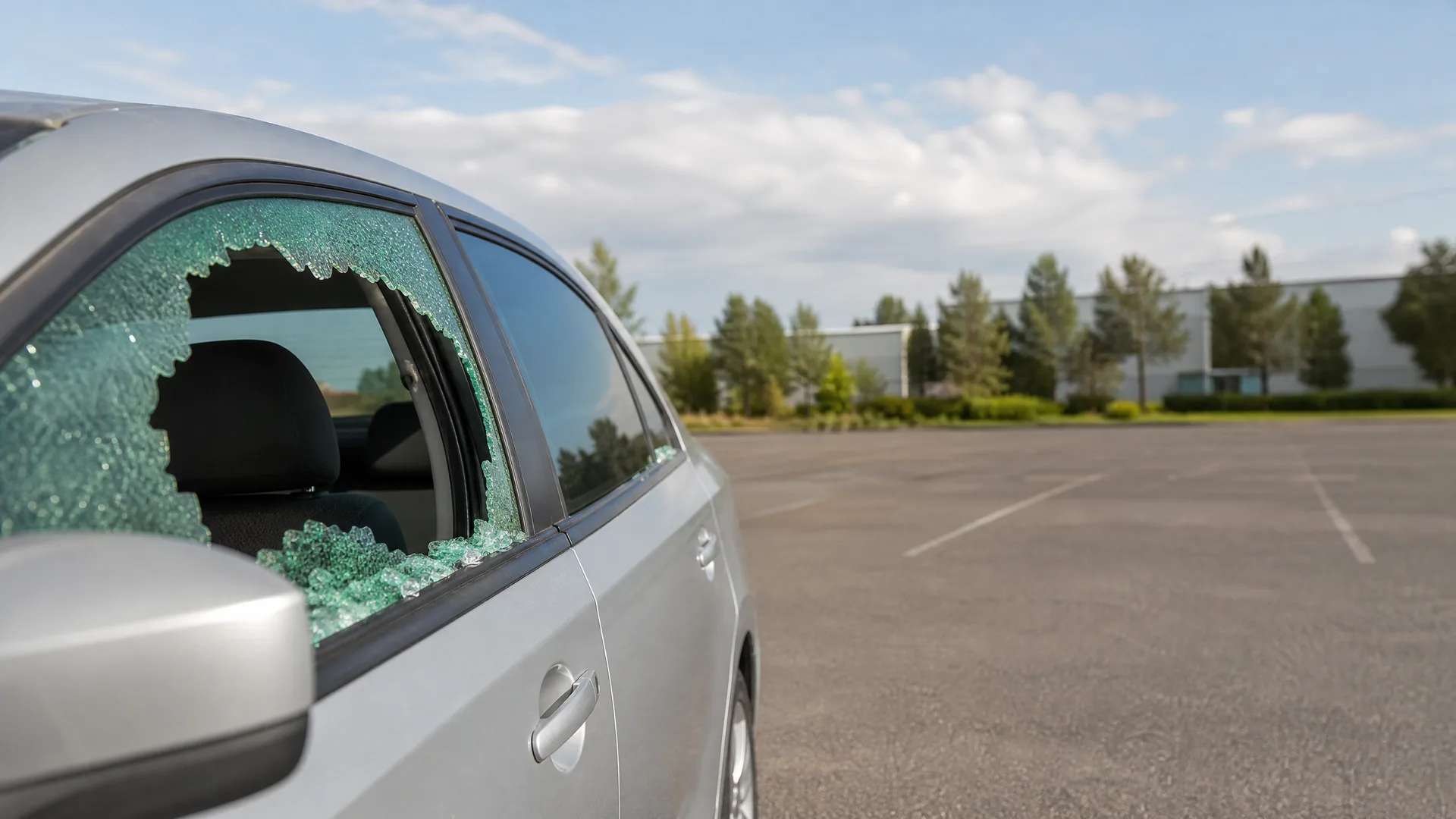
- Glass damage in some cases A cracked windshield often falls under comprehensive, so the same deductible may apply unless your policy handles glass separately.
- Partial losses after a storm Wind or flood damage that doesn't total the car still goes through the deductible before any payment is made.
Doesn't cover
- Your medical bills Injuries to you are handled under medical payments or personal injury protection, not the collision or comprehensive deductible.
- The other driver's car If you're found at fault, their repairs come out of your liability coverage, which doesn't have a deductible at all.
- Normal wear and mechanical failure A worn-out transmission or a battery that dies isn't a covered loss, so no deductible ever comes into play.
- A rental car while yours is fixed That's a separate add-on with its own terms, and it doesn't reduce or interact with your repair deductible.
- The full value of an older car Once a car is only worth a modest amount, the payout after the deductible may be small no matter how the claim goes.
For many older drivers with a paid-off, older car, carrying collision and comprehensive at all is the real question, not just the deductible
Start with what the car is worth. If it's an older vehicle that's been paid off for years, the most the insurer will ever pay out on a claim is tied to that value, not to what you originally paid or what it would cost to replace. A high deductible on a low-value car can leave you with barely any payout at all after a claim.
Think about what you could absorb from savings without strain. If a four-figure repair bill or the loss of the car wouldn't upend your finances, a higher deductible makes sense and lowers what you pay for the policy every period. If a sudden repair bill would be a real hardship, a lower deductible is worth the added cost even on an older car.
How much you actually drive matters too. Many people this age are driving fewer miles than they used to, less commuting, fewer long trips. Less time on the road is less exposure to a collision, which shifts the math toward a higher deductible or even dropping collision coverage on a car that isn't worth much anyway.
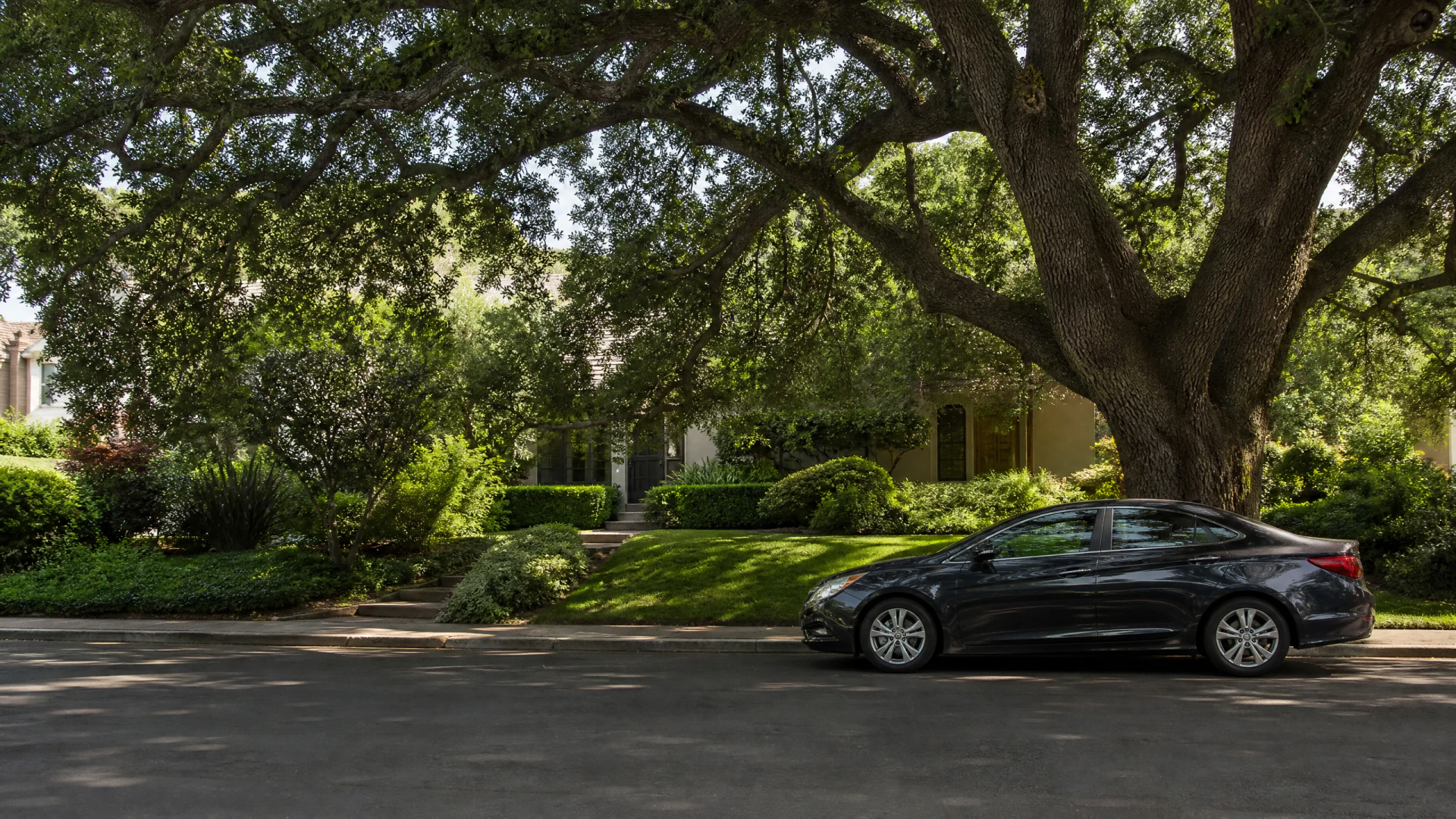
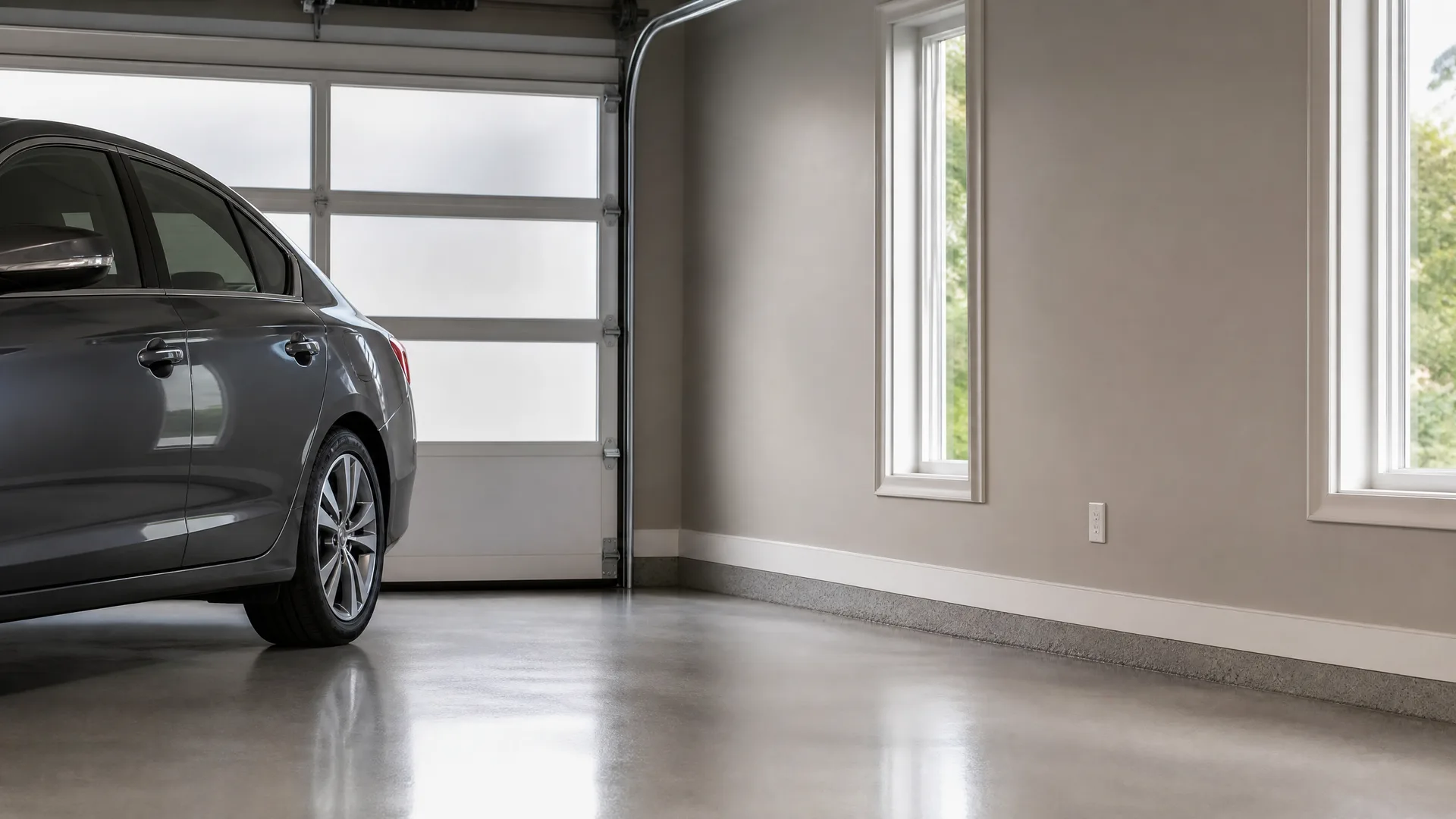
Where the car sits overnight matters for comprehensive specifically. A car kept in a garage faces less risk from hail, falling limbs, or theft than one parked on the street, and that can factor into whether comprehensive at a given deductible is still earning its keep.
What actually happens when you file a claim
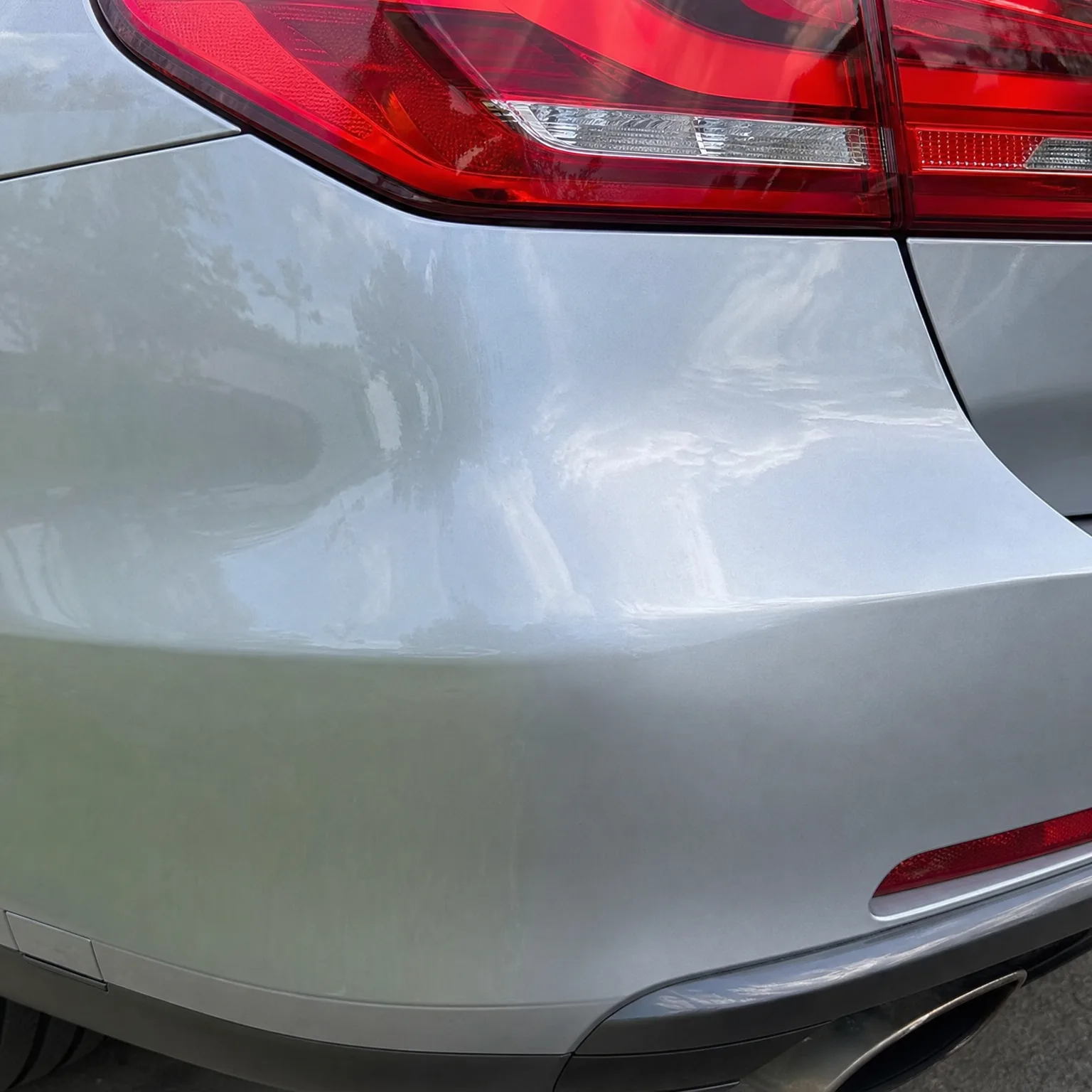
The deductible is subtracted from the covered repair cost or the car's value, not added as a separate bill. If the shop's estimate comes in at a certain amount, you pay your deductible directly to the shop or it's withheld from the check, and the insurer covers the remainder.
For a repair, you'll typically get an estimate from an approved shop or an adjuster, and the insurer pays based on that estimate rather than whatever you'd prefer to spend. For a total loss, the insurer determines the car's value first and then subtracts the deductible from that figure before cutting a check.
Have your policy details, photos of the damage, and a police or incident report ready if one applies. The claims process moves faster when you can answer basic questions about when and how the damage happened without having to dig for the information.
Keep in mind that filing a claim, even a small one, can affect your policy going forward. For minor damage close to your deductible amount, it's worth asking whether paying for it yourself makes more sense than filing at all.
Collision and comprehensive deductibles versus liability coverage
Collision and Comprehensive Deductible
This applies to damage to your own car, whether from an accident, weather, theft, or hitting an animal. You choose the deductible amount, and it directly affects your premium.
Liability Coverage
This pays for damage or injury you cause to other people and their property. It has no deductible, and in most places you're required to carry some amount of it to drive legally.
If your car is older and modest in value, liability is the coverage you can't skip, while collision and comprehensive are the ones worth reconsidering.
Real situations
Hail tears through the parking lot during a Sunday service and dents the hood and roof of your car.
Comprehensive coverage pays for this, minus your deductible, since hail is treated as a weather event rather than a collision.
A deer runs into the road at dusk on a county highway and you can't avoid hitting it.
This falls under comprehensive as well, so it pays out the same way hail or theft would, minus your deductible.
You back into your own mailbox post while pulling out of the driveway and dent the bumper.
Collision coverage applies here, but on a minor dent like this, many people choose to pay out of pocket rather than file a claim.
Once you've decided what deductible fits your car's value and what you can comfortably cover yourself, you're ready to compare quotes built around that choice.
Questions people ask about this
Can I change my deductible in the middle of my policy?
Yes, you can usually request a change at any time, not just at renewal. The new deductible typically takes effect once the insurer processes the change, so confirm the effective date before you assume it's active. Ask whether changing it affects your premium right away or only at your next renewal.
Do I need collision coverage on a car that's paid off?
Not necessarily, it depends on the car's value and your own finances rather than whether a lender requires it. Once there's no loan involved, the decision is entirely yours, based on what you could afford to repair or replace the car for on your own. Many drivers drop collision on an older, low-value car once that math stops making sense.
Does my deductible go up as I get older?
Your deductible itself doesn't change based on your age, since you're the one who sets that amount. Your overall premium may shift with age due to other factors insurers consider, but the deductible stays whatever you've chosen until you change it yourself. Check your policy directly if you're unsure what's currently set.
What happens if the repair costs less than my deductible?
If the repair comes in under your deductible amount, the insurer pays nothing and you cover the entire cost yourself. In that situation there's often little reason to file a claim at all, since it wouldn't result in any payout. It's worth getting a repair estimate before deciding whether to even contact your insurer.
Should I have different deductibles for collision and comprehensive?
Yes, many people do, since the two cover different kinds of risk. A lower deductible for comprehensive can make sense because weather and theft claims are often smaller and more random, while a higher collision deductible can work if you're a careful, low-mileage driver. Review both separately rather than assuming they should match.