Car Insurance Deductibles After a Spouse Dies
A deductible is the amount you pay out of your own pocket before your collision or comprehensive coverage pays the rest, and a spouse's death doesn't change how that math works, only who's managing the policy.
What the deductible applies to
Covers
- Collision damage If the car hits another vehicle or an object, you pay the deductible first and the coverage pays what's left of the repair.
- Comprehensive damage Weather, animals, fire, theft, and vandalism fall under comprehensive, and the same kind of deductible applies before that coverage pays.
- Repair costs up to the car's value The payout is capped at what the car is worth right now, not what you paid for it or what repairs cost beyond that value.
- A total loss payout If the car is totaled, the company pays its value minus the deductible, as a lump sum instead of a repair bill.
- Separate deductibles for different coverages Collision and comprehensive usually carry their own deductible amounts, and you can set them differently.
Doesn't cover
- Liability for other people Damage or injury you cause to someone else is paid through liability coverage, which doesn't have a deductible at all.
- Medical bills after a crash Your own injuries are handled through medical payments or personal injury protection, a separate part of the policy with its own terms.
- Funeral or final expenses Nothing in an auto policy pays for funeral costs, those come from life insurance or the estate, not car insurance.
- Probate or title transfer costs Moving the car's title into one name after a spouse dies is a legal and paperwork matter, not something auto insurance touches.
- A lower deductible just because of the loss The deductible amount stays whatever was chosen on the policy, grief doesn't adjust it, only a call to change it does.
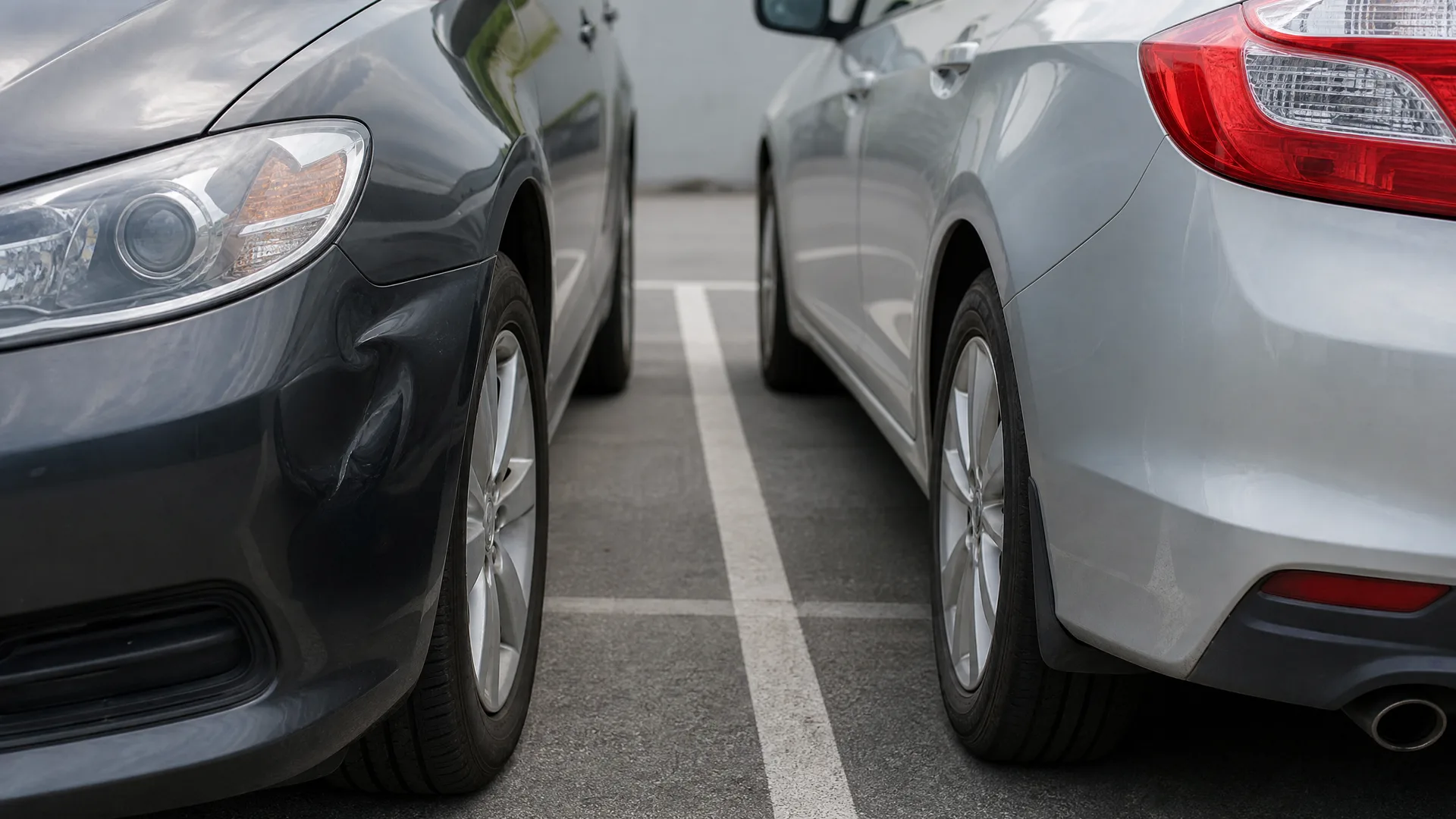
Keep the coverage, but look hard at the deductible amount
The deductible itself isn't optional in the way liability coverage sometimes is, it's just the number you've chosen for collision and comprehensive. The real decision after a spouse dies is whether that number still fits your life, not whether to have the coverage at all.
If the car is older and mostly paid off, think about what it's actually worth. A low deductible on a car with modest value means you're paying extra every year for a payout that's already small if the car is ever totaled.
How much of a sudden repair bill you could cover from savings matters more now than it might have with two incomes managing the household. A higher deductible lowers the premium, but only makes sense if that amount sitting in savings wouldn't be a hardship to spend.
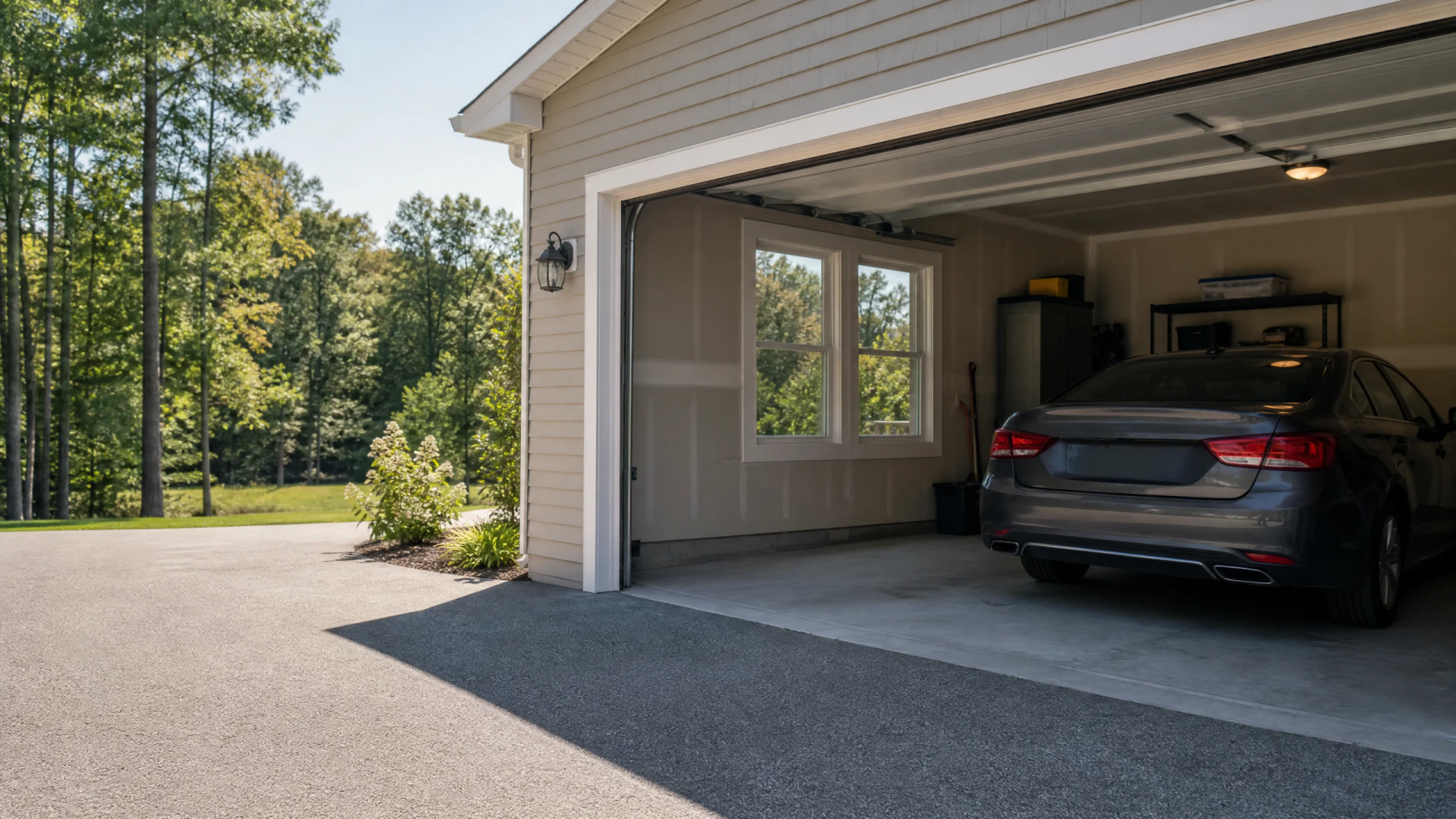
How often the car is driven now also matters. A car that mostly sits in a garage and gets driven to appointments and church faces less risk than one used for a daily commute, and some people lower their deductible or their overall coverage once driving drops off.
How a claim actually moves
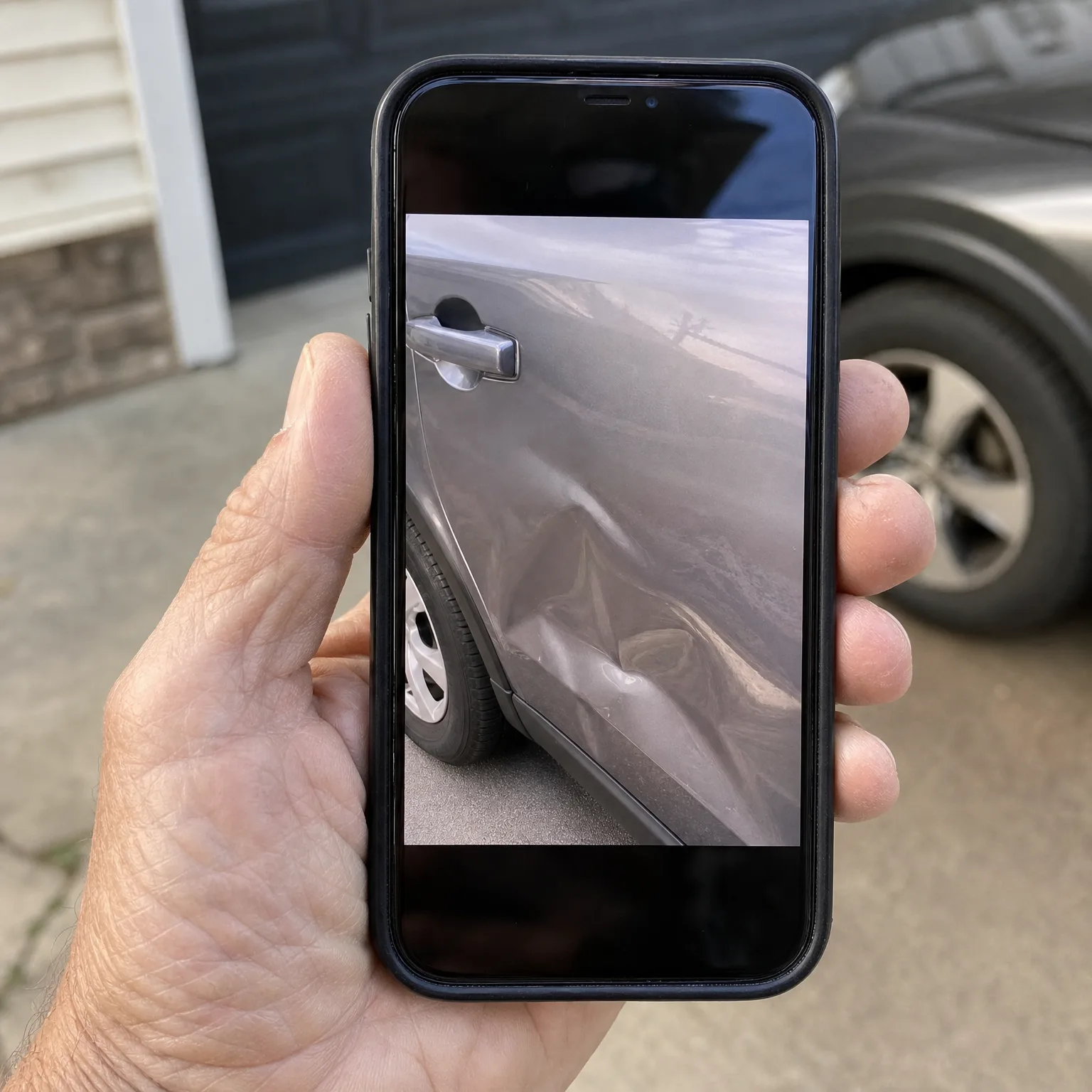
When something happens to the car, you file a claim and the company sends someone to look at the damage or arranges for a shop to estimate it. Whatever the repair costs, you pay the deductible amount and the insurer pays the rest, up to the car's value.
If the damage adds up to more than the car is worth, the company declares it a total loss instead of paying for repairs. In that case they pay you the car's value minus the deductible, as one payment, and you no longer own the car unless you negotiate to keep the wreck.
Have the policy number, a description of what happened, and any photos ready when you call. If a police report exists, like after a theft or a crash with another driver, have that too, since it speeds up how fast the claim gets processed.
After a spouse dies, it's also worth confirming the policy is in the surviving driver's name, since a claim can get delayed if the paperwork still lists only the person who died.
Deductible amount versus gap coverage
Collision and comprehensive deductible
This is simply the amount you pay before your own damage coverage kicks in, whether the car was hit by another car, a hailstorm, or a deer. You choose the amount when you set up the policy, and it stays the same until you change it.
Gap coverage
Gap coverage pays the difference between what you still owe on a loan or lease and what the car is actually worth if it's totaled. It only matters if there's still a loan on the car.
If the car is paid off, the deductible amount is what deserves your attention, gap coverage has nothing left to do.
Real situations
A hailstorm rolls through while the car is parked at church on a Sunday morning, leaving dents across the hood and roof.
Comprehensive coverage pays for the repair once you cover the deductible, since hail falls under that part of the policy.
A deer steps onto a county road at dusk and the car can't stop in time, damaging the front end.
This is treated as a comprehensive claim in most policies, so it pays out the same way, deductible first, then the rest.
The car is parked on the street downtown and someone backs into it, leaving a note with no contact information that turns out to be fake.
Without insurance information from the other driver, this becomes a collision claim on your own policy, deductible applies, unless you have separate uninsured motorist coverage that fits instead.
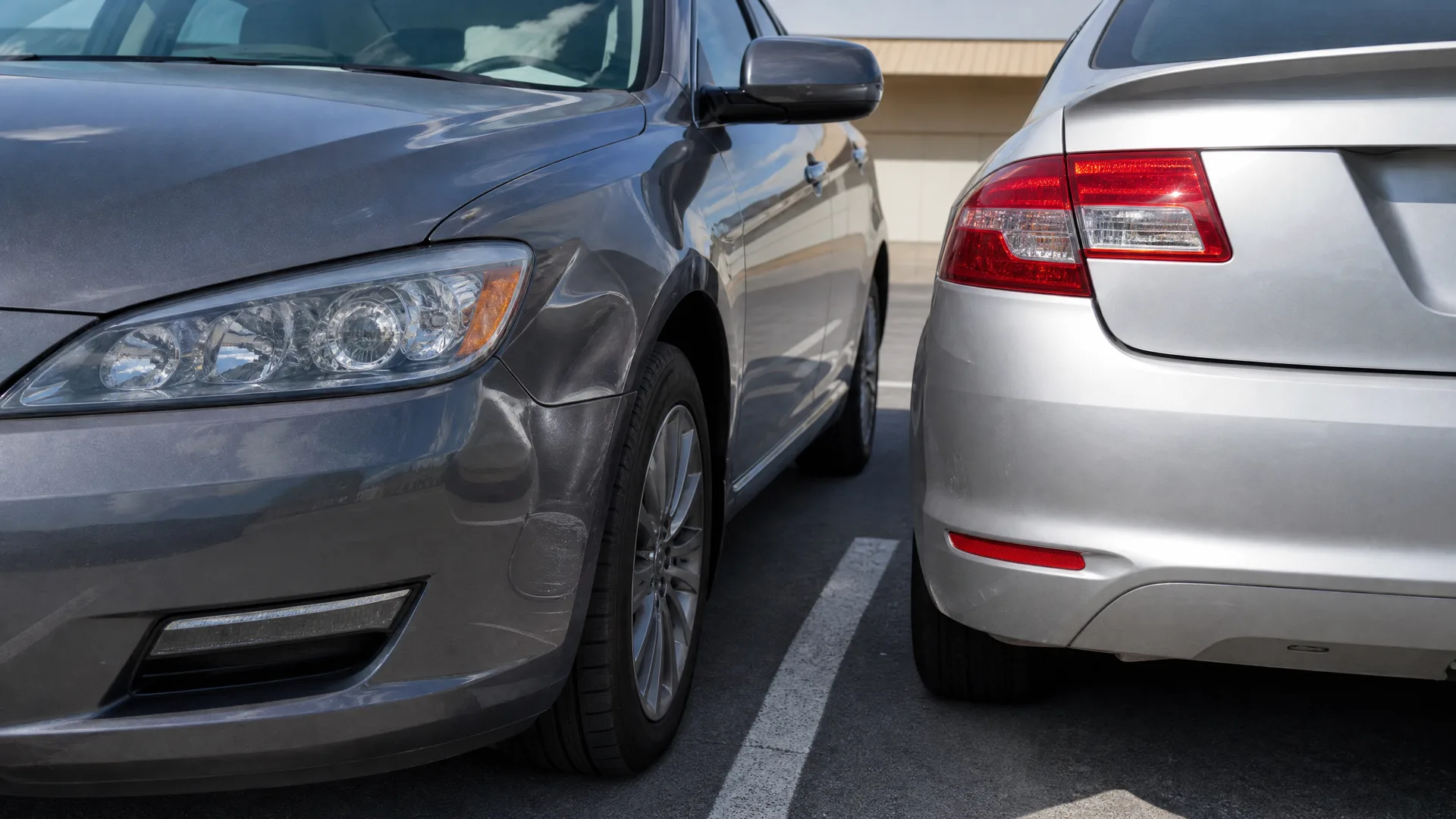
Once you know what deductible amount actually makes sense for your car and your savings, you're ready to compare quotes built around that number.
Questions people ask about this
Do I need to change my car insurance after my spouse dies?
You need to update the policy to reflect who's driving and owning the car now, though the coverage itself doesn't have to change. Contact the insurer to move the policy fully into your name, confirm the listed drivers are correct, and ask whether removing a driver affects the premium. This is also a good time to review every coverage on the policy, not just the deductible.
Can I lower my deductible at any time?
Yes, you can usually raise or lower your deductible whenever you want by calling the insurer or adjusting it online. A lower deductible raises your premium, a higher one lowers it, and the change usually takes effect on your next billing cycle. There's no waiting period tied to a life event like this.
Should I drop collision coverage on an older car?
It depends on what the car is worth and how much you'd get back if it were totaled. If the car's value is low enough that a payout wouldn't be much more than the deductible itself, some people choose to drop collision and comprehensive and cover repairs themselves instead. This decision varies a lot based on how much driving you still do and where the car is parked.
Does my deductible reset every year?
No, the deductible isn't something that resets or gets used up, it applies separately to every claim you file. You could file two claims in the same year and pay the deductible both times. It only changes if you or the insurer adjusts the policy itself.
Is car insurance required to keep driving after a spouse dies?
Whether a particular coverage is required at all varies by state, so check your own policy or your state's rules rather than assuming. Liability coverage is required almost everywhere to keep driving legally, but requirements around collision or comprehensive differ depending on where you live and whether a loan is attached to the car.