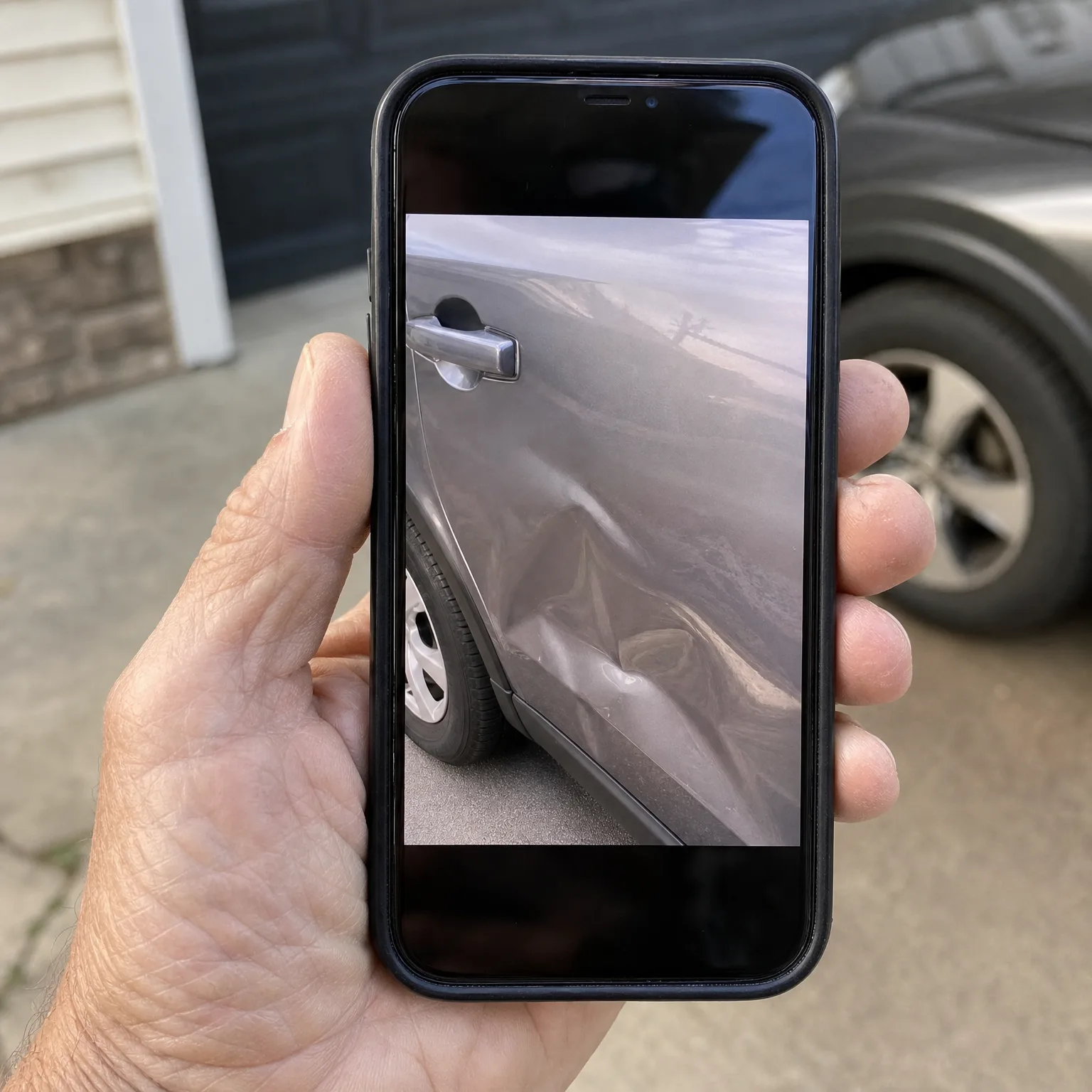
Why Am I Paying More Than My Deductible
Your deductible is just what you pay if you file a claim. Your premium pays for everything else the policy covers.
The deductible and the premium pay for different things
Your deductible is the amount you agree to pay out of pocket before your insurer pays a claim. Your premium is what you pay to have the policy at all, whether or not you ever file a claim. There's no rule that says one has to be close to the other.
The premium reflects the insurer's cost to cover you. That includes your coverage limits, the chance you'll file a claim, the cost to repair or replace your car, and what claims cost in your area. A high deductible lowers your premium some, but it doesn't cap what the premium can be.
Your coverage limits probably cost more than your deductible saves you
Liability limits, especially if you carry more than your state's minimum, are often the biggest piece of your premium. Those limits have nothing to do with your deductible. They cover damage or injury you cause to someone else, and insurers price that risk separately from the deductible on your own collision or comprehensive coverage.
If you're carrying higher liability limits, or added coverage like rental reimbursement or roadside assistance, those add to the premium regardless of what your deductible is. Raising your deductible will bring the number down some, but it won't undo what those other coverages cost.
Check your declarations page. It lists each coverage separately, with its own cost. That will show you which parts of the premium your deductible actually affects, and which parts it doesn't touch at all.
Your own risk factors set the premium before the deductible is even considered
Insurers price your policy based on things like your driving record, where you live, how much you drive, and for older drivers, sometimes vision or a recent road test if your state requires one at renewal. These factors can push your premium up well past your deductible amount, no matter how high you set it.
A single recent claim or violation can raise your premium by more than your deductible, because it changes how the insurer sees your risk going forward. That's a different calculation than how much you'd pay out of pocket on a single claim.
If your premium jumped at your last renewal, ask your insurer directly what changed. It could be your record, a change in your coverage, or a rate change across your state that applies to everyone, not just you.
Questions people ask about this
Will raising my deductible lower my premium a lot?
It will lower it some, but usually not as much as people expect. The deductible affects only your collision and comprehensive coverage, not liability, and insurers weigh many other factors too. Ask your insurer for a quote at a higher deductible so you can see the actual difference before you decide.
Why did my premium go up even though I didn't file a claim?
Premiums can rise due to changes that have nothing to do with your own claims history, including rate changes across your state, the rising cost of repairs and medical care, or your insurer reassessing risk for your age group. Ask your insurer what specifically changed at your renewal.
Does a low deductible mean I have better coverage?
Not necessarily. The deductible only affects how much you pay before coverage kicks in on a claim. Your coverage limits and what's included in your policy determine what's actually covered. A low deductible with low coverage limits can still leave you underinsured.
Should I drop collision coverage to lower my premium?
That depends on your car's value and what you can afford to replace it with if it's totaled. If your car is worth little, collision coverage plus your deductible might cost more over time than the car is worth. Ask your insurer what your car's coverage actually costs separately from the rest of your policy.
Can my insurer explain exactly what makes up my premium?
Yes. Your insurer can break down your premium by coverage type, showing what you pay for liability, collision, comprehensive, and any other coverage on your policy. Ask for this breakdown directly if your declarations page doesn't make it clear.
If you want to see whether another insurer would charge you less for the same coverage, it helps to compare quotes side by side.
Pull out your current declarations page and find the line-by-line breakdown of what you're paying for. Call your insurer and ask what changed since your last renewal, especially if your premium went up. Ask them directly how much raising your deductible would actually save you, rather than guessing. If you're close to a birthday or renewal date, ask whether your state requires anything like a vision test or driving course that could affect your rate. Once you know what you're actually paying for, you'll be in a better position to compare that against quotes from other insurers.