How Does Paying Car Insurance Deductible Work
You pay your deductible toward the cost of the claim, and your insurer covers the rest up to your policy's limits.
You pay it when you file a claim, not before
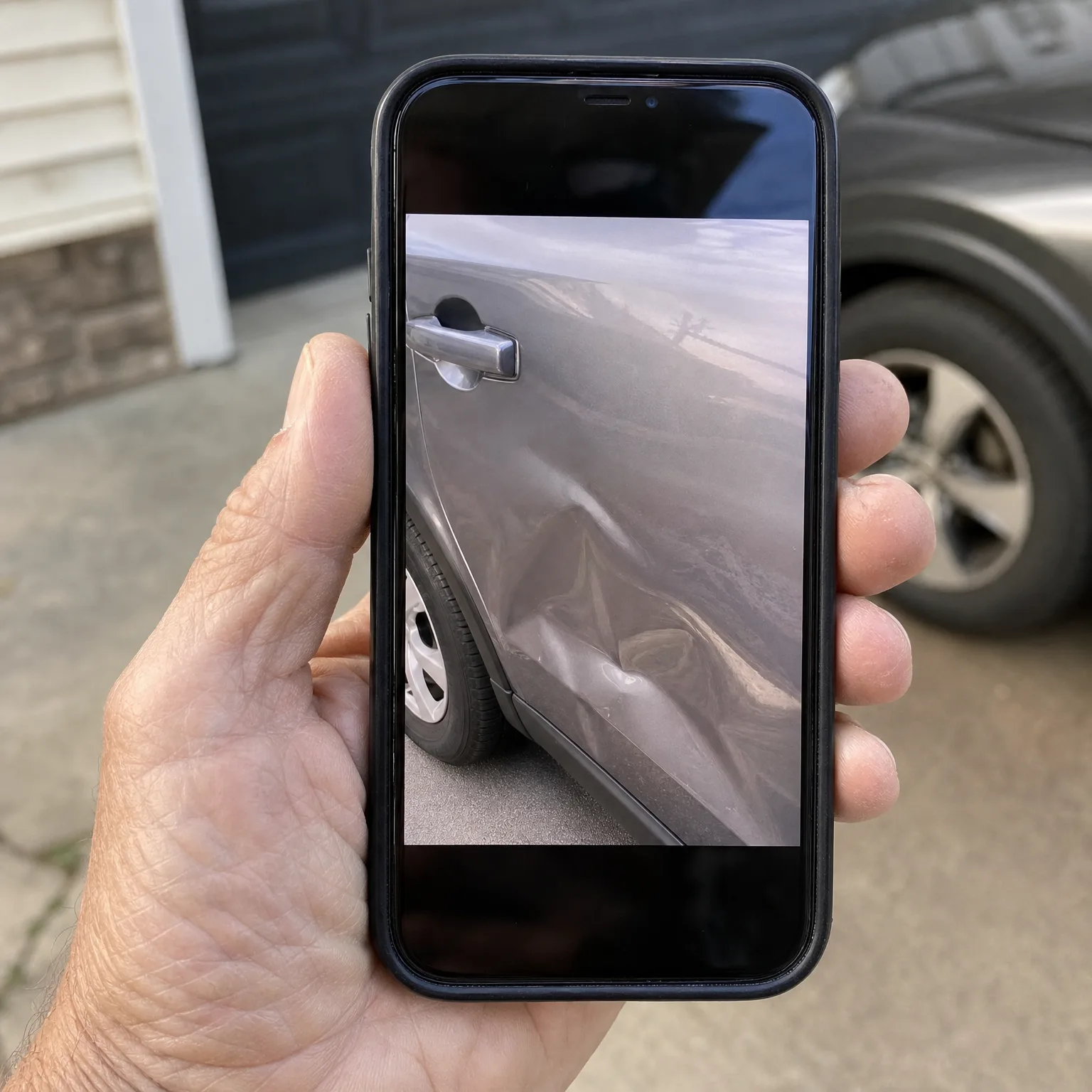
The deductible is the amount you pay out of your own pocket before your insurer pays the rest of a covered claim. If your car needs a repair that costs more than your deductible, you pay that first portion and your insurer pays what's left. You don't send a check to anyone. Most repair shops bill the insurer directly for the balance, and you pay your share to the shop.
This only applies to collision and comprehensive coverage, the parts of your policy that pay for damage to your own car. It doesn't apply to liability coverage, which pays for damage you cause to someone else. If another driver is at fault for the accident, their insurer may cover your repairs without you paying your deductible at all. That depends on who's found at fault and how your state handles claims between insurers.

Your deductible amount decides how much a claim costs you
You chose this number when you bought the policy, usually a few hundred to a couple thousand dollars. It's listed on your declarations page, often separately for collision and comprehensive. Check that page if you don't remember what you picked.
A higher deductible means a lower premium, because you're taking on more of the risk yourself. A lower deductible means a higher premium. Neither is right for everyone. It depends on whether you'd rather pay more now in premium or more later if you have a claim.
If you're on a fixed income, a deductible that was comfortable years ago might not be anymore. It's worth checking what yours is set to and whether you could cover it today if you needed to.
What most people get wrong: small claims aren't always worth filing
If the repair cost is close to your deductible, filing a claim might not save you much money, and it can still affect your premium at renewal. Some insurers raise rates after any claim, even one where you were not at fault. Ask your insurer or agent how they handle that before you file, not after.
Also check whether your deductible is a flat amount or a percentage. A flat deductible stays the same no matter what the repair costs. A percentage deductible is based on your car's value, so it changes if your car's value changes. Your declarations page will say which kind you have.
If you have more than one car on the policy, check whether each car has its own deductible or whether they share one. This varies by insurer, so ask directly if the paperwork isn't clear.
Questions people ask about this
Do I pay my deductible if the other driver was at fault?
Usually not, if their insurer accepts fault and pays the claim directly. You may still need to pay your own deductible up front and get reimbursed later, depending on how your insurer and theirs handle the claim. Ask your insurer how they process at-fault claims from other drivers before you need to.
Can I change my deductible after I buy the policy?
Yes, you can usually ask your insurer or agent to raise or lower it at any time, not just at renewal. Changing it will change your premium going forward. It won't affect any claim you've already filed.
What happens if I can't afford my deductible when I file a claim?
The repair shop generally won't start work until you've paid your share or made arrangements with them directly. Some shops will work out a payment plan, but that's between you and the shop, not your insurer. If this is a concern, it's worth lowering your deductible at your next renewal even though it raises your premium.
Does my deductible reset every year?
No, a deductible isn't something you use up. It applies separately to each claim, so if you file two claims in one year, you pay the deductible both times. It stays the same until you or your insurer changes it.
Is my deductible the same for every type of claim?
Not necessarily. Many policies set separate deductibles for collision and comprehensive claims, and comprehensive often covers things like glass damage, theft, or weather at a different amount. Check your declarations page for each one listed separately.
See what deductible options look like with other insurers before your renewal comes due.
Pull out your declarations page this week and find your collision and comprehensive deductibles. If you're not sure you could cover that amount right now, call your agent and ask what it would cost to lower it. While you're on the phone, ask how a claim where you're not at fault would affect your premium at renewal. If anything in the paperwork is unclear, especially on a multi-car policy, ask directly rather than guessing. It's also a good time to compare what other insurers would charge for the same deductible.