What Does Not Count Towards Your Deductible
A deductible only applies to a covered claim, so anything outside that claim, or outside your coverage, doesn't touch it.
Your deductible only applies inside a covered claim
A deductible is the amount you pay before your insurer pays its share of a specific covered loss. If something isn't a covered loss in the first place, there's no deductible to apply. Routine maintenance, a cracked windshield you fix yourself without filing a claim, a rental car while yours is repaired under some policies, these don't get measured against your deductible because they aren't part of the claim your deductible attaches to.
The other thing that doesn't count is anything tied to coverage you don't carry. If you only have liability coverage, there's no deductible on your own car's damage because there's no coverage for it at all. The deductible rides along with comprehensive and collision coverage specifically. Check your policy's declarations page to see which coverages you have and what deductible sits with each one.

Which coverage the cost falls under changes the answer
Your policy likely has separate deductibles for comprehensive and collision, and some costs don't fall under either. Towing and rental reimbursement are often their own line items with their own limits, not deductibles. If your insurer pays a towing bill, that payment usually isn't reduced by your collision deductible, it's a different benefit with its own rules.
Liability coverage, which pays for damage you cause to someone else's car or property, doesn't have a deductible on your side at all. You don't pay anything toward the other driver's repair costs out of your own pocket first. That confuses people who assume every claim works the same way theirs does.
Medical payments coverage or personal injury protection, if you carry it, typically pays without a deductible too, though this varies by state and by policy. Ask your insurer directly which of your coverages carry a deductible and which don't, since the answer isn't the same for every coverage on the same policy.
What you pay outside a claim never touches the deductible
Your premium, the amount you pay to keep the policy in force, is separate from your deductible in every sense. Paying your premium late or missing a payment doesn't lower or raise what you owe on a claim. They're two different numbers for two different purposes.
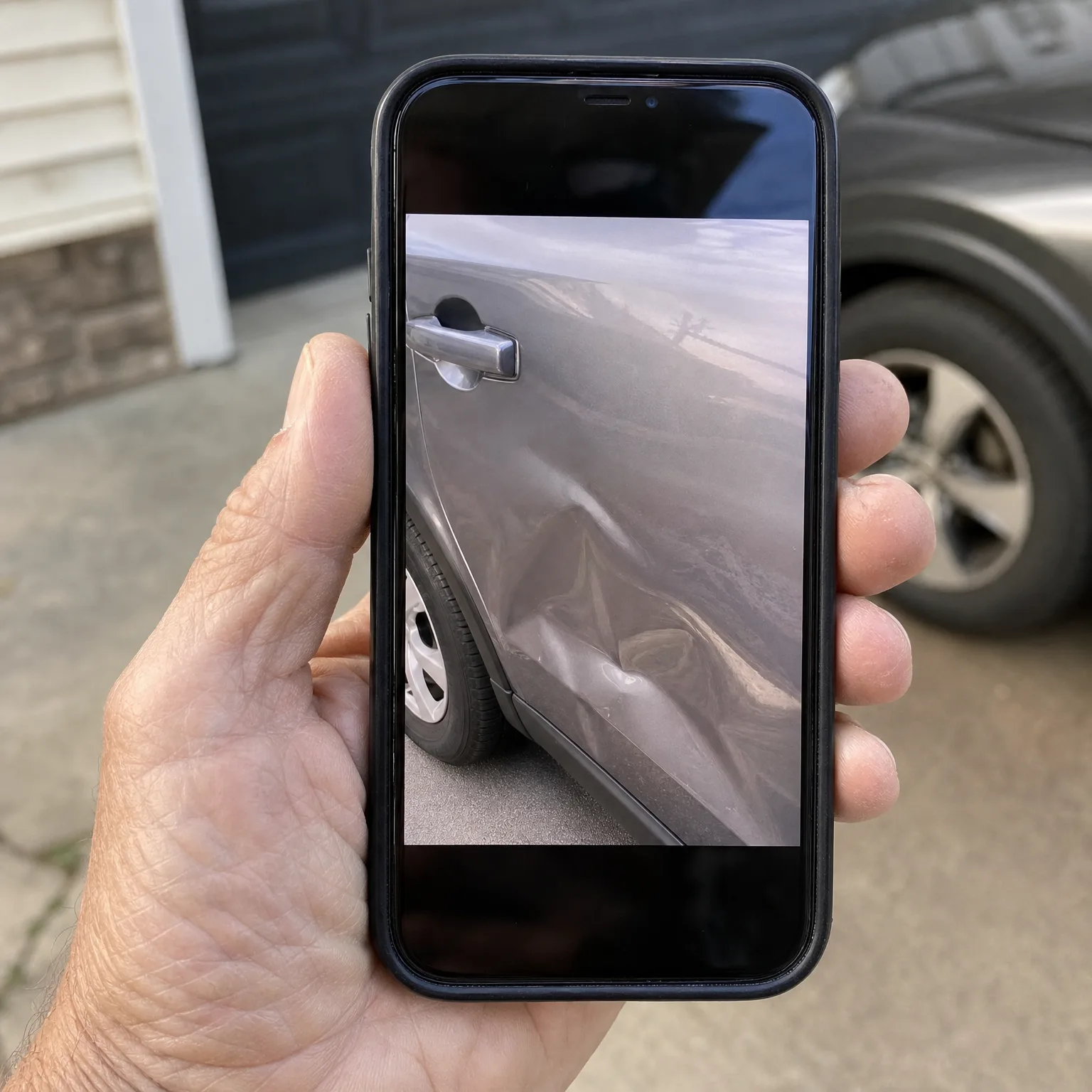
Any cost you handle without filing a claim at all doesn't interact with your deductible either. If you pay out of pocket for a minor repair rather than report it, there's no claim for the deductible to apply to. Some drivers do this on purpose when the repair cost is close to or under their deductible amount, since filing would mean paying the same money anyway and having a claim on record.
Fees unrelated to a claim, like a policy change fee or a fee for adding a car, also sit outside the deductible. If a bill looks unfamiliar, ask your insurer what it's for before assuming it was folded into a claim you already settled.
Questions people ask about this
Does my deductible apply to a rental car after an accident?
Usually not directly, because rental reimbursement is typically its own coverage with its own daily or total limit rather than a deductible. Check your declarations page for a line labeled rental reimbursement or transportation expenses. If you don't carry that coverage, you'll likely pay for the rental yourself regardless of your deductible.
Do I pay a deductible if the other driver is at fault?
Not through their insurer, since you'd file under their liability coverage and there's no deductible on that side. If you file under your own collision coverage instead, your deductible applies first, and your insurer then tries to recover that money from the at-fault driver's insurer. Ask your insurer how they handle this and whether you'd get your deductible back if they succeed.
Why did my insurer deny my claim instead of applying my deductible?
A denial means they decided the loss isn't covered at all, which is different from a covered loss being reduced by your deductible. Common reasons include a lapse in coverage, an excluded cause of loss, or the damage falling under coverage you didn't purchase. Ask your insurer for the specific reason in writing so you know whether it's worth appealing.
Does filing a claim that's under my deductible still show up on my record?
This depends on your insurer and your state, since some track reported incidents even when they pay nothing toward them. Ask your insurer directly whether a claim with no payout affects your record or your renewal. If it might, that's a reason to compare the repair cost against your deductible before you report it.
Can I choose a different deductible for comprehensive than for collision?
Many insurers let you set these separately, but this varies by company and sometimes by state. Ask your insurer whether they offer split deductibles and what each option would do to your premium. A lower deductible on one coverage doesn't require a lower deductible on the other.
If you're not sure what your current deductible actually covers, a new quote is a good time to find out.
Pull out your current declarations page and find the deductible listed next to comprehensive and collision coverage. Call your insurer or agent and ask them to walk through, in plain terms, exactly which costs that deductible applies to and which ones it doesn't. Ask specifically about towing, rental cars, and glass repair, since these trip people up most often. If you're shopping a new policy, ask the same questions before you buy so you know what you're actually getting at each deductible level. Write down what they tell you, since policy details can be hard to recall months later when you actually need to file a claim.