Is There a Deductible on Liability Coverage
Liability coverage typically has no deductible. You pay nothing out of pocket before it covers damage you caused to someone else.
No deductible applies to liability coverage
Liability coverage pays for the other driver's damage or injuries when you're at fault. There's no deductible attached to it. Your insurer pays what the policy covers, up to your limits, without asking you to pay a share first.
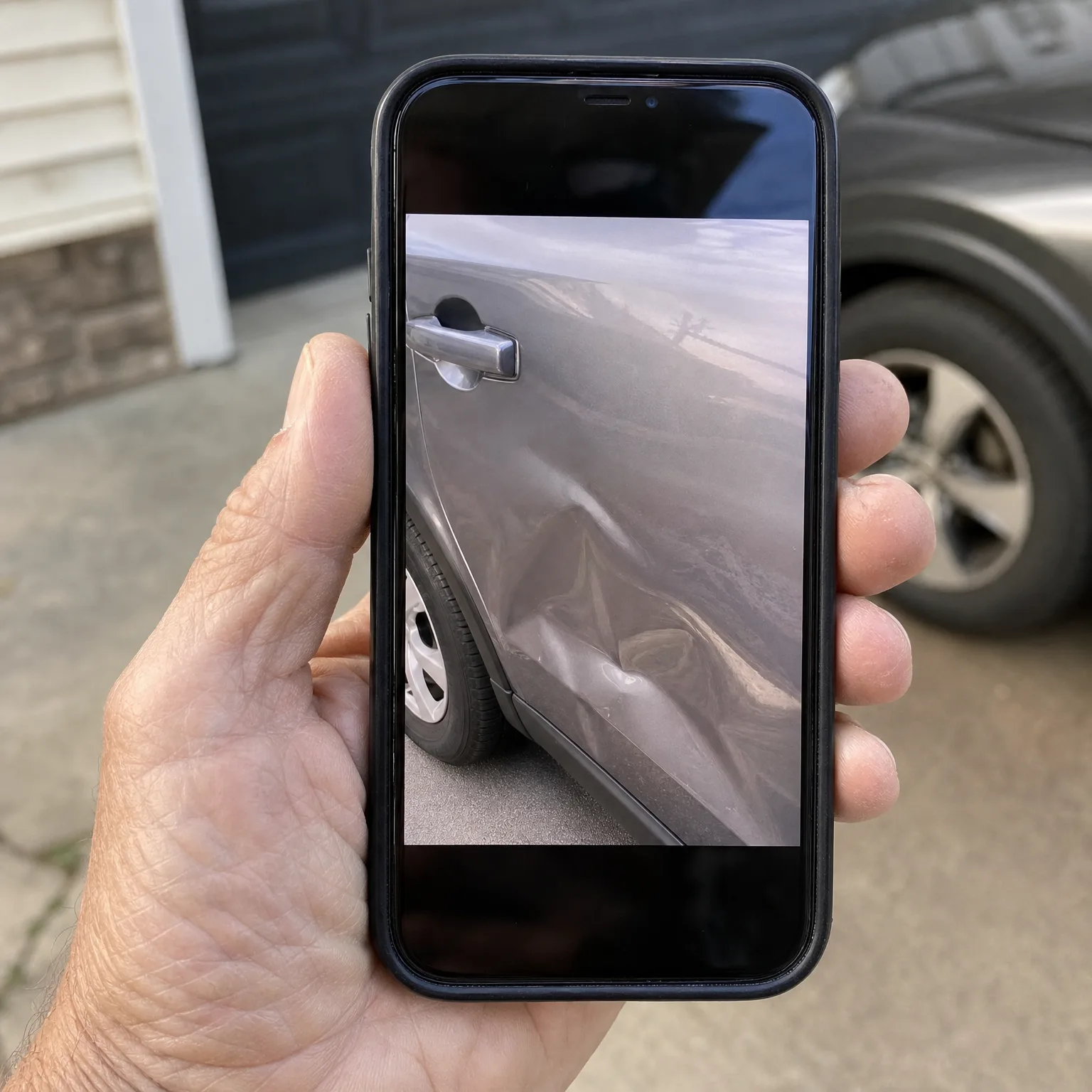
The deductible you're thinking of belongs to collision and comprehensive coverage instead. Those pay to fix your own car, and that's where the deductible you chose when you bought the policy comes in. If you only carry liability, which some older cars do once they're paid off, you may not have a deductible on your policy at all.
What coverage you carry changes what you pay
If your policy has liability only, there's nothing to apply a deductible to. You're covered for the other driver's costs, and your own car isn't covered for damage at all in an at-fault accident.
If you also carry collision or comprehensive, those come with a deductible you picked, often a different amount for each. After some birthdays, people drop collision and comprehensive on an older car because the car is worth less than a few years of premiums for that coverage. That decision affects whether a deductible applies to you at all, not your age by itself.
Check your declarations page to see which coverages you have and what deductible, if any, is listed next to each one.

What people get wrong about liability limits
A common mix-up is assuming a higher liability limit works like a lower deductible, paying out sooner or more generously. It doesn't. The limit is the most your insurer will pay for a claim. There's no threshold you clear first.
Another mix-up is thinking the deductible from your collision coverage somehow applies when you're at fault and the other driver is making a claim against your liability coverage. It doesn't. Their claim goes through your liability coverage, which has no deductible, regardless of what your collision deductible is set to.
If you're not sure which of your coverages carries a deductible, your insurer or agent can walk through your declarations page with you and point to each one.
Questions people ask about this
Does raising my liability limit raise my premium?
Yes, a higher limit generally costs more, since your insurer is taking on more potential payout. How much more depends on your insurer and your state, so ask for a quote at a couple of limit levels to compare.
What happens if I don't have collision or comprehensive and my car is damaged?
You'd pay for the repairs yourself, since liability doesn't cover your own vehicle. This is why some drivers keep collision coverage even on an older car, to avoid paying the full repair cost out of pocket.
Can I choose not to have a deductible on collision coverage?
Some insurers offer a very low deductible or none at all, though it comes with a higher premium. Ask your insurer what deductible options they offer and how each one changes your rate.
Does my deductible reset every year?
Typically a deductible applies per claim, not per year, so you'd pay it each time you file a covered claim on your own car. Confirm with your insurer how it's applied on your specific policy.
Why did my insurer ask about my driving course certificate if it doesn't affect liability deductibles?
A completed course can lower your overall premium in many states, separate from how any deductible works. Check with your insurer on whether they offer this and what proof they need.
See how your current coverage compares before you decide what to change.

Pull out your declarations page this week and look for two things: which coverages you carry, and the deductible amount listed next to collision and comprehensive, if you have them. If liability is your only coverage, there's no deductible to find, and that's expected. If you're weighing whether to drop collision coverage now that your car is older, ask your insurer what you'd save against what you'd pay out of pocket for repairs. If anything on the page is unclear, your insurer or agent can go through it with you line by line.