Deductible for Hit and Run Damage
This is the deductible you pay out of your own pocket before your collision or uninsured motorist coverage pays for damage caused by a driver who fled the scene.
What this deductible applies to
Covers
- Fleeing driver damage If another driver hits your car and leaves without stopping, your own coverage picks up the repair cost once you've paid this amount.
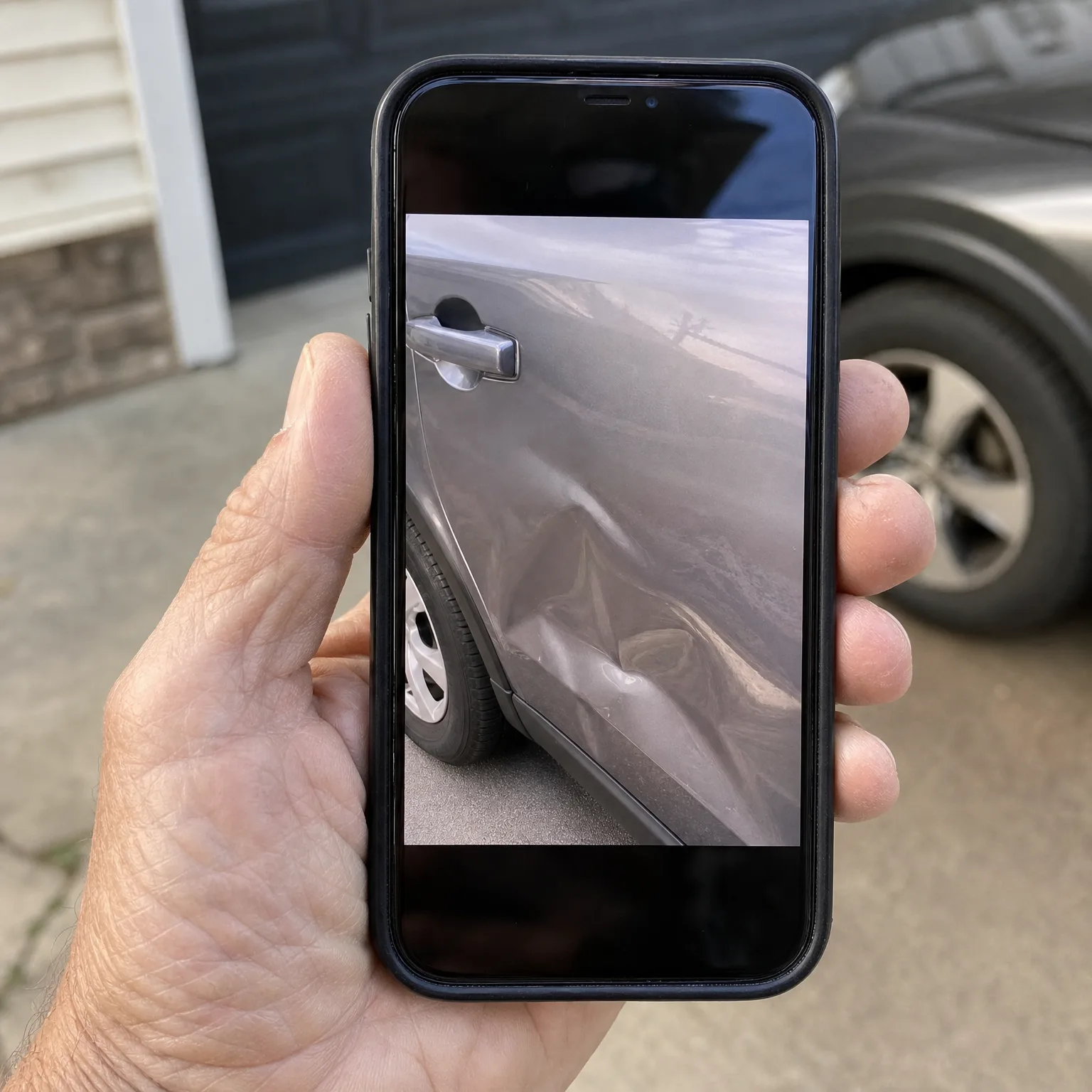
- Parking lot hit and runs A dented door or smashed taillight from someone who didn't leave a note still falls under this deductible if you can't identify who did it.
- Unidentified vehicle contact If you can show a vehicle struck your car but you never got a plate or description, the claim still moves forward under this deductible.
- Repairs to your own vehicle The deductible applies to fixing your car, not anyone else's, since the other driver carries no identifiable insurance to go after.
- One deductible per claim You pay it once for the incident, not per part of the car that's damaged or per estimate you get.
Doesn't cover
- Your medical bills Injuries from a hit and run usually fall under medical payments or uninsured motorist bodily injury coverage, not this deductible.
- A rental car Rental reimbursement is a separate coverage you add on, and it pays regardless of how the damage happened.
- Damage you can't tie to an impact Mystery dings or scratches with no evidence of a hit and run usually get treated as unknown cause, not this coverage.
- The other driver's car You have no way to pay for a vehicle you can't identify, so there's nothing for this deductible to apply toward.
- Full replacement value Once your deductible is paid, the payout is based on your car's value or repair cost, not what you originally paid for it.
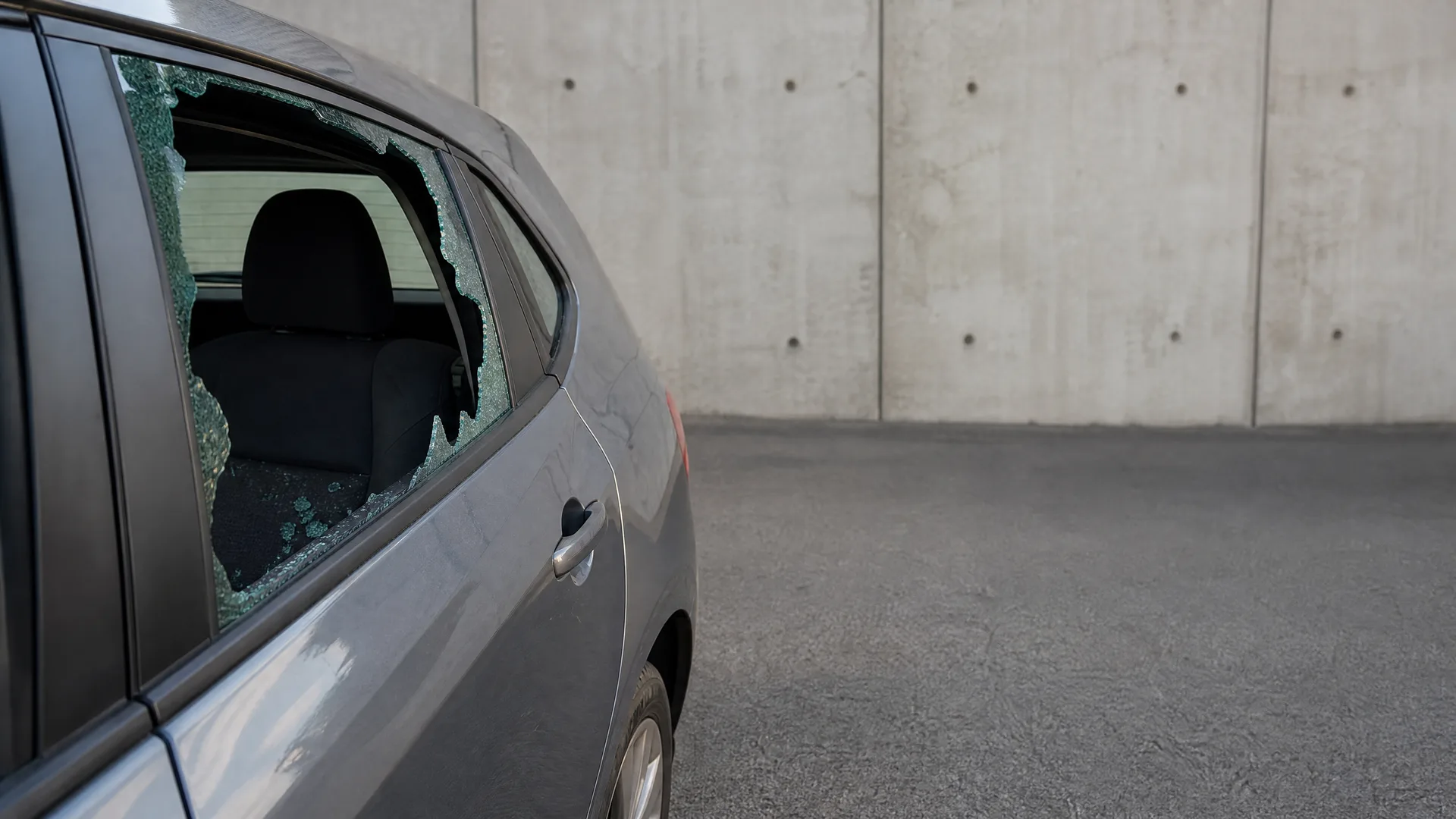
For most older drivers with collision coverage already in place, this isn't something you choose separately, so the real question is how your deductible is set
If you already carry collision or uninsured motorist property damage, this deductible usually isn't a separate charge. It's just the deductible that already applies to your policy. The real decision isn't whether to have it, but what amount you've set it at.
Think about what your car is actually worth today. If it's an older vehicle worth modest money, a high deductible can eat most of a claim, and you might be paying for coverage that barely pays out. If the car is newer or still financed, a lower deductible makes more sense because the repair bills will run higher.
Consider what you could absorb from savings without much stress. Some drivers this age would rather raise the deductible and lower the monthly cost, since they can cover a moderate repair bill themselves and rarely drive enough to worry about it. Others would rather keep it low because an unexpected bill, even a moderate one, isn't something they want to deal with.
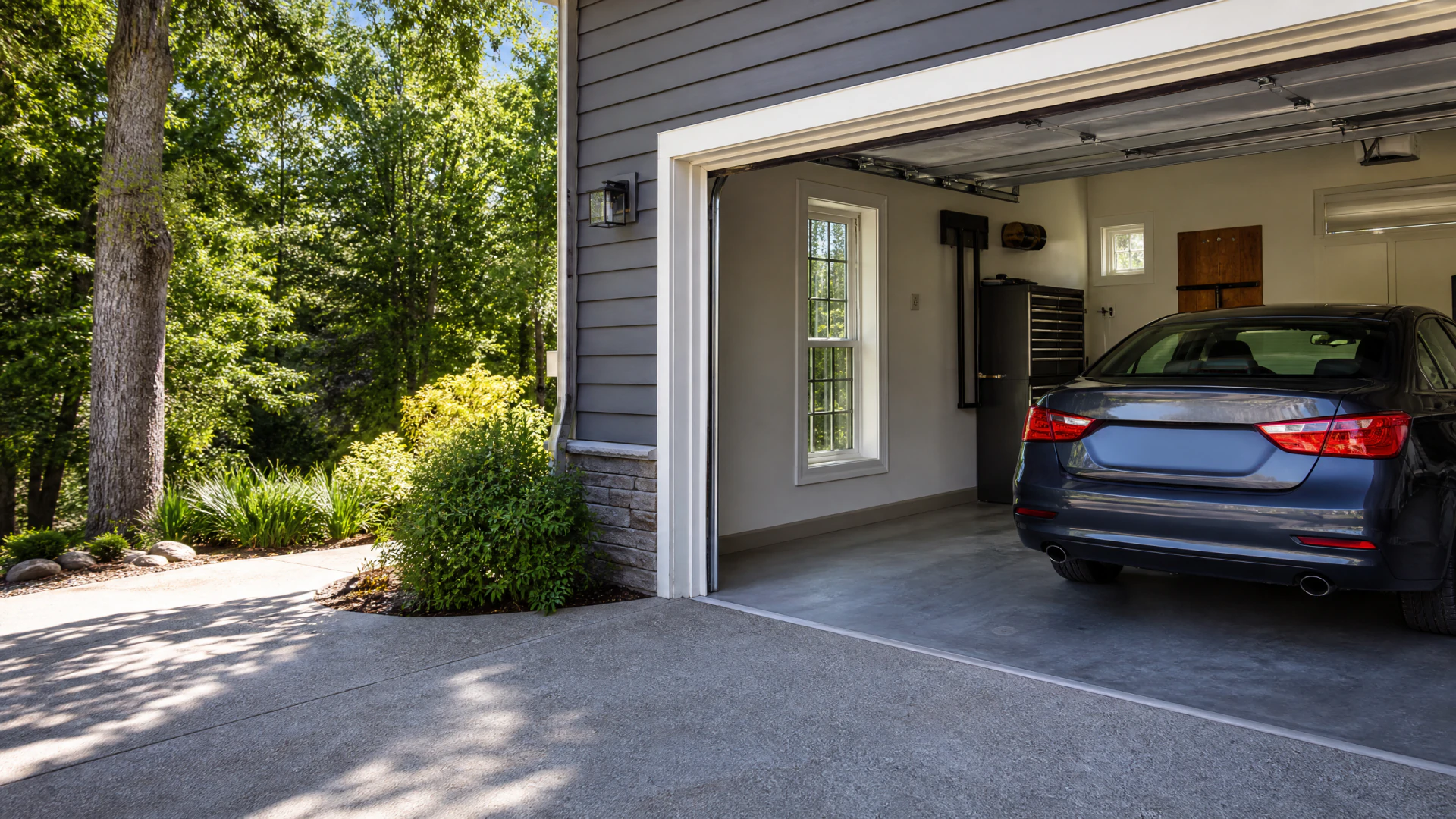
Where the car spends its time matters too. A car that sits in a busy parking lot several times a week, at appointments or errands, has more exposure to this kind of damage than one that mostly stays in a garage and takes short trips around a quiet town.
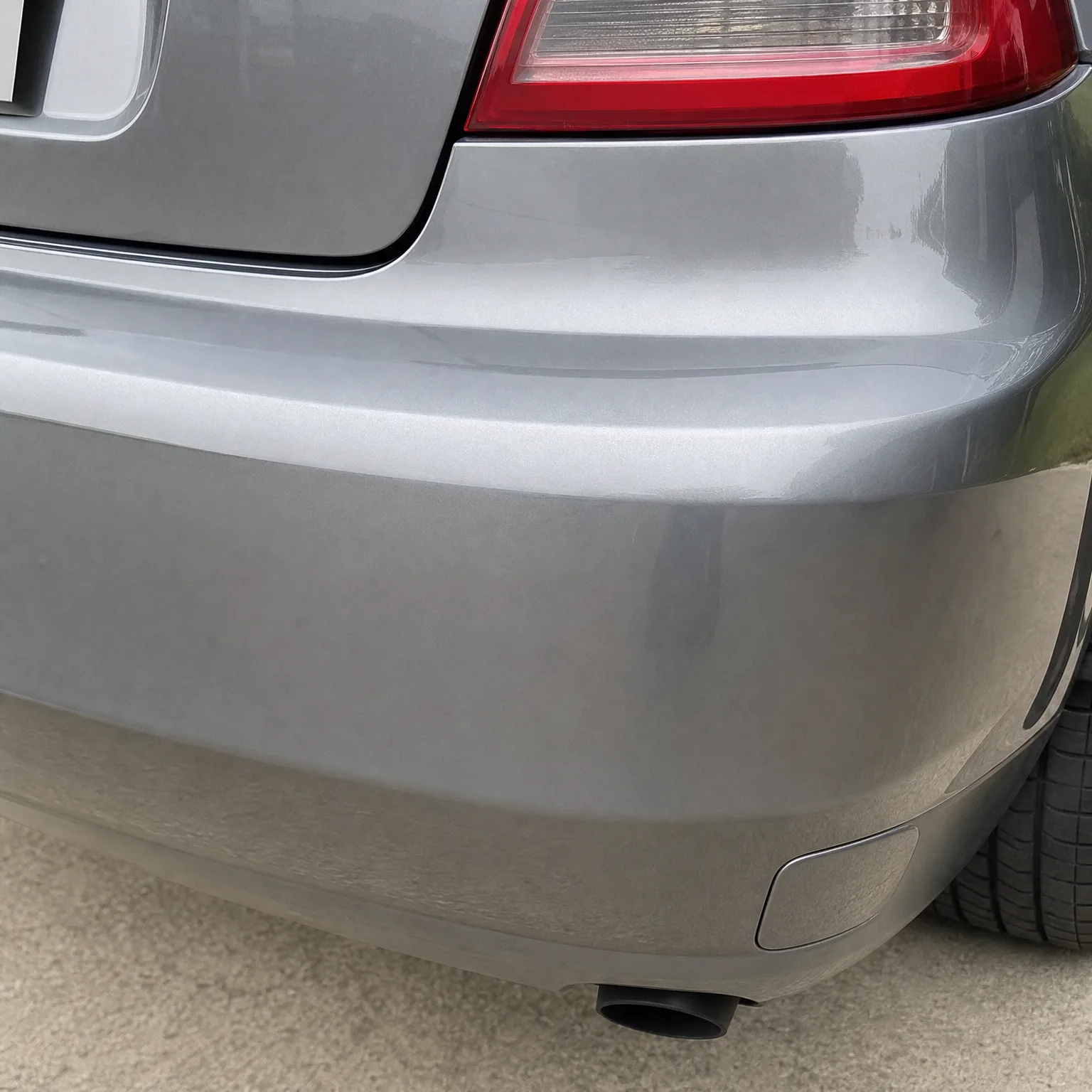
What actually happens when you file this kind of claim
You report the incident like any other claim, including a police report if one was filed at the scene or afterward. Since there's no other driver to pursue, your own insurer handles it directly through your collision or uninsured motorist coverage. An adjuster looks at the damage and settles on a repair cost or, if the car is badly damaged, its value.
Your deductible gets subtracted from whatever the claim is worth. If the repair comes in at a modest amount, you may find it's close to or less than your deductible, in which case paying out of pocket entirely might make more sense than filing at all.
Have photos of the damage, any police report number, and the date, time and location ready when you call. Witnesses, security footage from a nearby business, or a note from someone who saw it happen can all help move things along, though many of these claims go through even without a witness.
What it won't cover is time without your car, injuries, or anything beyond the physical damage to your vehicle, so check whether you want those handled by other parts of your policy.
Collision coverage versus uninsured motorist property damage
Collision coverage
Collision pays for damage to your car from any collision, whether it's another driver, a hit and run, or hitting an object yourself. It's the broader coverage, and the hit and run deductible usually rides on top of it.
Uninsured motorist property damage
This coverage specifically pays when an identified or unidentified driver without adequate insurance damages your car. In some places it's the coverage that actually responds to a hit and run instead of collision.
If you're not sure which one your policy uses for hit and run claims, it's worth checking, since the deductible and the rules can differ between the two, and this varies by state.
Real situations
You come out of a grocery store to find a long scrape down your passenger door and no note on the windshield.
This pays, since it's a hit and run with no way to identify the other driver, once you've covered your deductible.
Your car is parked at church and a hailstorm passes through, leaving dents across the hood and roof.
This doesn't pay, since hail is weather damage handled by comprehensive coverage, not a hit and run.
Someone backs into your bumper in a parking lot, waits for you to come out, and gives you their insurance information.
This doesn't apply here, since the driver didn't flee and their own insurance should cover the damage instead.
Once you know how your deductible is set and whether it matches what you'd want to pay out of pocket, you're ready to compare quotes with that figure in mind.
Questions people ask about this
Can I still file a claim if I don't get a police report?
Yes, in most cases you can still file, though a report strengthens the claim and some insurers ask for one. Without it, be ready to describe exactly where, when and how the damage happened. Photos taken soon after help support the claim without a report.
Will my rates go up after a hit and run claim?
It's possible, since filing any claim can affect your rate even when you weren't at fault. Because there's no other driver to bill, the claim is treated as filed against your own policy. Ask your agent how this specific type of claim is handled before you file.
What if I find out later who hit my car?
You can usually update the claim once you have information like a plate number or witness account. If the other driver is identified and insured, the claim may shift to their insurance instead of yours. Let your insurer know as soon as you learn anything new.
Does it matter if the hit and run happened on my property?
No, where it happened doesn't change whether this deductible applies, only whether you can identify the other driver. A hit and run in your own driveway is treated the same as one in a parking lot. What matters is that the responsible driver left without identifying themselves.
Can I lower this deductible without changing my whole policy?
Often yes, since this deductible is usually tied to your collision or uninsured motorist coverage rather than being separate. Ask your agent whether adjusting it affects your overall cost. Some policies let you set different deductibles for different types of damage, so check what yours allows.