What to Check Before Picking Up a Repaired Car
Check the repair itself, the paperwork, and whether the work matches what your insurer approved.
Look at the car and the paperwork before you drive off
Before you leave the shop, look over the repair in daylight, take it for a short drive, and get the paperwork that says what was done. If anything feels off, a noise, a smell, a panel that doesn't line up, say so before you sign anything.
This matters more than it might seem because once you accept the car, it's harder to get the shop or your insurer to revisit the work. The repair order, the warranty on the work, and your own eyes are what protect you if something goes wrong later.
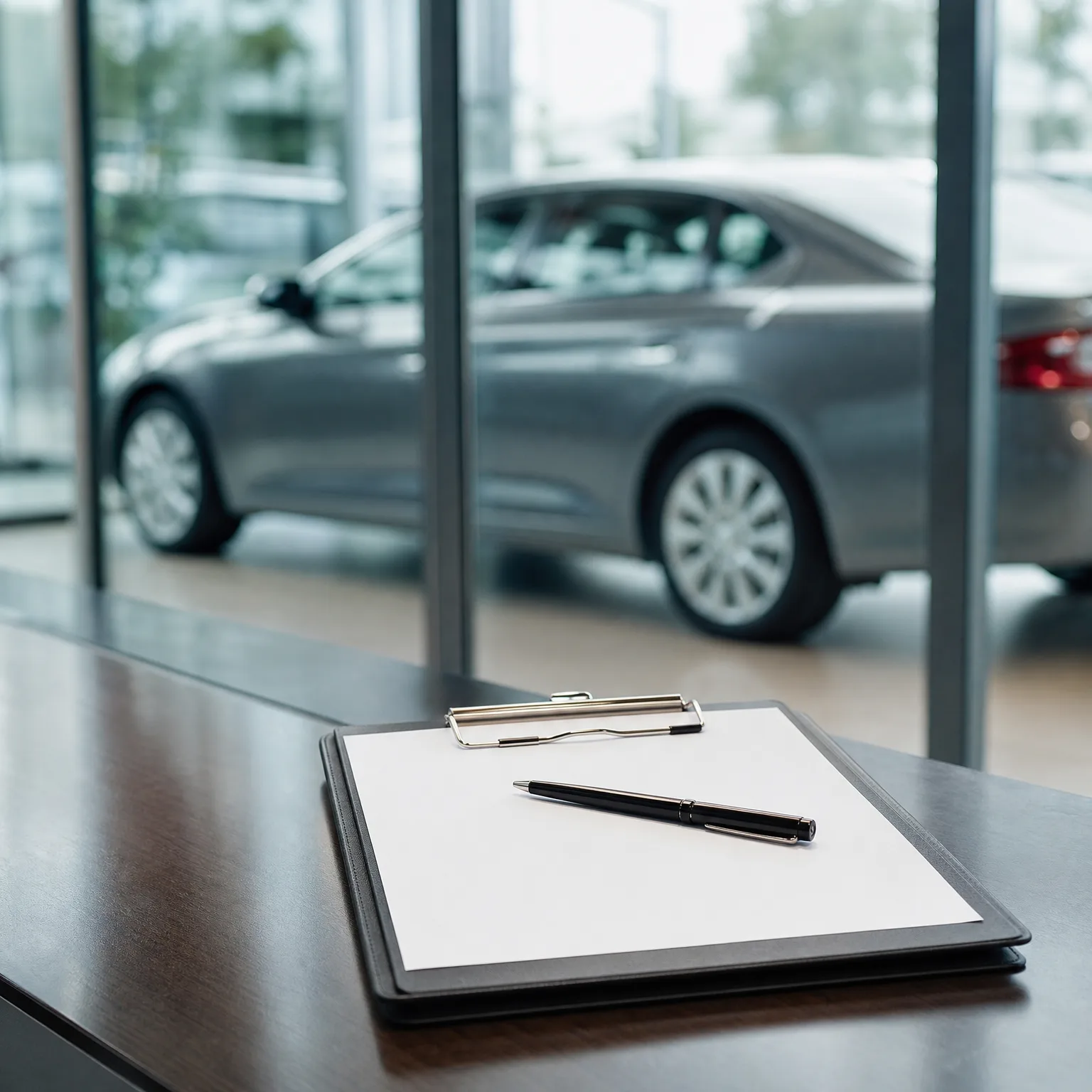
Whether the repair was done by an insurer's preferred shop or one you chose
If your insurer steered you to a shop in their network, they usually stand behind that work in some way, and it's worth asking what that guarantee actually covers before you pick up the car. Ask them directly, since this varies by insurer.
If you picked your own shop, any warranty on the repair comes from the shop itself, not your insurer. Get that warranty in writing before you leave. A verbal promise that they'll fix a problem later is not the same as a signed document.
Either way, ask for an itemized repair order that lists the parts used, whether they were new, used, or aftermarket, and what labor was done. Compare it to the estimate your insurer approved. If the shop swapped in cheaper parts than what was approved and billed you the difference, that's worth questioning on the spot.
Take photos of the repaired area before you leave the lot. If a problem shows up in a week, you'll want a record of how it looked the day you picked it up.
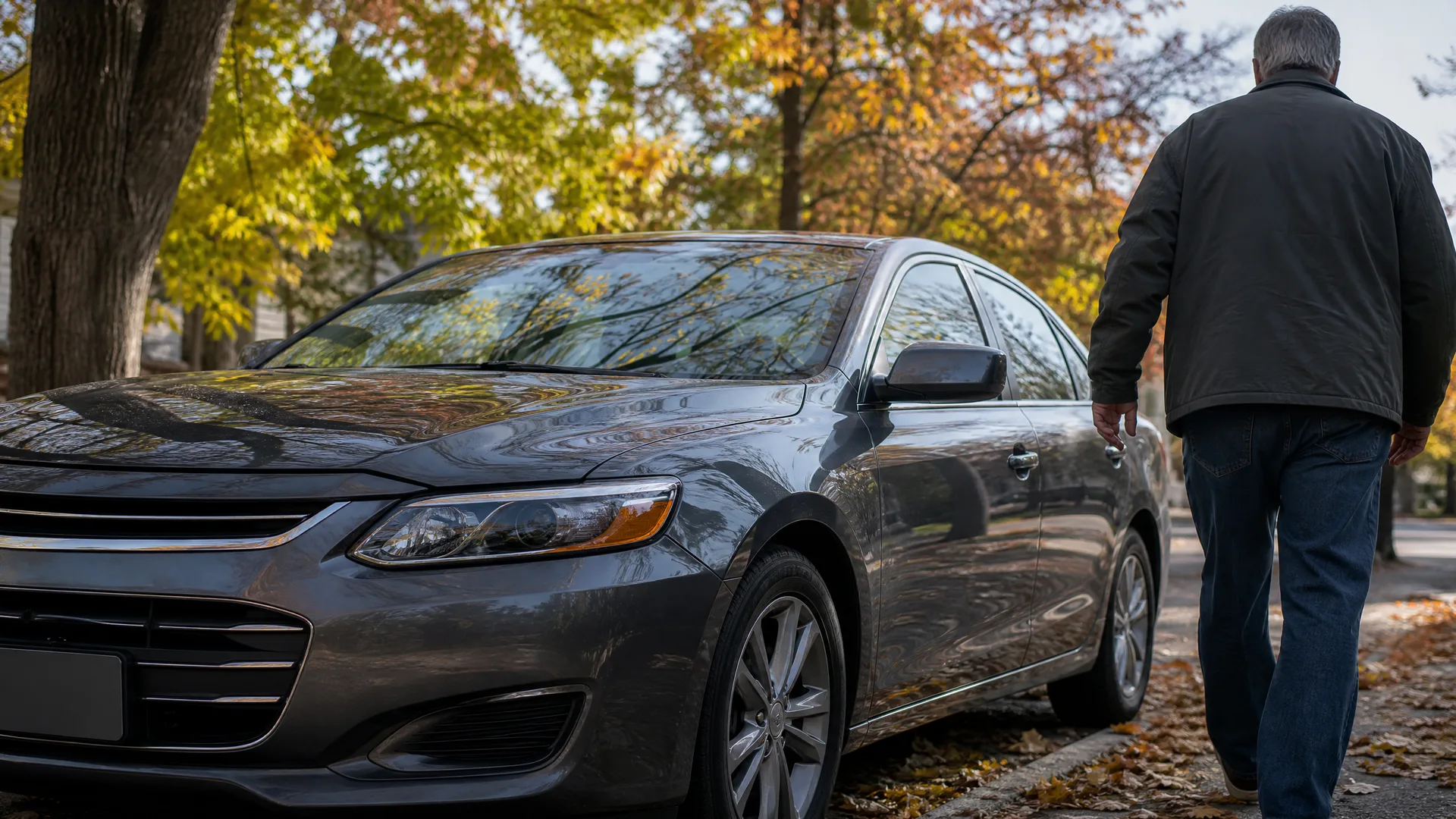
What most people skip: the test drive and the small details
Most people check that the dent is gone and the paint matches, then drive away. The problems that show up later are usually the ones nobody looked for that day.
Take the car on a real test drive before you commit to it, not just around the block. Check that the car pulls straight, that the brakes feel normal, and that any warning lights from before the repair are actually off. If the repair involved the frame or suspension, ask what alignment work was done and whether it was tested.
Check the small things too. Does every door, window, and the trunk open and close the way they did before. Do all the panels match in color and texture. Is there any leftover smell of paint or solvent that suggests the job was rushed. None of these take long to check, but they're the things people notice a month later and wish they'd caught at pickup.
If you had a rental car, confirm with your insurer when rental coverage ends. Some policies stop covering the rental the day the shop says the car is ready, whether or not you've actually picked it up yet.
Questions people ask about this
What happens if I find a problem with the repair after I already picked up the car?
You can still go back to the shop, especially if the work came with a warranty. Call them as soon as you notice the issue and describe it clearly. If the shop was part of your insurer's network, let your insurer know too, since they may have a say in how it gets resolved.
Do I need to pay before I'm allowed to inspect the repaired car?
This depends on the shop's policy, so ask before the repair is finished rather than when you arrive to pick it up. Many shops will let you look over the car first, but some expect payment as part of pickup. Clear this up with them ahead of time to avoid a standoff at the counter.
Should I get a second opinion on the repair before accepting it?
If anything about the repair looks or feels wrong, a second shop can tell you whether the work was done properly. This is reasonable to do even if it means delaying pickup. Ask the second shop for a written assessment if they find an issue, since that documentation helps if you need to go back to the original shop or your insurer.
Will my insurance rate go up just because I filed a claim to get the car repaired?
This depends on your insurer and the circumstances of the claim, particularly whether you were at fault. Ask your insurer directly how this specific claim is likely to affect your policy, since they can look at your situation rather than a general rule.
What should I do with the old damaged parts after the repair?
Ask the shop what their policy is, since some keep damaged parts for a period in case of a dispute and others dispose of them right away. If you're unsure about the repair or think you might want a second opinion, ask the shop to hold onto the old parts for a while before they're thrown out.
Before your next renewal, see how your rate compares elsewhere.
Before you pick up the car, ask the shop for an itemized repair order and, if you used your own shop, get the repair warranty in writing. When you arrive, take photos of the repaired area, do a real test drive, and check the small details like panel gaps and door seals, not just the obvious damage. If anything feels off, say so before you sign for the car or pay the final bill. Call your insurer if the shop was in their network and you're unsure what their guarantee covers, and confirm when your rental coverage actually ends if you had one.