What Is the Disadvantage of Having a Higher Deductible
The disadvantage is simple. You pay more before your insurer pays anything, and if you can't cover that amount, the lower premium doesn't help you.
You carry more of the risk yourself
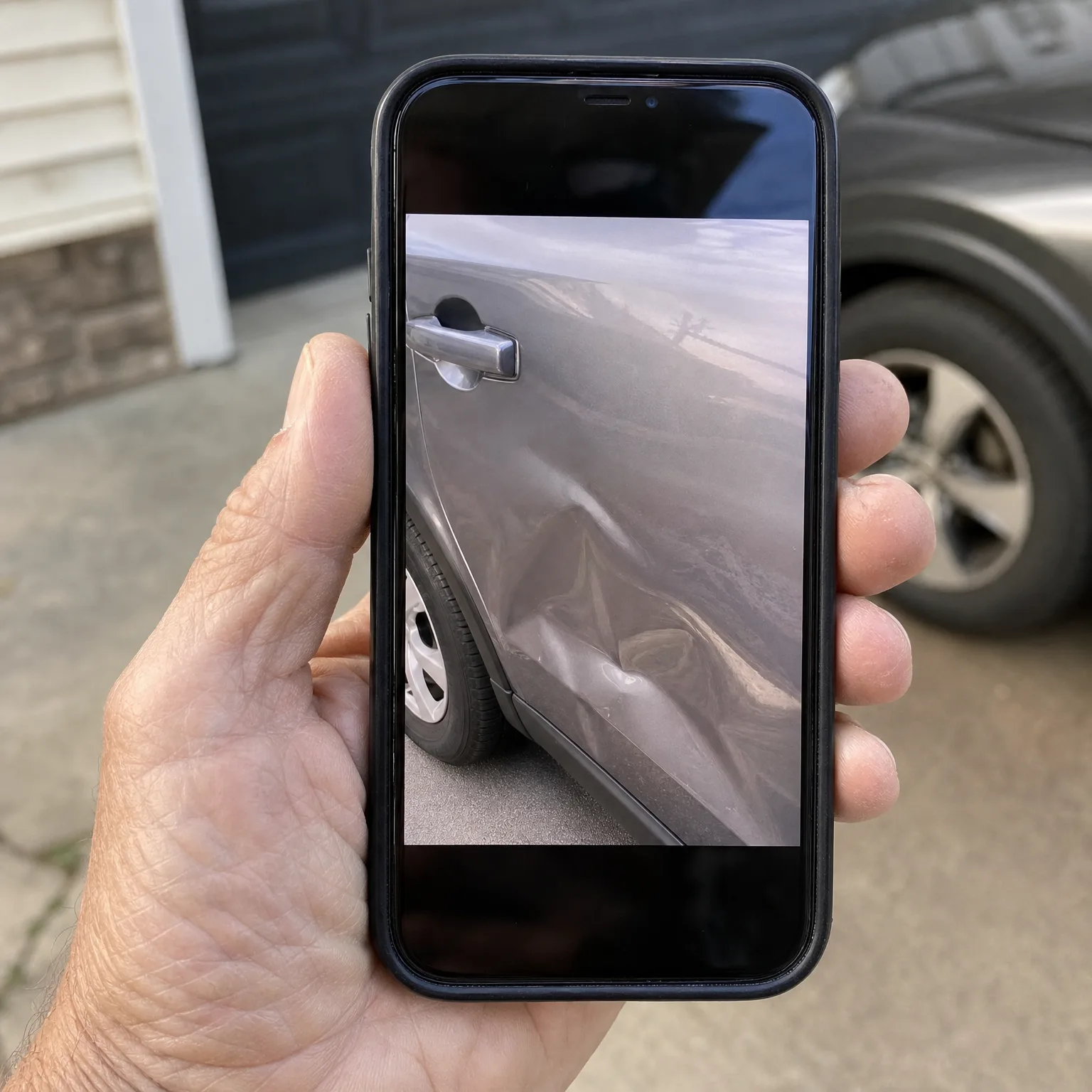
A higher deductible means a lower premium, but it shifts cost onto you at the moment you file a claim. If your car is damaged, you pay that amount first. Your insurer only covers what's left.
For a driver on a fixed income, this matters more than it does for someone still working. The premium savings show up every month, small and steady. The deductible cost shows up once, all at once, after an accident or a weather claim. If you don't have that amount set aside, raising your deductible can leave you paying for repairs yourself or skipping the claim entirely.

Whether you have the deductible amount on hand
The real question isn't what the deductible is. It's whether you could pay it tomorrow if you had to. Some drivers raise their deductible to lower the monthly premium, then realize later they don't have that amount sitting in savings.
If a claim comes up and you can't cover the deductible, you're stuck. You either pay for the repair out of pocket without filing, which defeats the point of having coverage, or you delay the repair. Neither is a good position to be in after an accident.
Before raising a deductible, it helps to set aside the amount it would take to cover it. If that's not realistic right now, a lower deductible may suit you better even though the premium is higher.
How often you're likely to file a claim
A higher deductible costs you the most if you end up filing a claim you weren't expecting. Most years, nothing happens and the deductible never comes up. But insurance exists for the years that aren't most years.
Drivers who've had a claim or two in the past, or who drive in conditions where accidents are more common, carry more risk with a high deductible. Each claim means paying that amount again. If you've had several claims over the years, a lower deductible keeps your own costs more predictable, even if you're paying more now to get there.
It's worth asking your insurer how a higher deductible would have changed what you paid out of pocket on your last claim, if you've had one. That gives you a real number instead of a guess.
Questions people ask about this
Is a higher deductible ever a good idea for an older driver?
It can be, if you drive infrequently and have the deductible amount set aside without strain. The premium savings are real. They just only help you if a claim doesn't leave you short when you need to pay the deductible.
Can I change my deductible after I've already had a claim?
You can usually change your deductible at renewal, but check with your insurer about timing. Some insurers won't let you change it mid-term, or won't let you lower it right after a claim without review.
Does a higher deductible affect my premium the same way every year?
No, because your premium depends on more than just the deductible. Your insurer recalculates it each renewal based on your driving record, your car, and other factors, so the savings from a higher deductible can shift over time.
Should my deductible be different for comprehensive and collision coverage?
It can be, and many drivers do set them differently. Comprehensive claims, like weather damage or theft, are often less frequent and lower cost than collision claims, so some drivers keep a lower deductible there. Ask your insurer what each option would look like for your policy.
Will my insurer tell me which deductible makes sense for me?
Ask them directly, since they can show you how different deductible levels change your premium using your actual policy. They can't tell you what you can afford to pay out of pocket. That part is yours to work out first.
See what a lower deductible would actually cost you each month before you decide.

Pull out your current policy and look at what your deductible is set to right now. Call your insurer or agent and ask what your premium would be at a lower deductible, so you're comparing real numbers instead of guessing. At the same time, work out honestly whether you could cover your current deductible today if you needed to. If the answer is no, that's worth more than any premium savings. Once you have both numbers in hand, you can decide with something solid instead of a guess.