Should Seniors Raise Their Deductible
A higher deductible can lower your premium, but it only makes sense if you can cover that amount yourself after an accident.
It depends on what you have saved, not just your age
Raising your deductible usually lowers your premium, and that part has nothing to do with age. The real question is whether you could pay the higher deductible yourself if you needed to file a claim tomorrow. If that amount is sitting in your savings account and wouldn't cause a problem, raising it is often a reasonable way to lower what you pay every month.
If paying it would be a stretch, a lower premium now isn't worth the risk. Some insurers also offer different treatment for long-time policyholders or safe drivers, so it's worth asking your agent how a deductible change would affect your specific policy before you decide.

How much you drive changes the math
A driver who still commutes daily has more exposure to a claim than one who drives occasionally to the store or to see family. More time on the road means more chance of an accident, which means the deductible is more likely to actually come into play.
If your driving has dropped off since you retired or stopped commuting, you may be paying for coverage built around a driving pattern you no longer have. That's worth mentioning to your insurer regardless of what you decide about the deductible, since lower mileage sometimes qualifies for its own discount.
If you still drive often, especially at night or in bad weather, think harder before raising the deductible. More time on the road is more chance you'll need that money back.
Either way, ask your insurer to show you the premium at a few different deductible levels. Seeing the actual difference in your own policy tells you more than any general rule.
What a claim would actually cost you
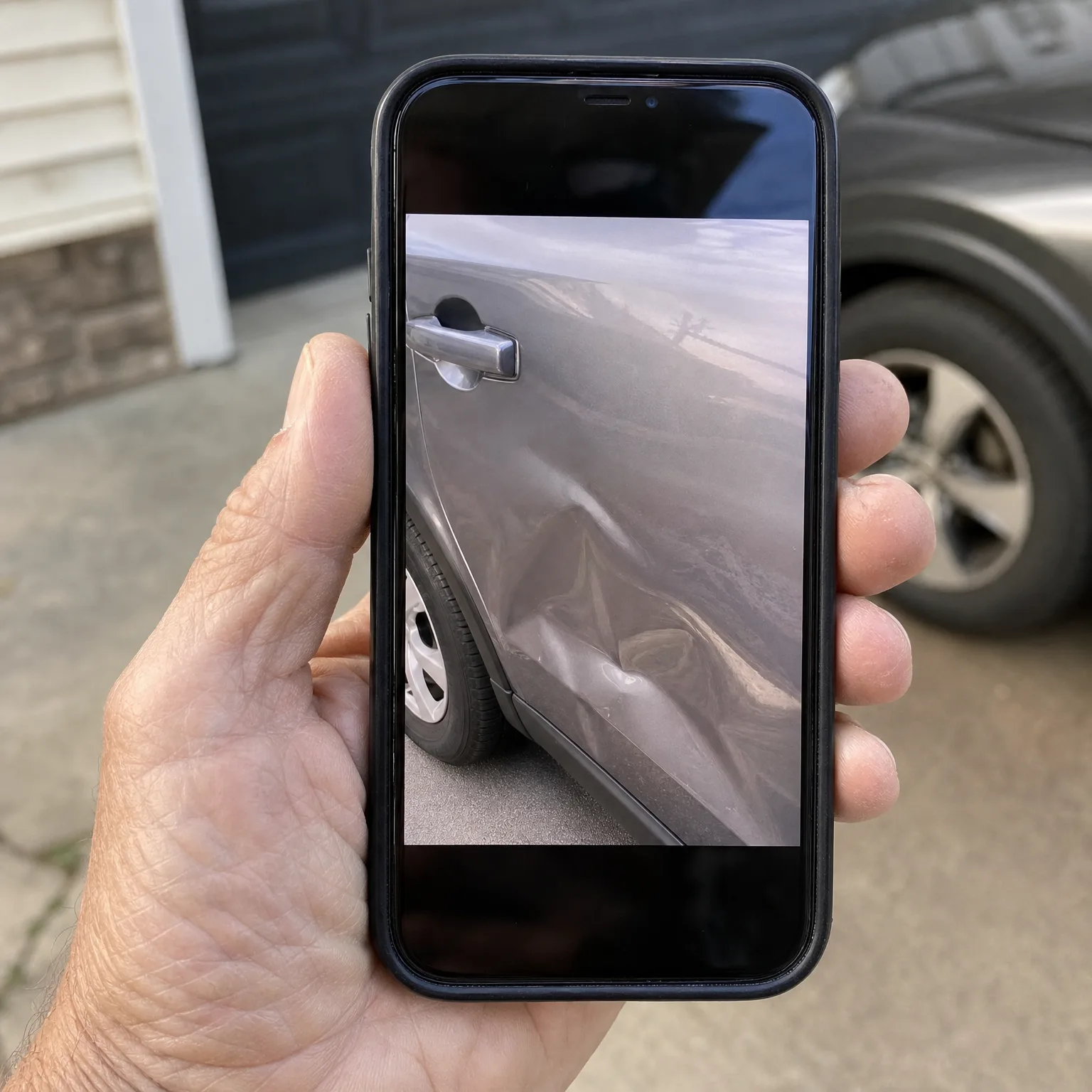
The deductible only matters the moment you file a claim. Before raising it, look at what repairs typically run for your make and model, and compare that to the gap between your current deductible and the higher one you're considering.
If the car is older and worth less, a higher deductible often makes more sense, since you might choose to pay for minor repairs yourself either way rather than risk your premium going up after a claim.
If you're still driving a newer or more expensive car, a claim is more likely to involve real money, and a high deductible could mean paying more than you're comfortable with at the exact moment something has already gone wrong.
Think about this alongside your health and any medications that might affect your reaction time or reflexes. Those details don't change the deductible decision directly, but they're worth discussing with your agent as part of the full picture of your coverage.
Questions people ask about this
Does raising my deductible affect my ability to get roadside assistance?
No, your deductible applies to claims for damage, not to separate coverage like roadside assistance. Roadside assistance is usually a distinct add-on with its own terms, so check your policy or ask your agent how it's structured.
Will my premium go back down if I lower my deductible later?
Yes, you can typically change your deductible again whenever you want, and your premium will adjust accordingly. Call your insurer or agent before a renewal date so the change takes effect with your next billing cycle.
Does a higher deductible affect how a claim is processed?
No, a higher deductible doesn't change how your insurer investigates or processes a claim. It only changes how much you pay out of pocket before your coverage kicks in for the rest.
Should I raise my deductible if I'm thinking about giving up driving soon?
It depends on how soon and how confident you are in that timeline. If you expect to stop driving within the next year or two, a lower premium now from a higher deductible may be worth more to you than the risk of a claim you don't expect to face.
Can my insurer require a higher deductible because of my age?
This depends on your state and your insurer, since rules about age-based decisions vary. Ask your agent directly whether your age affects your deductible options or your premium, since the answer isn't the same everywhere.
See how your premium changes at a few different deductible levels before you decide.

Pull out your current policy and find your deductible and your six-month or annual premium. Call your agent and ask what your premium would be at one level higher and one level lower, so you're comparing real numbers instead of guessing. At the same time, ask what a typical repair costs for your car's make and model, so you know what you'd actually owe if you filed a claim. Look at your savings and ask yourself honestly whether you could cover the higher deductible without trouble. If the answer is yes and your premium drops enough to matter, make the change before your next renewal rather than after.