Should I Accept the First Offer for My Totaled Car
Accept it only after you've checked how the insurer arrived at the number, because the first offer is usually negotiable.
No, not without checking the number first
The first offer is a starting point, not a final one. Insurers calculate it from a valuation report that pulls comparable vehicles from your area, and that report can leave out things that raise your car's value, like recent repairs, low mileage, or upgraded parts.
You're allowed to ask for the report and challenge it. If you find comparable cars selling for more than the insurer's figure, or if the report used cars with higher mileage or less equipment than yours, you have grounds to ask for more. Most people who push back get some increase. Most people who don't, don't.
What the valuation report actually used
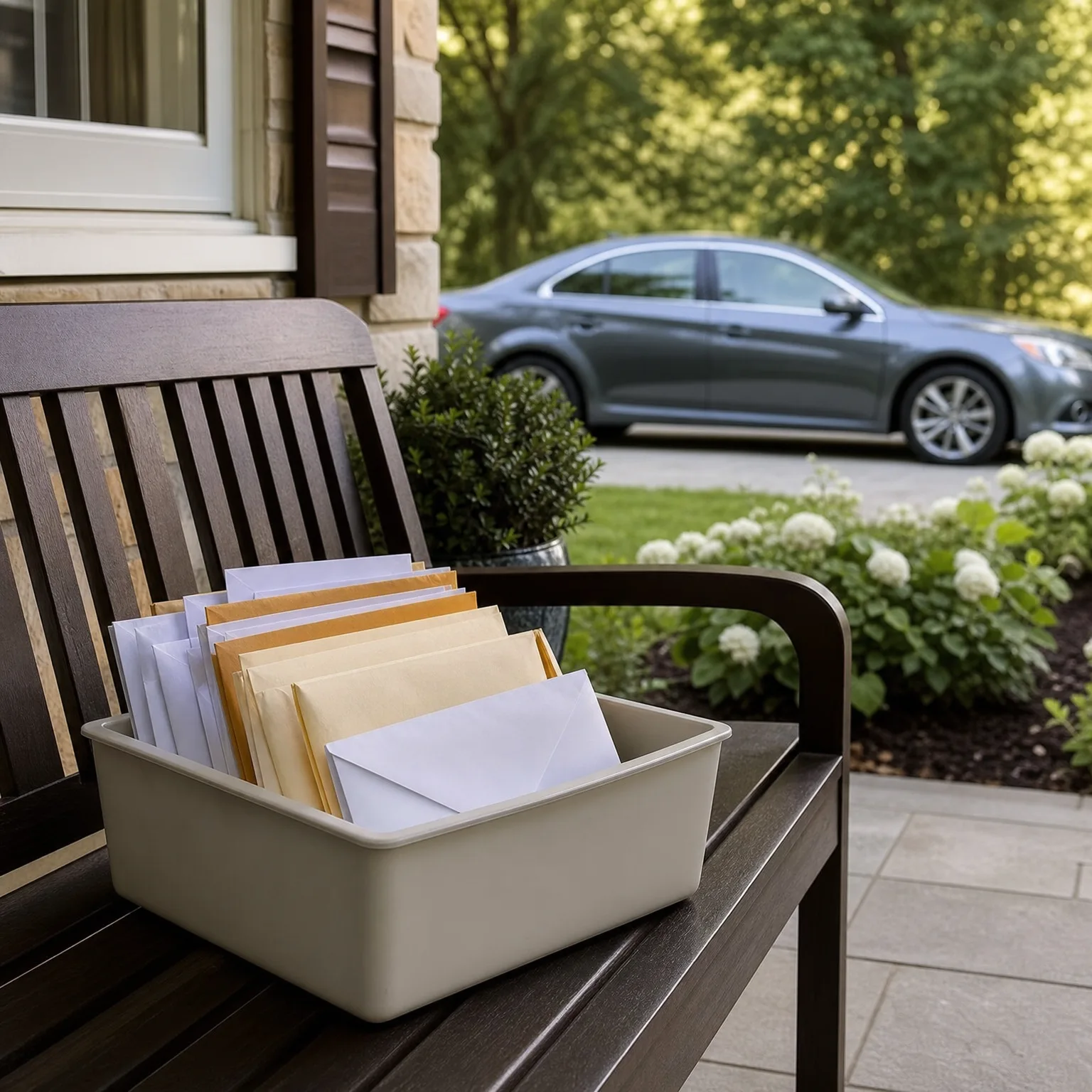
Ask the insurer for the report they used to reach the offer. It will list several comparable vehicles, their prices, and adjustments made for mileage, condition, and options.
Read through the comparables. If any of them are in worse condition than your car was, or have higher mileage, or are missing features your car had, that's a reason the offer is too low. You can point to specific lines in their own report.
You can also do your own search for comparable cars for sale near you and bring those listings to the conversation. Insurers have to respond to evidence, not just your opinion that the car was worth more.
If your state requires insurers to use a specific valuation method, your insurance department can tell you what that method is and whether this one followed it.
What you still owe matters as much as what the car was worth
If you had a loan or lease on the car, check the payoff amount before you accept anything. The insurer's offer goes toward what you owe, and if the offer is less than your payoff, you're responsible for the difference unless you carried gap insurance.
This is a separate problem from whether the valuation itself was fair. A car can be valued correctly and you can still owe more than it was worth, especially if it was new or you put little money down.
If you have gap coverage, ask your insurer to confirm it before you sign anything, since gap claims are often handled separately from the total loss settlement itself.
If there's no gap coverage and a shortfall, ask whether the lender will negotiate the remaining balance. Some will, especially if you bring documentation that you negotiated the total loss amount in good faith.
Questions people ask about this
How long do I have to accept a total loss settlement?
This is usually set by your state or by the terms of your policy, not by a fixed rule everywhere. Check your policy documents or ask your insurer directly what your deadline is before you negotiate, so you don't run out of time while gathering comparables.
Can I keep my totaled car instead of accepting the payout?
In most cases yes, through what's called a salvage retention, but the insurer subtracts the salvage value from your settlement and you'll need a salvage title to keep driving it legally. Ask your insurer how they calculate the deduction and check with your state's DMV about what a salvage title allows and restricts.
Do I need a lawyer to negotiate a total loss claim?
Most people negotiate these claims themselves by disputing the valuation report directly with the insurer. A lawyer becomes worth considering if the insurer refuses to respond to documented comparables or if there's a dispute over fault that affects the payout.
What happens to my car loan if the insurance payout is less than I owe?
You remain responsible for the difference between the payout and your loan balance unless you have gap insurance. Contact your lender as soon as you know the settlement amount to understand your options before the loan goes into default.
Does accepting the first offer affect my future insurance rates?
Accepting an offer itself shouldn't change your rate, since rate changes after an accident depend on fault and your claim history, not on what the payout amount was. Ask your insurer directly how this claim will be recorded and whether it will affect your renewal.
If this claim has you rethinking your coverage, see what other insurers would charge you.
Ask your insurer for a copy of the valuation report before you respond to the offer. Spend an afternoon searching for comparable cars for sale near you, and save the listings as evidence. If you have a loan, call your lender to confirm your exact payoff amount. Check whether gap coverage applies to your policy. Then call your insurer back with your findings and ask them to reconsider the number, specifically, before you sign any settlement paperwork.