Is It Better to Have a Car Totaled or Repaired
Neither outcome is automatically better. It depends on what your car is worth, what you still owe on it, and what your insurer offers to fix it versus pay you out.
It depends on the gap between your car's value and the cost to fix it
A repaired car is usually better if the damage is minor and the repair cost is well under what the car is worth. You keep the car you know, you avoid the hassle of shopping for another one, and your insurer pays the shop directly.
A totaled car can work out better if the payout gives you enough to replace the car with something similar, especially if your car was already showing its age or had problems before the accident. The insurer decides which one happens, not you. They total a car when the repair cost plus the salvage value comes close to or passes what the car is worth.
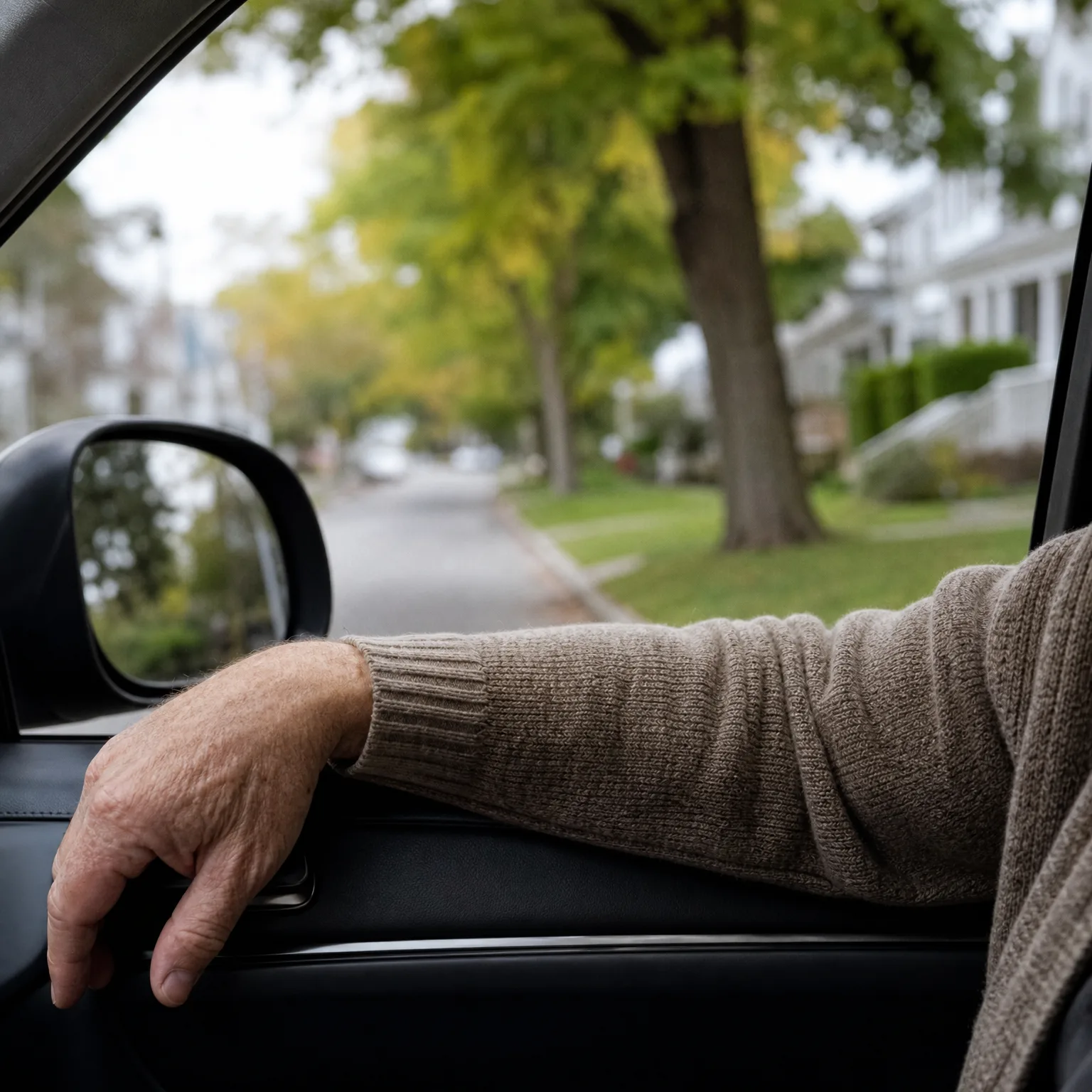
What your car is actually worth right now
Your insurer bases the total-loss decision on your car's actual cash value, not what you paid for it or what you think it's worth. If that value is low, even moderate damage can push the repair estimate past the threshold for totaling it.
This cuts both ways. If your car's value is low, a totaled payout might not be enough to buy a comparable replacement, especially if you still owe money on a loan. Check your loan balance against what your insurer is likely to offer before you have an opinion on which outcome you want.
If your car's value is higher because it's newer or well maintained, repair becomes more likely and often more favorable, since the shop can fix the damage for less than the car is worth.
Ask your insurer how they calculated the value. You can challenge it with records of recent maintenance, upgrades, or comparable local sales if the number seems low.
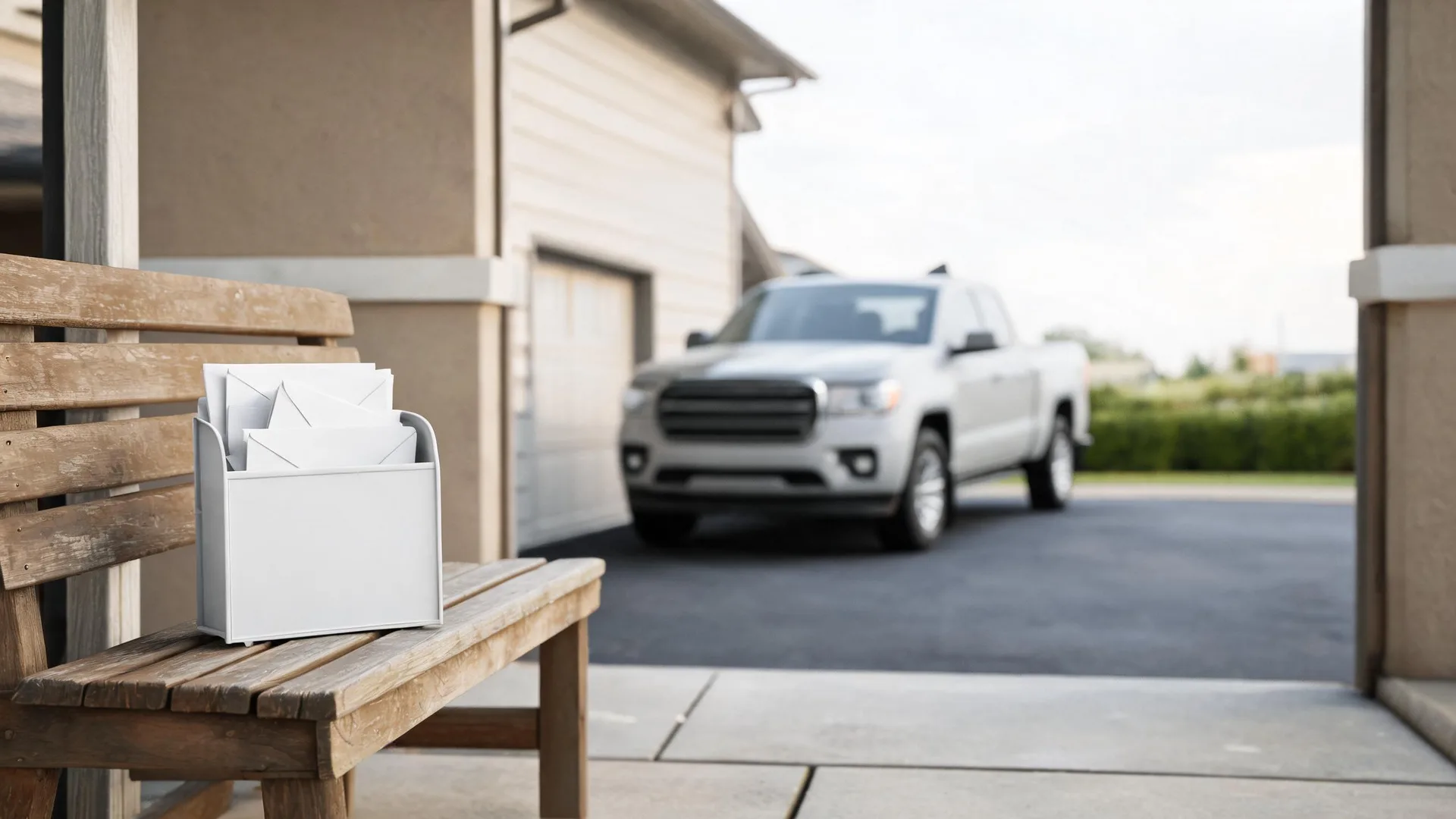
Whether the repair will actually hold up
A car that gets repaired after serious damage isn't always restored to what it was. Frame damage, airbag deployment, and flood or fire damage can leave problems that don't show up right away, even after a shop signs off on the work.
Ask your insurer and the repair shop directly whether the damage affected the frame or any safety systems. If it did, ask what the warranty on the repair covers and for how long.
A repaired car also carries a different history once it's back on the road. If you plan to sell or trade it later, a reported accident on the title can lower what buyers are willing to pay, even if the repair was done well.
If the car was totaled instead, you avoid that lingering question entirely. You get a payout and a clean break, which matters more to some people than getting their exact car back.
Questions people ask about this
Can I keep my car if the insurer declares it a total loss?
In most cases yes, but the insurer subtracts the salvage value from your payout if you keep it. You'll also need to check with your state's DMV about getting a salvage or rebuilt title, since a car kept this way usually can't carry a clean title anymore.
Will my insurance rate go up more if my car is totaled versus repaired?
The rate impact comes from who was at fault in the accident, not from whether the car was totaled or repaired. Ask your insurer directly how this specific claim will affect your renewal, since that varies by insurer and by state.
Can I negotiate the payout if my car is totaled?
Yes, you can push back on the actual cash value your insurer offers. Bring documentation of recent repairs, low mileage, or comparable cars for sale in your area to support a higher number.
What happens to my loan if my car is totaled and I still owe money on it?
Your insurer pays out based on the car's value, not your loan balance, so you could owe money even after the payout if you're underwater on the loan. Check whether you have gap insurance, since that coverage is designed to cover that difference.
Should I get a second opinion on the repair estimate?
It's reasonable to ask for one, especially if the first estimate is close to the total-loss threshold. A second shop may find a lower repair cost, which could change the insurer's decision about whether to total the car.
If you're facing this decision now, see what other insurers would offer before your next renewal.
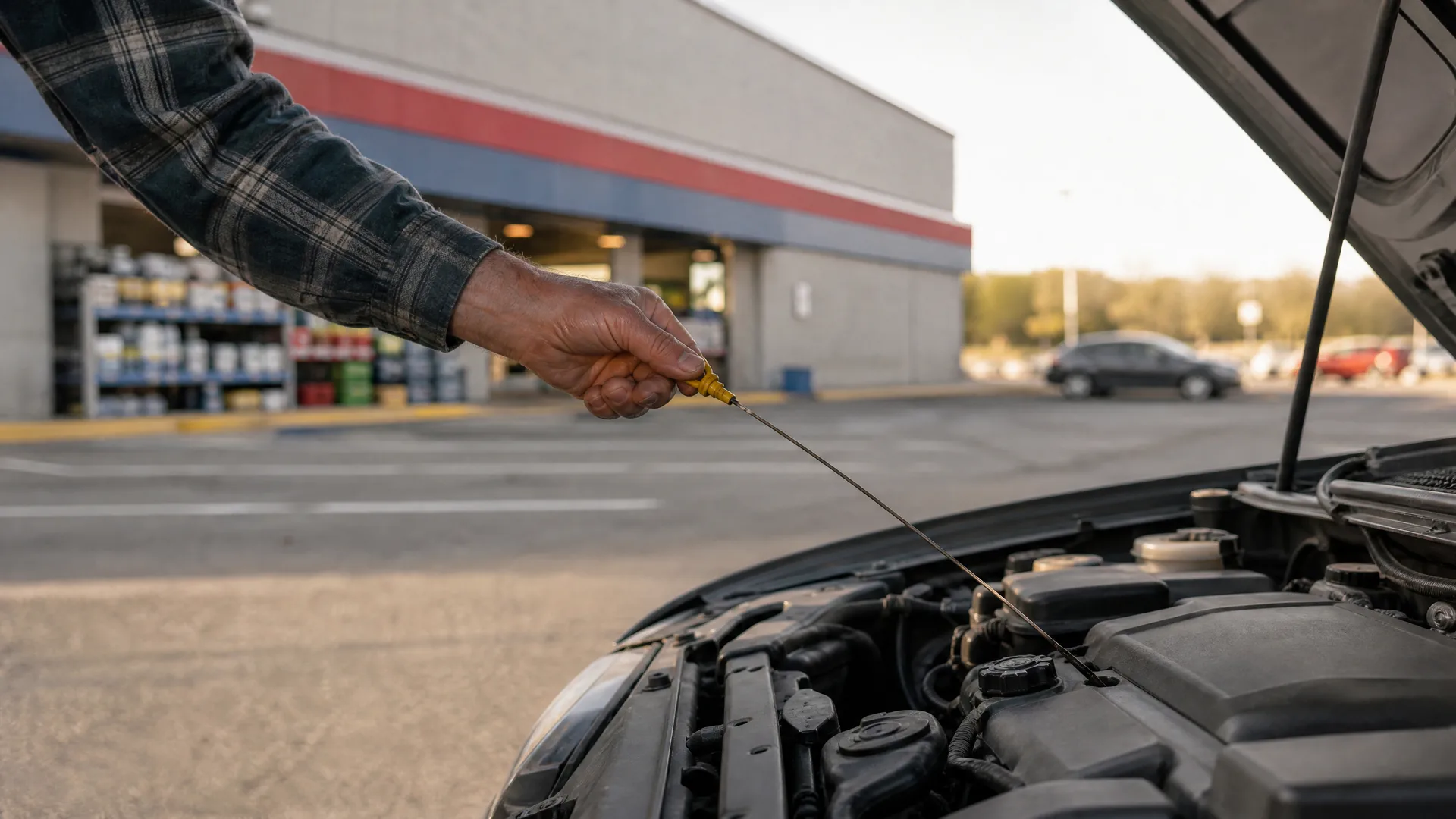
Get the itemized repair estimate and your insurer's actual cash value figure in writing before you decide anything. Call your loan holder to find out your exact payoff amount if you're still financing the car. Ask your insurer directly how they arrived at the value and whether there's room to dispute it. If the car is repaired, ask the shop in writing whether any structural or safety systems were involved and what the repair warranty covers. Keep all of this paperwork together, since you'll want it on hand whether you're negotiating a payout or shopping for coverage on a replacement car.