How to Respond to a Low Insurance Settlement Offer
You respond in writing, you back up your number with evidence, and you don't accept the first offer just because it arrived first.
Write back, don't call back
Put your response in writing rather than accepting or arguing over the phone. A phone call leaves no record of what you said or what the adjuster promised, and insurers are trained to settle quickly on the phone before you've had time to add up what the claim is actually worth.
In your letter, say clearly that the offer is too low and give your reason. State the amount you believe is fair and attach whatever supports it: repair estimates, medical bills, the police report, photos. The adjuster's first offer is usually an opening position, not a final one, and a specific written counter with documentation behind it is what moves it.

What the offer is actually based on
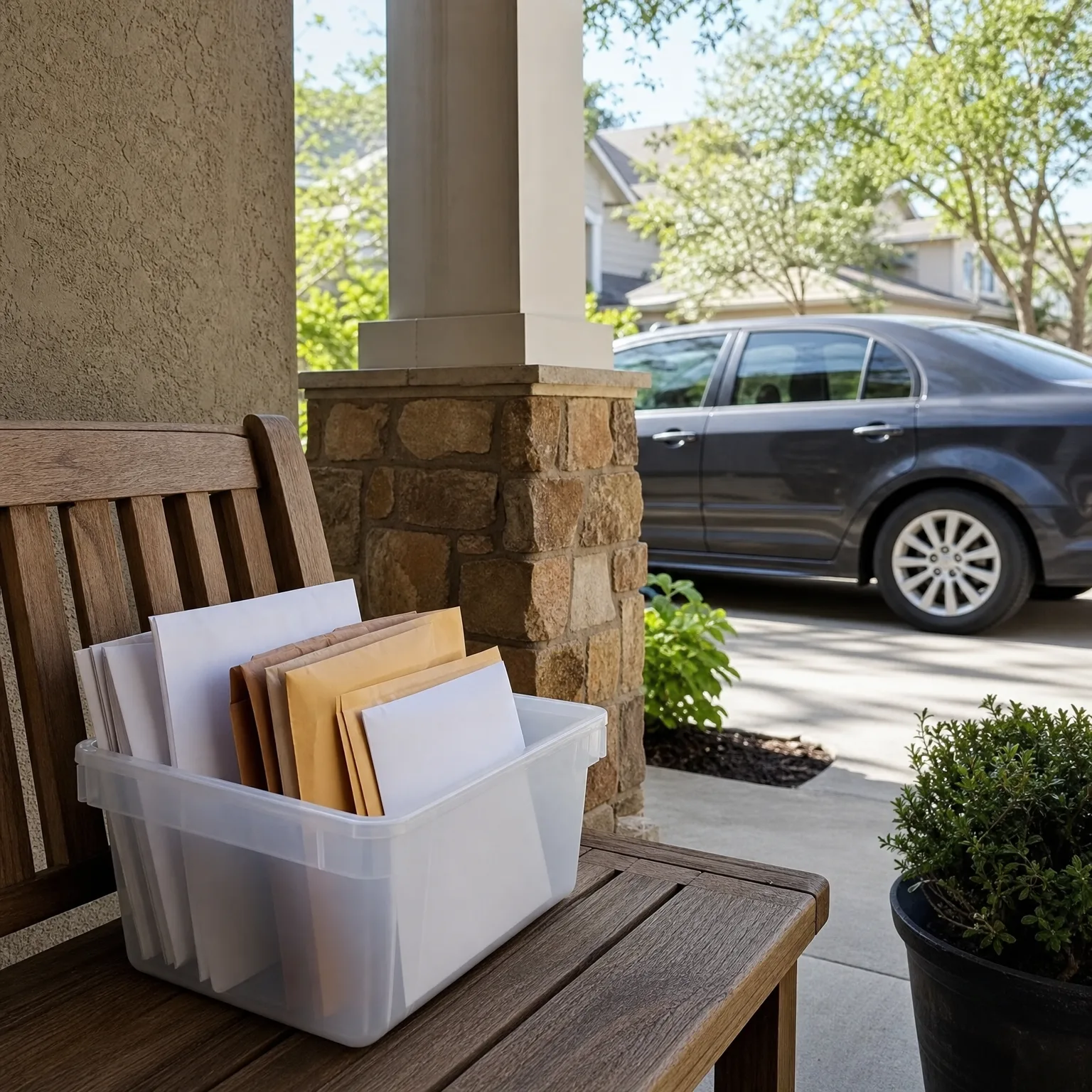
An adjuster's first number usually reflects the minimum the file supports on paper, not the full cost to you. If your documentation is thin, the offer will be too. Before you respond, gather everything that puts a number on your loss: itemized repair quotes, medical records and bills, receipts for anything you had to pay out of pocket, and proof of any income you lost.
If the claim involves injury, make sure you've finished treatment or have a clear sense of ongoing care before you settle. Once you accept an offer, the claim is closed and you can't come back later if a problem shows up afterward.
Check your own policy too. If you're claiming against your own insurer, uninsured motorist or medical payments coverage may apply, and the terms of that coverage affect what a fair number looks like.
If the other driver's insurer is lowballing you based on a disputed fault determination, ask them directly how they arrived at the percentage of fault they assigned you. That determination drives the number as much as the damage itself.

What people get wrong when they push back
A common mistake is countering with a number that isn't backed by anything. An adjuster will discount a counteroffer that just states a higher figure without new documentation behind it. Every dollar you ask for should trace back to a bill, an estimate, or a record.
Another mistake is assuming the first written counter is the last word. Settlement offers are usually negotiated back and forth, and insurers often leave room in their initial number expecting a counter. Don't treat a quick second offer as final either.
People also wait too long to respond or let the claim go quiet, which can work against them if there's a deadline in your state or policy for settling or filing suit. Ask the adjuster directly what time limits apply to your claim.
If the gap between your counter and their offer doesn't close after a round or two, that's the point to get an attorney or a public adjuster involved, particularly for an injury claim, rather than continuing to negotiate alone.
Questions people ask about this
How long do I have to respond to a settlement offer?
Any deadline depends on your state's statute of limitations and the terms of your policy, not on the insurer's preference. Ask the adjuster in writing what deadline applies to your specific claim. Don't let a claim sit unanswered for long, since insurers sometimes read silence as acceptance or disinterest.
Should I get my own estimate before responding?
Yes, a second repair estimate from a shop you trust gives you your own number to compare against the insurer's. Adjusters sometimes use estimates from shops they work with regularly, and those numbers can run lower. Having an independent estimate in hand strengthens any written counteroffer you send.
Can I negotiate a settlement without a lawyer?
You can, and many people do for smaller property damage claims. For claims involving injury or a large dispute over fault, a lawyer or public adjuster can be worth the cost because they know what comparable claims have settled for and how to document a counter.
What happens if I reject the offer entirely?
Rejecting an offer doesn't close your claim, it just means negotiation continues. You can send a written counter explaining why the offer is too low, request the adjuster's reasoning, or escalate to a supervisor or your state's insurance department if you believe the offer was made in bad faith.
Will disputing a settlement affect my insurance rate?
This depends on your insurer and the type of claim. Disputing an offer from the other driver's insurer on a claim where you weren't at fault typically has no bearing on your own policy. If the claim is against your own insurer, ask them directly how a dispute or payout might affect your renewal.
While you sort out this claim, it's worth seeing what your policy would cost with a different insurer.

Before you respond to the offer, pull together every document that supports your number: repair estimates, medical bills, receipts, and the police report if there is one. Write your counteroffer rather than calling it in, state the amount you believe is fair, and explain what it's based on. Ask the adjuster directly what deadline applies to your claim so you don't lose time without realizing it. If the gap between offers doesn't close after you've gone back and forth once or twice, ask your state's insurance department what options you have or talk to an attorney before accepting anything you're not sure about.