How Can I Get My Car Fixed if I Have No Money
If the damage is covered by insurance, you may only owe the deductible, and some shops will work out a payment plan for the rest.
Start by finding out what your insurance actually covers
If another driver caused the damage, their liability coverage should pay for your repair, and you won't owe anything out of pocket beyond your time. If you caused it, or the cause is unclear, check whether you carry collision coverage. That pays for your own car regardless of fault, minus your deductible.
If you don't have collision coverage, or the damage isn't something insurance covers at all, like a mechanical breakdown rather than a crash, the repair is between you and the shop. That's when it comes down to what the shop will let you do and what other help you can line up before you pay anything.
Whether the damage came from an accident changes everything
A repair from a collision is a different situation than a car that just stopped running. Collision damage may be covered by your own policy or another driver's, which means the real cost to you could be only your deductible. Call your insurer or agent before you do anything else and ask them to confirm what your policy covers for this specific damage.
If you're not sure whether to file a claim, ask your insurer how it would affect your rate before you decide. Some repairs are small enough that paying out of pocket costs less over time than a higher premium.
If the car broke down on its own, with no collision involved, your auto insurance almost certainly won't pay for it. That kind of repair falls outside what a standard policy covers, and you'd need to look at what the shop or a lender can offer instead.
Either way, get a written estimate before you agree to anything. It tells you what you're actually dealing with and gives you something to compare if you look for other options.

What the shop and your own budget can work out
Ask the shop directly if they offer a payment plan. Many will let you pay in installments, especially for a repair that's necessary to drive safely, and some work with outside financing companies that approve payments over several months.
Ask if there's a cheaper way to fix the specific problem. A used or reconditioned part can cost less than a new one, and a smaller independent shop may quote less than a dealership for the same job.
If the repair is urgent and you're waiting on money from an insurance claim, ask the shop whether they'll start the work before the claim settles. Some will, once they have a copy of the estimate and know a payout is coming.
If none of that gets you far enough, look at whether the repair can wait. A mechanic can usually tell you if a problem is dangerous to drive with or if it's safe to put off while you save up or find financing.
Questions people ask about this
Can I get a loan just to fix my car?
Yes, some lenders and credit unions offer loans specifically for car repairs, often with faster approval than a general personal loan. Ask your bank or credit union first, since they may offer better terms if you already have an account with them. Compare the total cost of the loan, not just the monthly payment, before you sign anything.
Will my insurance go up if I file a claim to fix my car?
It depends on your insurer, the type of claim, and your state's rules, so ask your agent directly before you file. Some insurers protect your rate after a first accident or a not-at-fault claim, but this varies by company and by state. Ask specifically how this claim would affect your renewal before you decide whether to file.
What happens if I can't afford to fix my car at all?
If the car isn't safe to drive, a mechanic can tell you what's required to make it safe versus what can wait. Driving with certain unrepaired damage can also affect what your insurance covers if something else goes wrong later, so ask your insurer about that too. If the repair cost is close to the car's value, ask the shop or an independent appraiser whether it's worth fixing at all.
Can I use a credit card to pay for car repairs?
Yes, most shops accept credit cards, and some offer their own card with a promotional interest period. Read the terms carefully, since the rate after the promotional period ends is often high. A shop payment plan or a credit union loan may end up costing less than a store credit card over time.
Does gap insurance or warranty coverage help with repairs?
A mechanical warranty, if your car still has one, may cover certain repairs that insurance never would, like a failed transmission or engine part. Gap insurance only applies if the car is totaled, so it won't help with a standard repair. Check your warranty paperwork or call the dealer to find out what's still covered and for how long.
See what a different policy would cost you if this changes how you think about your coverage.
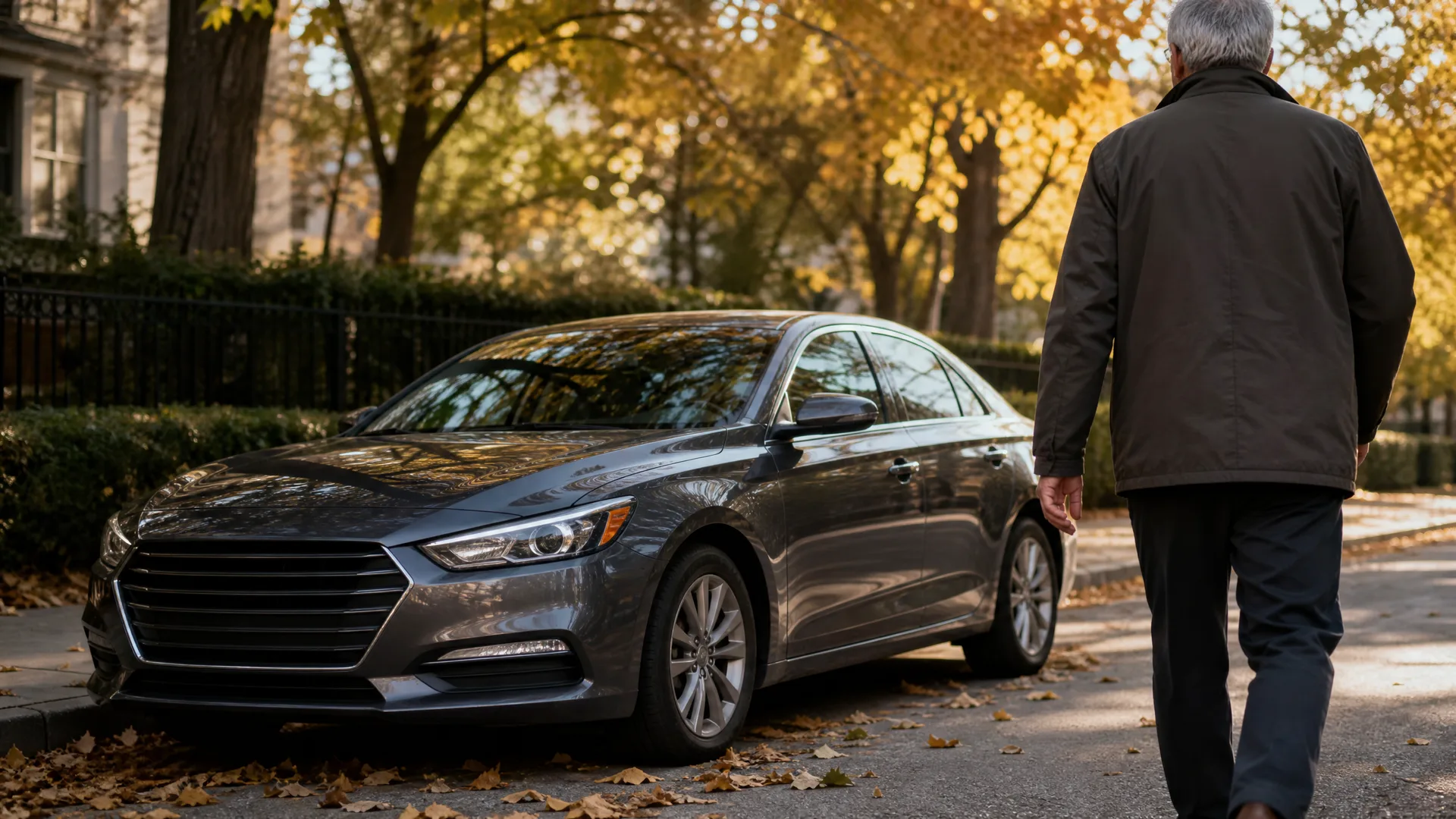
Get a written repair estimate before you do anything else. Call your insurer or agent and ask plainly whether this damage is covered and what you'd owe if you file. If insurance won't help, ask the shop about a payment plan and whether they can use a less expensive part. Check with your own bank or credit union about a repair loan before you consider a store credit card. If the car isn't safe to drive in the meantime, ask the mechanic directly rather than guessing.