Do You Pay Deductible Before or After a Car Is Fixed
You pay your share after the repair is done, when the shop bills your insurer and the two amounts get settled.
You pay after the work is finished, not before
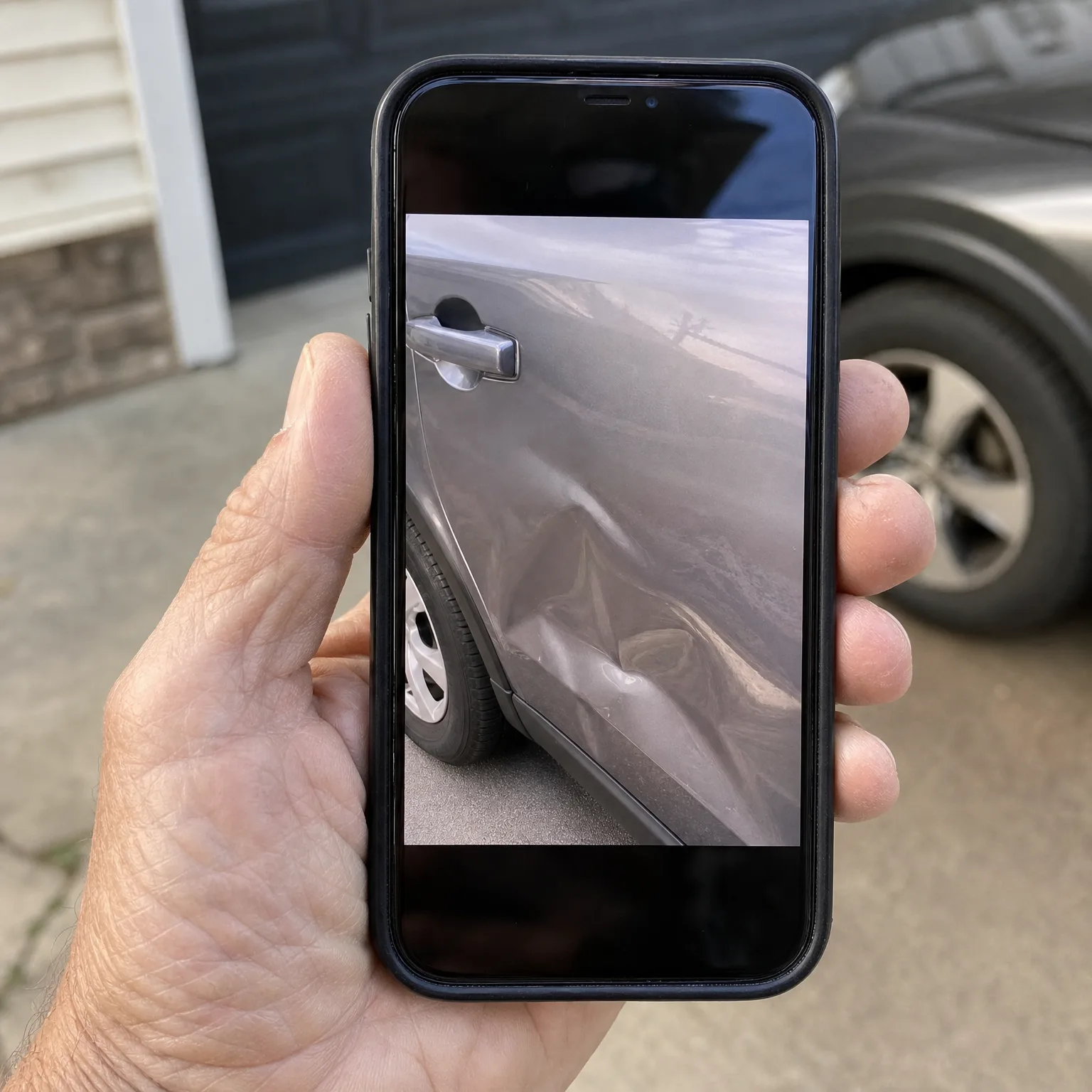
The deductible isn't something you hand over before a mechanic touches your car. The shop repairs the vehicle, then bills your insurance company for the full cost. Your insurer pays the shop its share, and the shop collects your deductible from you separately, usually when you pick up the car.
Some shops ask for it at drop-off if they know the repair will take a while, but that's the shop's own policy, not how the deductible itself works. The amount you owe depends on the deductible written into your policy, and that doesn't change based on when the shop asks for it.
Who's at fault changes whether you pay it at all
If the accident was your fault, or if you're using collision coverage to fix your car no matter who caused it, you'll owe your deductible to the shop once repairs are done.
If another driver caused the accident and their insurer accepts fault, you may not pay a deductible at all. Their insurer is supposed to cover the full repair cost. This can take time to sort out, and some people pay their own deductible up front through their collision coverage just to get the car fixed faster, then their insurer tries to recover that money from the other driver's insurer. If that recovery succeeds, your insurer refunds your deductible.
Ask your insurer directly whether they expect you to pay anything before fault is settled. This varies by insurer and by how clear-cut the accident was.
How the shop and insurer split the payment
Most repair shops that work regularly with insurance companies are used to this process and will bill your insurer directly for their portion, then invoice you only for the deductible.
A few shops, especially smaller ones, want the full amount from you up front and leave you to get reimbursed by your insurer afterward. Ask the shop how they handle insurance claims before you agree to the repair, so you know whether you're paying the deductible alone or fronting the whole bill.
Your insurer can tell you exactly what they're paying the shop and what portion is yours. If the numbers on the shop's invoice don't match what your insurer told you, call your insurer before you pay anything.
Questions people ask about this
Can I negotiate my deductible with the repair shop?
No, the deductible amount is fixed by your policy, not something the shop can adjust. The shop bills for the repair cost and your insurer applies your policy's deductible to figure out what you owe. If you want a lower deductible going forward, that's a conversation with your insurer about changing your coverage, not something you settle at the counter.
What happens if I can't afford my deductible?
Talk to the shop and your insurer before repairs start, not after. Some shops offer payment plans, and your insurer may be able to explain your options, but neither is required to wait for their money. If the repair can't move forward without your deductible paid, your car may sit at the shop until you can cover it.
Do I pay a deductible for a windshield replacement?
It depends on your policy. Many policies carry a separate, often lower deductible for glass or comprehensive claims, so windshield repairs can work differently than a collision repair. Check your policy or ask your insurer what deductible applies to glass claims specifically, since it may not match your collision deductible.
Will my deductible be refunded if the other driver was at fault?
It can be, if your insurer successfully recovers the cost from the at-fault driver's insurer. This process is called subrogation, and it happens after your claim is settled, not during repairs. Ask your insurer whether they expect to pursue this and roughly how long it tends to take, since it's not guaranteed and isn't instant.
Does the deductible change if the shop finds more damage once the car is apart?
No, your deductible stays the same regardless of what the final repair bill comes to. If the shop finds additional damage, that cost gets added to what your insurer is billed, and your insurer decides whether to cover it under the same claim. Your out-of-pocket deductible amount doesn't move because the repair turned out to be bigger than expected.
If you're thinking about how a deductible affects what you'd pay out of pocket, it's worth seeing how different policies handle it.
Pull up your policy and find the deductible listed for collision and for comprehensive or glass claims, since they're often different numbers. Before you authorize any repair, ask the shop directly how they handle insurance billing and when they'll expect your portion. If another driver was at fault, call your insurer and ask plainly whether you're expected to pay anything before fault is resolved. Keep a copy of the shop's invoice and compare it against what your insurer says they paid, and if anything doesn't match, call your insurer before you hand over any money.