Deductible on an Electric Car
The deductible on an electric car is simply the amount you pay out of your own pocket before your collision or comprehensive coverage pays the rest, same idea as on a gas car, but the numbers behind it often run higher because the car and its parts cost more.
How the deductible applies
Covers
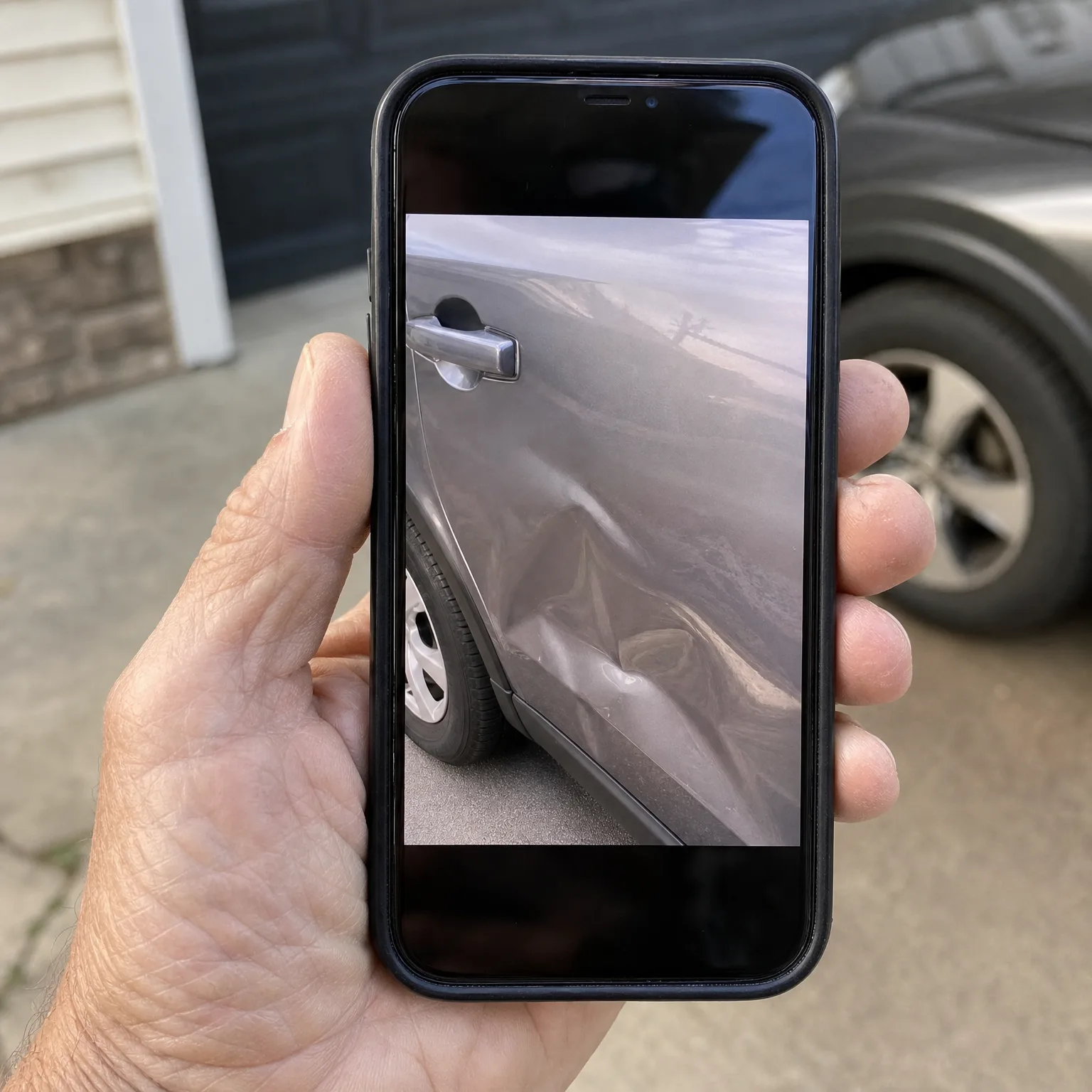
- Collision claims If you hit another car or a fixed object, you pay the deductible and your policy covers the remaining repair cost.
- Comprehensive claims Hail, fire, theft, or a falling tree all fall under comprehensive, and the same deductible logic applies there too.
- Battery and electronics damage Electric cars carry expensive battery packs and sensor systems, so the same deductible can leave a bigger gap for you to cover before the rest kicks in.
- Glass and sensor repairs Windshields on these cars often house cameras and sensors, and depending on your policy those repairs may or may not have a separate, lower deductible.
- One deductible per claim You pay it once per incident, not once per part that gets damaged.
- Separate deductibles for separate coverages Your collision deductible and comprehensive deductible can be set at different amounts, so it's worth checking both instead of assuming they match.
Doesn't cover
- Routine battery wear Normal loss of battery range over time isn't a claim at all, so the deductible never comes into play.
- Mechanical breakdown A failed battery, motor, or charging component without an accident or covered event is a mechanical issue, not something collision or comprehensive touches.
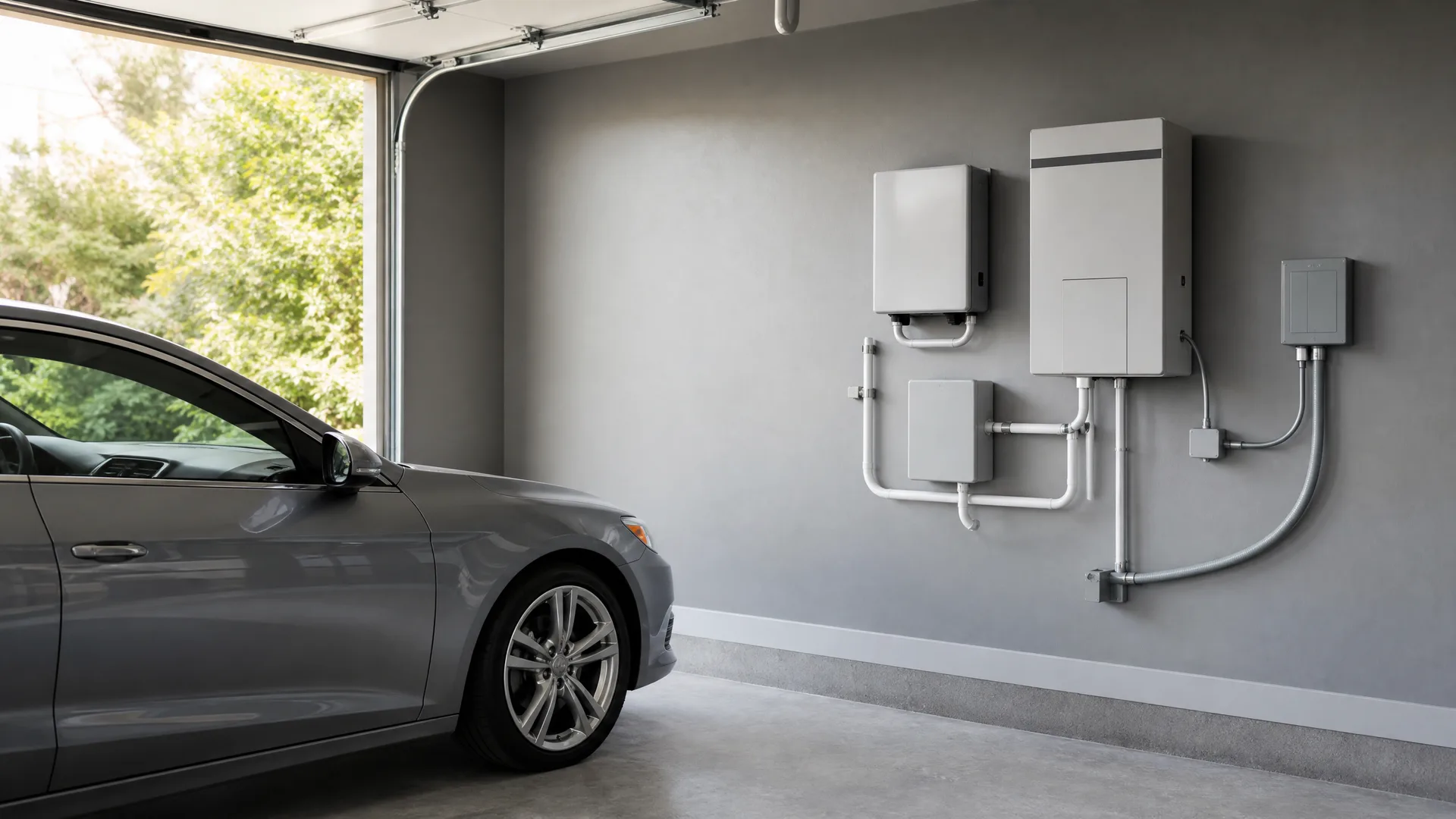
- Charging equipment at home Damage to a home charging unit usually falls under your home insurance, not your auto policy.
- Liability to others If you're at fault and someone else is hurt or their property is damaged, that's paid through your liability coverage, which has no deductible at all.
- Rental car while yours is repaired That's a separate add on with its own terms, and the collision or comprehensive deductible doesn't apply to it.
- Diminished value after repair Some owners expect compensation for a car being worth less after a repair, but that's not something the deductible or this coverage addresses.
For most older drivers with a newer electric car, keeping a moderate deductible with full coverage still makes sense
Start with what the car is worth and whether you still owe money on it. If it's financed or leased, the lender almost always requires collision and comprehensive coverage, so the real question becomes what deductible to choose, not whether to carry the coverage at all. If the car is paid off and worth relatively little, the math changes, since a high repair bill might approach or exceed the car's value, and a very low deductible stops making much of a difference.
Think about what you could comfortably pay from savings if something happened tomorrow. A higher deductible lowers what you pay for the policy, but only helps you if you'd never miss the money when you actually need it. For drivers living on a fixed income, that number matters more than it used to.
How much you drive and where the car spends its nights also shifts the picture. A car parked on the street in a neighborhood prone to break ins or hail carries different real world risk than one that sits in a garage and only comes out for errands. Lower mileage and safer parking are reasons some drivers choose a higher deductible, since the odds of ever paying it go down.
Battery and parts costs on electric cars tend to run higher than on a comparable gas car, which means a claim, when it happens, often costs more to repair. That alone is a reason to think carefully before pushing the deductible too high just to save a little month to month.
What actually happens when you file a claim
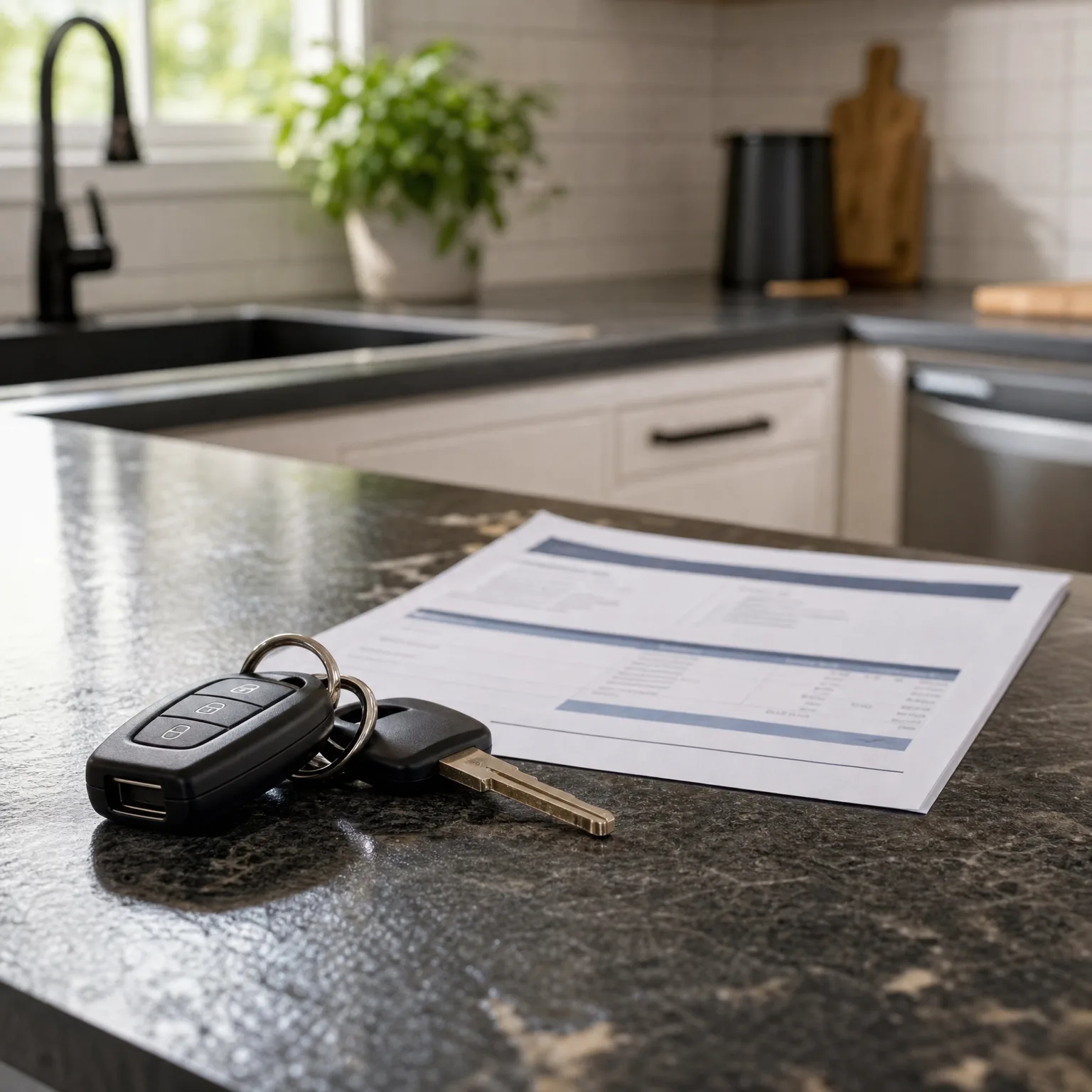
After an accident or a covered event like hail or theft, you report the claim and an adjuster or repair shop estimates the damage. Whatever the deductible is set at, that amount gets subtracted from the payout, and the insurer covers the rest up to your policy's limits. If the repair cost ends up lower than the deductible, you simply pay for it yourself and the claim may not be worth filing.
For electric cars, repair estimates often take longer because specialized parts, particularly battery components, may need to come from the manufacturer rather than a general supplier. Have your policy number, photos of the damage, and a description of what happened ready when you call, and ask directly whether the shop you're considering is approved to work on electric vehicles, since not all are.
If the car is declared a total loss, meaning repairs would cost more than the car is worth, the deductible is instead subtracted from the car's determined value, and you receive the difference. Where you take the car for repairs matters too, since some policies steer you toward a preferred shop and others let you choose, and that choice can affect how smoothly the claim goes.

Deductible versus gap coverage
Standard deductible
This is the fixed amount you pay before collision or comprehensive coverage pays the rest of a repair or loss. It applies to nearly every claim under those coverages, no matter the car's age or value.
Gap coverage
This pays the difference between what you owe on a loan or lease and what the car is actually worth if it's totaled, which matters more on newer cars that depreciate quickly. It only comes into play if the car is financed and is declared a total loss.
If your electric car is paid off, gap coverage won't apply to you at all, but if you're still financing or leasing, it's worth carrying alongside your regular deductible since electric cars can lose value quickly in the first few years.
Real situations
Hail damages the roof and hood of your car while it's parked in a church parking lot during a service.
This pays under your comprehensive coverage, and you'd owe your comprehensive deductible before the rest is covered.
A deer runs into the road at dusk on a county highway and you can't avoid hitting it.
This is treated as a comprehensive claim in most cases, so your comprehensive deductible applies, not your collision deductible.
Your car's battery loses noticeably more range than it used to after several years of regular use.
This doesn't pay, since gradual battery wear is considered normal aging, not a covered loss.
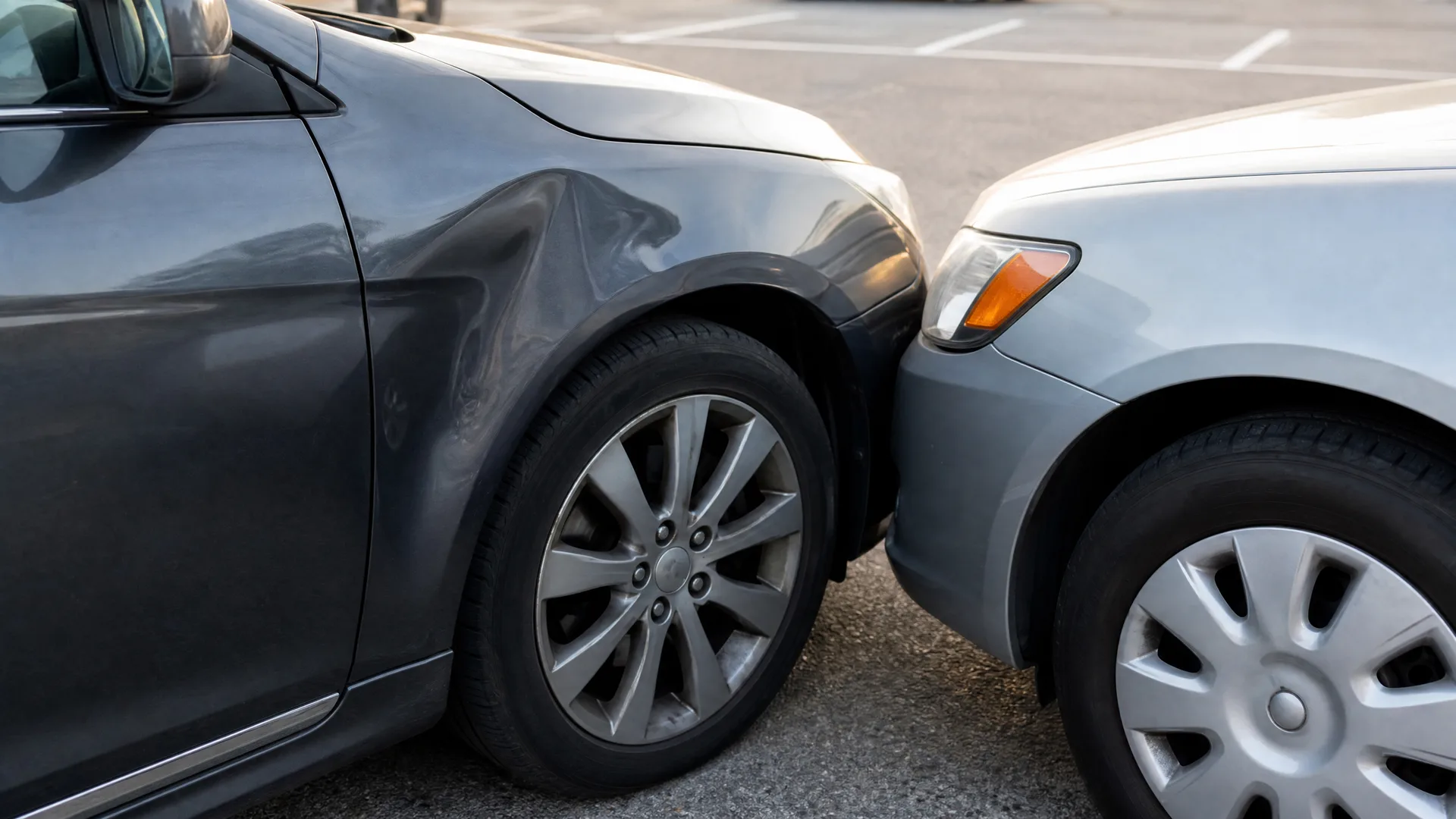
Once you know what deductible makes sense for your electric car, compare quotes with that number already decided so you're comparing real costs, not guessing.
Questions people ask about this
Can I choose a different deductible for collision and comprehensive on my electric car?
Yes, most policies let you set these independently. Many owners choose a lower comprehensive deductible since weather and theft claims can happen without any fault of their own, while keeping collision slightly higher. Check with your agent on how your two deductibles are currently set, since they're often not the same by default.
Does the deductible change if my electric car needs a battery replacement after an accident?
No, the deductible amount stays the same regardless of what part is damaged. What changes is the total repair cost, which for a battery replacement can be substantial, meaning your deductible covers a smaller share of the overall bill than it would on a less expensive repair.
Will my insurer total my electric car instead of replacing the battery?
It depends on the repair estimate compared to the car's value, and this varies by insurer and by state. If the battery replacement cost plus other repairs exceeds a certain share of the car's worth, a total loss becomes more likely, so ask your insurer directly what threshold they use.
Is a higher deductible a good idea on a car I only drive occasionally?
Often yes, since lower mileage generally means lower odds of a claim, which makes a higher deductible a reasonable trade for a lower premium. Still, weigh this against how exposed the car is when parked, since theft and weather claims don't depend on mileage at all.
Does where I live affect what deductible I should choose?
Yes, drivers in areas prone to hail, flooding, or higher theft rates often benefit from a lower comprehensive deductible, since those claims are more likely regardless of how carefully you drive. Whether certain coverages or minimums are required at all also varies by state, so check your own policy and local rules.