Deductible on a Leased Car
The deductible on a leased car is the amount you pay out of pocket before your collision or comprehensive coverage pays the rest, and on a lease it's set by requirements your leasing company attaches to the contract.
What this arrangement determines
Covers
- Your share of a claim The deductible is what you pay yourself before the insurance payment kicks in for repair or replacement.
- Minimum coverage you must carry Leasing companies usually require collision and comprehensive coverage with a deductible at or below a certain level, since they still own the car.
- How low you can push it You can often choose a lower deductible than the lease requires, which raises your premium but lowers what you'd owe after a claim.
- What happens at lease end If the car was damaged and repaired during the lease, the deductible you paid is final. It doesn't get reconciled or refunded when you turn the car in.
- Gap between value and payoff If the car is stolen or totaled, a separate coverage often tied to leases covers the difference between what you owe and what the car was worth, after your deductible applies.
Doesn't cover
- Normal wear and tear Scuffed wheels, worn tires or minor interior wear are handled through lease-end charges, not insurance, so the deductible never comes into play.
- Mechanical breakdowns A failed transmission or electrical problem isn't a covered loss under auto insurance at all. That's a warranty or repair matter.
- Your rental car while it's repaired A rental during repairs is paid through a separate coverage, if you carry it, not through the deductible on the damage claim itself.
- The full value of a totaled lease Your deductible applies first, then collision or comprehensive pays out, and if there's still a gap between that payment and what you owe the leasing company, a different coverage closes it.
- Damage you caused on purpose Intentional damage isn't a covered loss under any deductible structure, leased or owned.
You don't get much choice in whether to carry it, but you do get choice in how high it is
Because you don't own the car, the leasing company sets a floor on what coverage you must carry, and that usually includes a cap on how high your deductible can be. You can't drop collision or comprehensive the way you might on a car you own outright and could afford to replace yourself.
What you can control is choosing a deductible below that cap. A lower deductible means a smaller check you write after a claim, but a higher premium every month you're paying it. At this stage, the right choice often comes down to how much of a sudden expense you could absorb without it changing your month.
How much you drive and where the car sits overnight matters too. A car used mostly for short trips to appointments and groceries, parked in a garage, carries less real exposure than one driven daily on highways or left on the street. That doesn't change what the lease requires, but it can reasonably inform where within the allowed range you set your deductible.
If you're the kind of driver who keeps meticulous records and rarely files a claim, a deductible closer to the lease's maximum may save you money over the life of the lease. If an unexpected repair bill would be a real strain, lean lower, even though it costs more month to month.
How a claim actually runs on a leased car
When something happens, you report the claim the same way you would on any owned car. An adjuster assesses the damage, and if it's covered under collision or comprehensive, the insurer pays the repair shop or you directly, minus your deductible. You pay that portion out of pocket, usually to the shop at pickup.
One thing that's different with a lease is who the check may be made out to. Because the leasing company holds an interest in the vehicle, larger payments are sometimes issued jointly to you and the leasing company, which can mean an extra signature or a short delay compared to a car you own free and clear.
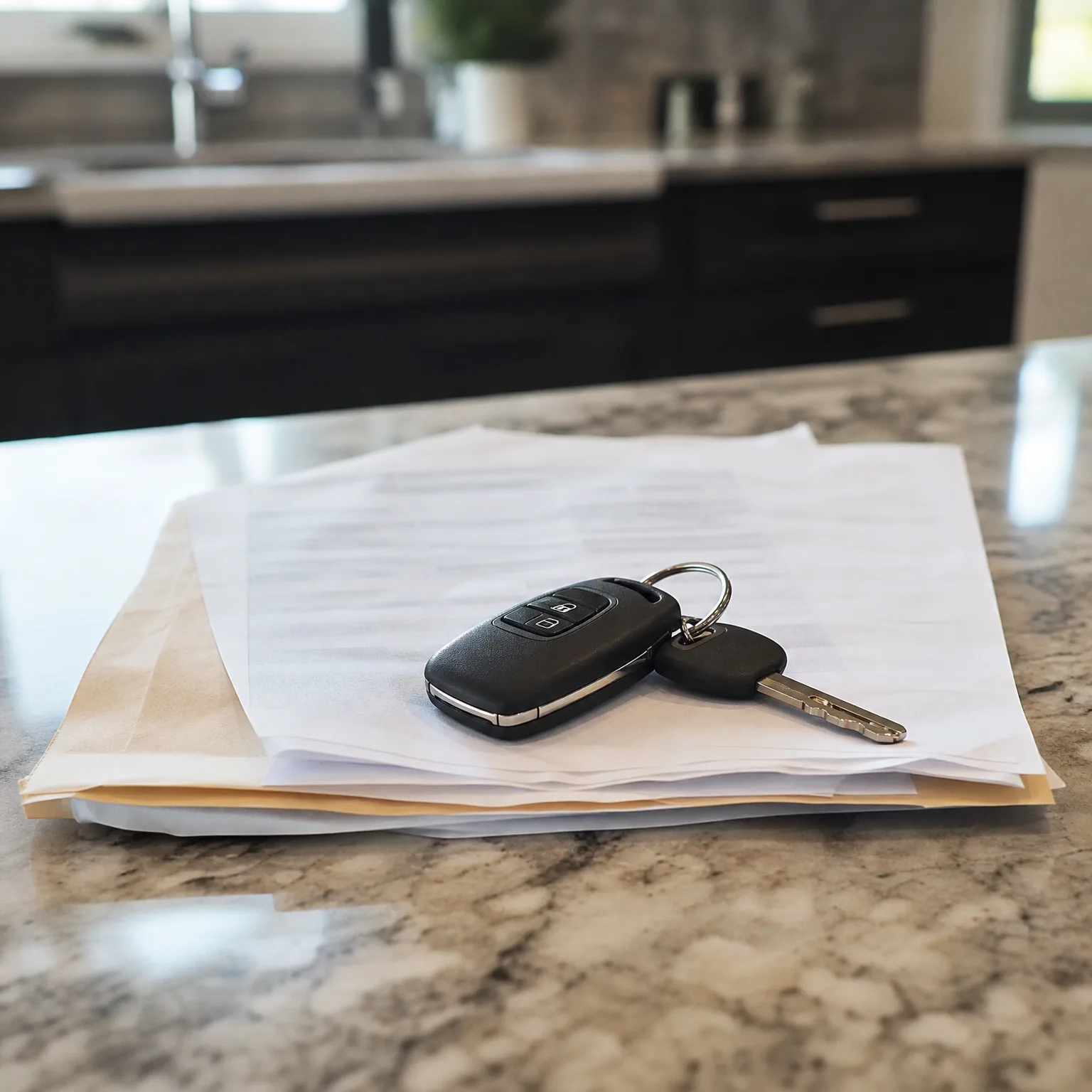
Have your lease agreement handy when you file, along with your policy number and photos of the damage if you can safely get them. The adjuster will want to confirm the coverage on file matches what the lease requires, so keeping a copy of that requirement with your insurance papers saves a step.
If the car is declared a total loss, the payout goes toward what you owe the leasing company first, not to you. Any gap coverage you carry applies at that point, after your deductible has already been subtracted from the insurance payment.

Deductible on a leased car vs. gap coverage
Deductible on a leased car
This is simply your share of the cost on a covered repair or total loss claim, set within limits the leasing company requires. It applies to every claim, not just a total loss.
Gap coverage
Gap coverage only comes into play if the car is stolen or totaled, and it covers the difference between the insurance payout and what you still owe on the lease. It doesn't reduce or replace your deductible.
If you lease, you'll likely need both, since one handles everyday claims and the other handles the shortfall if the car is a total loss.
Real situations
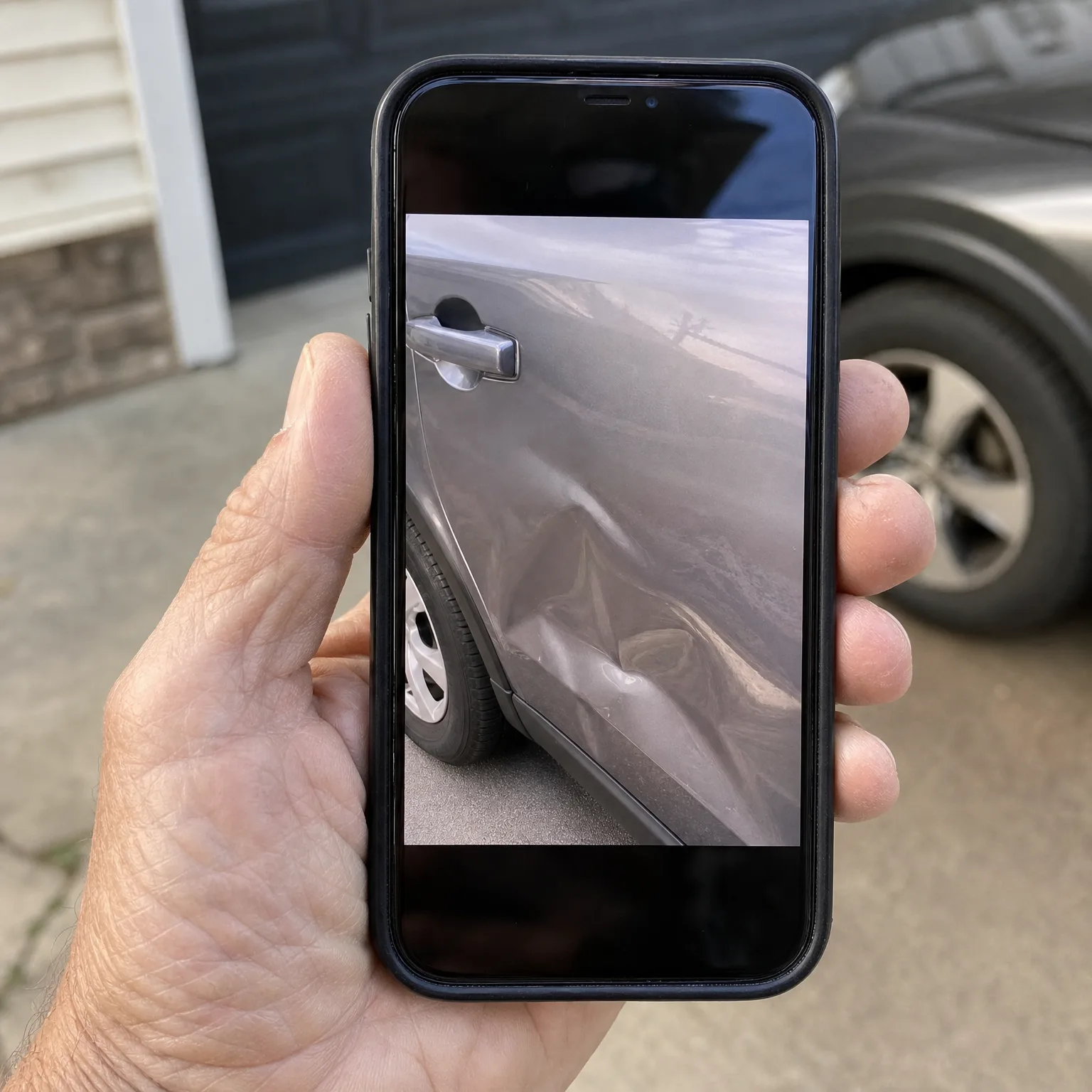
You're pulling into a parking space at a doctor's office and clip a concrete post, denting the rear quarter panel.
Covered under collision, and you'd pay your deductible before the insurance pays for the repair.
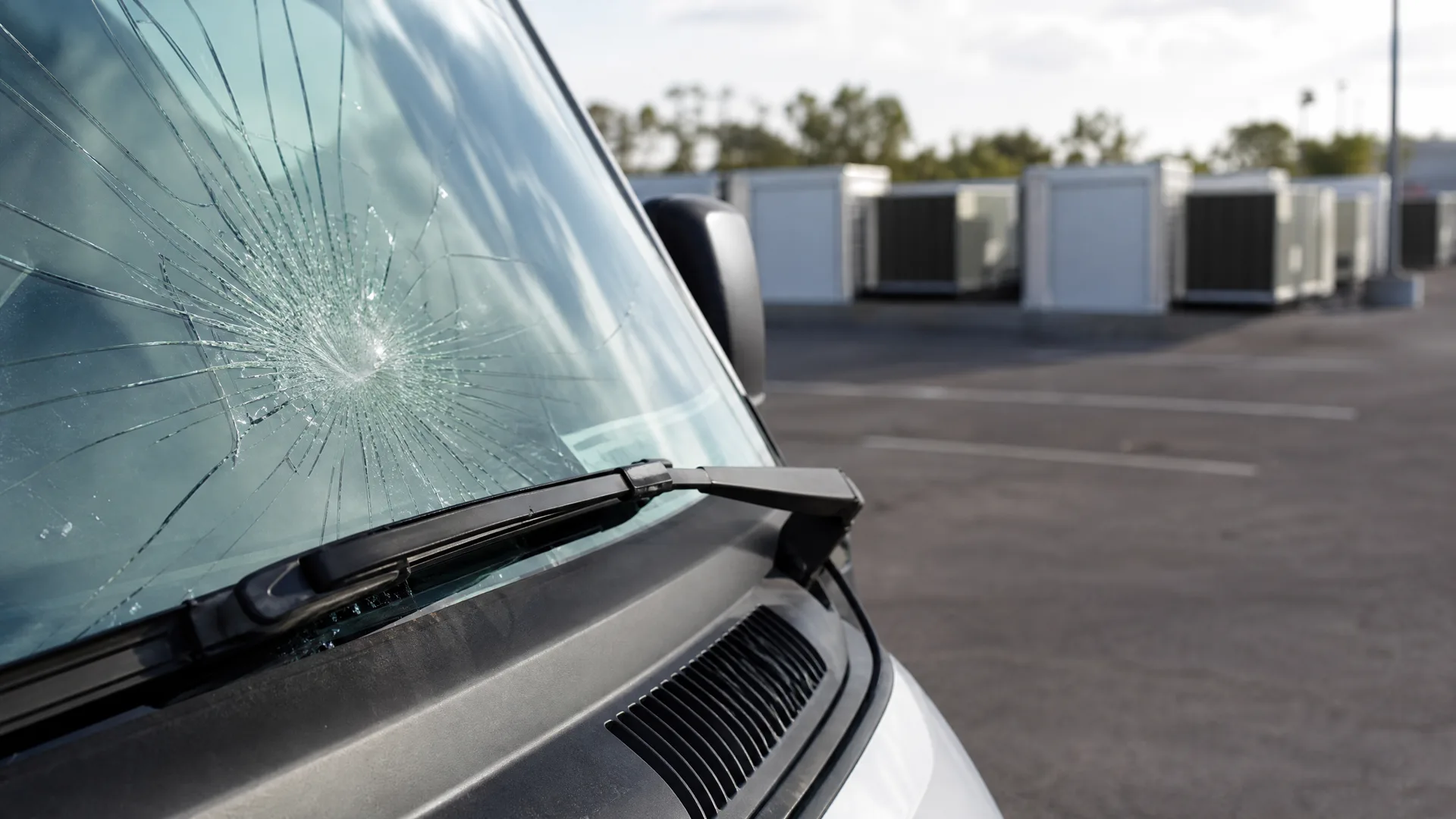
A hailstorm moves through while your leased car is parked at church and leaves dents across the hood and roof.
Covered under comprehensive, with your deductible applying the same way as any other comprehensive claim.
The transmission starts slipping and a mechanic says it needs a rebuild.
Not covered. Mechanical failure isn't an insurance claim, so the deductible never applies here.
Once you know what deductible your lease allows and what you're comfortable paying out of pocket, you're ready to compare quotes that match it.
Questions people ask about this
Can I change my deductible in the middle of a lease?
Yes, as long as the new deductible still meets what your leasing company requires. Call your insurer to make the change, then check that it still satisfies the lease terms, since going too high can put you out of compliance with the lease agreement.
Who do I pay the deductible to?
You pay it to the repair shop, usually when you pick up the car, since the insurer's payment to the shop already has the deductible subtracted. On a total loss, the deductible is subtracted from the payout rather than paid separately.
Does the leasing company know what my deductible is?
They can, since many require proof of insurance showing your deductible meets their cap. Some check at the start of the lease and periodically after, so letting your deductible drift above their limit can be flagged.
What happens if I total a leased car and don't have gap coverage?
You could owe the difference between what the insurer pays and what you still owe on the lease, out of your own pocket. This is exactly the shortfall gap coverage is built to cover, which is why leasing companies often require it.
Does my deductible reset each year on a lease?
No, a deductible applies per claim, not per year, whether the car is leased or owned. It stays the same for every covered claim during the policy period unless you actively change it.